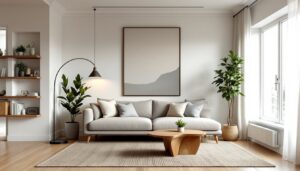
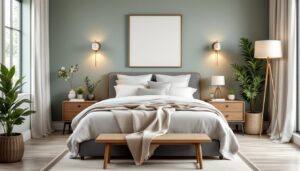
Your sitting room is where life happens, conversations stretch into evenings, you sink into comfort after long days, and guests form first impressions of your home. Whether you’re working with a formal parlor, a casual family room, or a small nook, thoughtful sitting room decor ideas can transform the space into somewhere genuinely inviting and functional. The difference between a cluttered room and a curated one often comes down to intentional choices: a cohesive color story, the right furniture arrangement, and layers of light and texture that invite you in. This guide walks through seven practical decor strategies that work whether you’re tackling a full renovation or making incremental upgrades. You’ll learn how to blend style with comfort, avoid common missteps, and create a room that actually works for how you live.
Table of Contents
ToggleKey Takeaways
- A cohesive color palette built on the 60-30-10 rule (dominant, secondary, and accent colors) creates visual harmony and makes sitting room decor ideas feel intentional and restful.
- Invest in well-made, multi-functional furniture with solid construction and hardwood frames, as quality pieces eliminate the need for frequent replacements and adapt to changing lifestyle needs.
- Layer lighting with three types—ambient, task, and accent—and use warm-toned bulbs (2700K–3000K) to transform a sitting room’s mood from institutional to inviting.
- Add texture through rugs, throws, pillows, and curtains using natural fibers and varying scales to create warmth and visual interest that makes spaces feel comfortable and lived-in.
- Strategic placement of art, mirrors, and accessories at eye level and in odd-numbered groupings prevents visual clutter while displaying collections that tie back to your color scheme.
- Incorporate plants and natural elements like wood, stone, and greenery to soften hard edges, purify air, and create a balanced space that feels both curated and authentically lived-in.
Choose a Cohesive Color Palette
Color is the backbone of any room. A cohesive palette, not a chaotic rainbow, makes a space feel intentional and restful. Start by picking one dominant color for walls (typically 60% of the visual space), then choose a secondary color (30%), and limit accents to one or two supporting colors (10%). Neutrals like warm grays, soft taupe, or off-white work as grounding bases, but don’t shy away from deeper tones like navy, sage green, or warm terracotta if they suit your style. Test paint samples on your walls in different light conditions, morning, afternoon, and evening. What looks sophisticated in the store can read too dark or too washed out once on a wall. Interior ideas for living rooms often hinge on restraint: choosing fewer colors and repeating them across textiles, artwork, and accessories creates visual harmony. If you’re nervous about committing to a bold wall color, paint one accent wall or use removable wallpaper. Lighter colors make small sitting rooms feel larger: deeper tones create intimacy in generous spaces. Once your base is set, every other choice, furniture, art, textiles, becomes simpler because you’re working within a framework instead of guessing.
Invest in Multi-Functional Furniture
Sitting rooms often pull double duty: relaxation, socializing, sometimes work or hobbies. Choose furniture that earns its space. A low media console holds electronics and books while keeping sightlines open. An ottoman with hidden storage tucks blankets and remotes away: a coffee table with a lower shelf becomes a styling opportunity and functional surface. Look for pieces with solid construction, check that frames are hardwood (not particleboard), joints are mortise-and-tenon or corner-blocked, and legs are properly secured. Upholstered pieces should have eight-way hand-tied springs or high-density foam for comfort that lasts beyond two seasons. Modular seating arrangements adapt as your life changes. A sectional can float in the center of a large room or anchor a corner: individual chairs move to accommodate a crowd or return to a quiet configuration. When selecting seating, measure your doorways and hallways before buying, many living room sofas won’t fit up a staircase. The investment in well-made furniture pays dividends because you’re not replacing pieces annually. Budget decor projects often succeed when foundational pieces are solid and accessories (pillows, throws, artwork) handle the trendier aesthetics.
Layer Your Lighting for Ambiance and Function
Overhead lights alone create institutional flatness. Successful sitting rooms use three lighting layers: ambient (overhead or recessed), task (reading lamps, sconces), and accent (floor lamps, table lamps that add warmth). Ambient lighting should be dimmable, install a dimmer switch on ceiling fixtures so you can shift the mood from bright and alert to soft and relaxed. Task lighting places light where you need it: beside a reading chair, flanking a mirror, or above side tables. Sconces at shoulder height prevent harsh shadows on faces during conversations. Accent lighting, uplighting behind plants, warm LED strips under shelving, or a decorative floor lamp, adds depth and draws the eye to architectural features or artwork. Avoid cool-toned (blue) bulbs in sitting rooms: warm white (2700K–3000K) is more inviting and flatters skin tones. LED bulbs use far less energy than incandescent and last years longer, so the upfront cost pays back quickly. Position lamps so cords aren’t trip hazards and plugs aren’t visible from seating areas: use cord covers or hide wires behind furniture if needed. Lighting transforms a room more dramatically than paint or furniture, test a few new fixtures before committing to a full overhaul.
Add Texture and Warmth With Rugs and Textiles
A room with only smooth surfaces feels cold and unfinished. Layer texture through rugs, throws, pillows, and curtains to create warmth and visual interest. A quality area rug anchors seating and defines the space, size it so all front legs of major furniture sit on it, or the room will feel fragmented. Natural fibers like jute, sisal, wool, and cotton are durable and age beautifully: synthetic blends offer stain resistance if you have pets or kids. Throws draped over chair arms or sofa backs invite curling up: rotate them seasonally to refresh the look without expense. Pillows in varying scales and textures, linen, velvet, wool, create a layered, curated appearance. Avoid matching sets of identical pillows: instead, choose a color palette and let shapes and textures vary. Curtains frame windows and can muffle sound: floor-to-ceiling panels make ceilings feel taller. Linen filters light softly: velvet absorbs it and adds luxury: cotton is practical and affordable. Ideas for bedroom decor often translate to sitting rooms: a textured accent wall, a gallery of mismatched frames, or a collection of woven baskets all add dimension. The tactile quality of these layers, how things feel to touch, is part of what makes a room comfortable, not just pretty. Rotate or update textiles seasonally to keep the space feeling fresh without major investment.
Display Art and Accessories Strategically
Empty walls waste prime real estate. Strategic art and accessory placement tells your story and fills visual gaps. A gallery wall needn’t match, vary frame styles, sizes, and artwork (photos, prints, illustrations) to create personality. Hang art at eye level (typically 57–60 inches from floor to center of frame) so viewers relate to it naturally. Group smaller pieces in clusters rather than scattering them: odd numbers (three, five, seven) feel intentional rather than accidental. Styled shelves hold books, ceramics, plants, and sculptural objects in a ratio that’s roughly one-third books, one-third decorative items, and one-third breathing room. Addicted 2 Decorating shows how strategic arrangement transforms a room from feeling busy to curated. Mirrors reflect light, expand perceived space, and add visual interest, lean them against walls or hang them above mantels. Collections (vintage finds, art prints, travel souvenirs) should be cohesive in color or theme: randomly grouped items muddy a room. Accessories in your chosen color palette tie back to your overall scheme. Limit knickknacks: each object should earn its place either functionally or visually. Styling takes practice, so don’t overthink it, curate, live with it for a week, then adjust. The goal is a room that feels lived-in and personal, not staged.
Incorporate Plants and Natural Elements
Living plants breathe life into a sitting room, literally and figuratively. They purify air, soften hard edges, and add color and texture beyond paint and fabric. Large-leafed plants (fiddle leaf fig, monstera, rubber plant) make bold statements in corners or beside furniture: smaller specimens clustered on shelves or tables add greenery at different heights. Trailing plants on high shelves or hanging planters soften wall lines. Choose plants suited to your lighting: ferns and pothos thrive in low light: succulents and snake plants handle neglect: fiddler figs need bright, indirect sun. If you lack a green thumb, start with hardy varieties and build confidence. Repot plants into containers that match your color palette, ceramic, concrete, or woven pots in neutral tones integrate better than mismatched plastic nursery pots. MyDomaine regularly features how natural elements anchor interior design, making spaces feel grounded and intentional. Wood accents, exposed beams, wooden shelving, a natural-wood coffee table, warm up a room and connect it to the outdoors. Stone, leather, and raw linen all feel tactile and organic. Sunlight is a natural element too: don’t block it entirely with heavy curtains. Sheer layers let light diffuse while maintaining privacy. A window seat with cushions becomes a focal point that invites lingering. These natural elements counterbalance the intentionality of your color palette and decor, creating a balance between curated and lived-in.
Conclusion
A well-designed sitting room doesn’t happen by accident, it’s built on intention, balance, and honest evaluation of how you actually use the space. Start with your color palette, anchor the room with quality furniture and layered lighting, then refine with texture, art, and natural elements. These seven strategies are a framework, not a formula: apply them in whatever order makes sense for your space and budget. Small changes compound, a new rug, repositioned lamp, and gallery wall might be all you need to transform the room. The most beautiful sitting rooms are those that reflect how people actually live and relax, not magazine spreads that discourage touching anything.