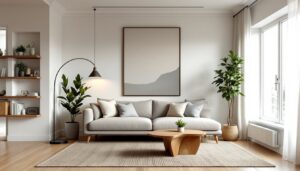
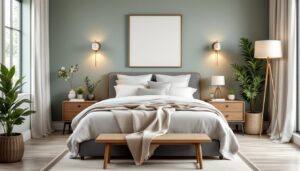
Your lounge is where life happens, where you unwind after a long day, host friends, and spend quiet moments. That’s why getting lounge decor ideas right matters. The good news? You don’t need a designer’s budget or months of renovation to create a space that feels both inviting and intentional. Whether you’re working with a sprawling living area or a cozy corner, the strategies in this guide will help you layer in color, light, and personality without overwhelming the space. Let’s walk through seven actionable decor approaches that’ll transform your lounge into a retreat you actually want to spend time in.
Table of Contents
ToggleKey Takeaways
- A strong lounge decor strategy starts with 2–4 main colors repeated across walls, textiles, and accessories to create visual cohesion without feeling rigid.
- Layer three types of lighting—ambient, task, and accent—with dimmer switches and warm-temperature bulbs (2700–3000K) to instantly shift from functional daytime to relaxing evening ambiance.
- Choose functional furniture that defines zones and creates intimate conversation areas; floating pieces away from walls makes the lounge feel intentional while prioritizing comfort over style alone.
- Transform bare lounge decor with textiles by repeating three key textures (linen, wool, cotton) and layering complementary patterns to add depth without chaos.
- Create focal points with accent walls, gallery walls, or large-scale artwork, and balance any TV with surrounding shelving or cabinetry so electronics blend rather than dominate.
- Personalize your space with plants, vintage finds, and carefully curated accessories that reflect your interests—live-in charm and approachable decor beat sterile perfection every time.
Create the Perfect Color Palette
The foundation of any strong lounge starts with a color strategy. Instead of picking random hues, commit to 2–4 main colors and repeat them throughout the room, on walls, textiles, and decor. This creates visual cohesion without feeling rigid.
Neutrals like soft whites, warm beiges, and muted grays work as an excellent base because they’re forgiving and won’t feel dated quickly. Layer in one accent color, think deep blue, forest green, warm terracotta, or dusty rose, to add energy and personality. If you’re worried about bold walls, try a neutral base with accent color on textiles and accessories instead.
Don’t shy away from darker tones on lounging room walls, either. Deeper shades can make a space feel more intimate and cozy, especially during evening hours when you’re most likely to be there. Soft pinks and muted warm grays support a calming atmosphere that encourages relaxation. Consistent color between your lounge and adjoining spaces will also make the overall area feel larger and more cohesive.
Layer Your Lighting for Ambiance
Good lighting can make or break a lounge. Aim for three types: ambient (your main ceiling light or chandelier), task (reading lamps or desk lights if you have a work zone), and accent (wall sconces, picture lights, or accent lanterns). This layering gives you flexibility to adjust the mood throughout the day and evening.
Floor lamps are workhorses in lounges, especially for filling dark corners or areas where overhead light falls short. Pendant lights or hanging lanterns add vertical interest without eating up table or floor space. The real magic happens when you install dimmer switches and use warm-temperature bulbs (around 2700–3000K color temperature). This combination lets you shift from bright, functional daytime lighting to soft, relaxing evening ambiance instantly.
Wall sconces flanking a mirror or artwork also double as both lighting and decor. If you’re renting or can’t install permanent fixtures, don’t worry: table lamps with upward-facing shades bounce light off the ceiling to create a softer, more diffused glow than direct downlighting.
Choose Functional and Stylish Furniture
Furniture is where form meets function in lounge decor. Opt for larger-scale or modular pieces that anchor the space and create “zones”, a seating area for conversation here, a reading nook there, maybe a small work corner. This zoning approach works especially well in open-plan lounges where you need to define separate activities.
Try floating furniture away from walls instead of pushing everything against the perimeter. This unconventional layout creates a more intimate conversation area and makes the lounge feel intentional rather than default. Look for pieces with built-in storage too: ottomans with hidden compartments, media consoles with shelving, or baskets under side tables all help you stash clutter while keeping decor visible.
When shopping, prioritize comfort, a sofa you actually sink into beats a Pinterest-perfect but rock-hard designer piece every time. Scale matters as well: a delicate loveseat will look lost in a large lounge, while an oversized sectional can dominate a smaller room. Measure your space first, sketch out your layout, and consider traffic flow before buying anything.
Add Texture and Pattern With Textiles
Textiles transform a bare lounge into a layered, welcoming space. Start by repeating three key textures across cushions, throws, and rugs, perhaps smooth linen, nubby wool, and soft cotton. This creates visual depth and makes the space feel more designed without requiring you to match everything.
Use a quality area rug to anchor your seating arrangement: it defines the lounge as a distinct zone and adds softness underfoot. Layer cushions and throws in complementary patterns within your color palette, stripes, geometrics, florals, but make sure each pattern shares at least one color with the others. This keeps things from looking chaotic. A solid throw draped over a chair or sofa edge adds casual elegance and serves as both decor and a cozy grab-it moment.
For living area decor ideas, textiles are your secret weapon because they’re budget-friendly and easy to swap seasonally. Lightweight linen works well in warmer months, while heavier wool throws feel right in winter. Changing out cushion covers or rotating a throw takes minutes but completely refreshes how your lounge feels.
Incorporate Wall Décor and Focal Points
A blank wall in a lounge feels like a missed opportunity. Create a focal point by painting an accent wall in a deeper color or introducing wallpaper, wallpaper can add pattern and texture in a way paint can’t. If paint alone feels too bold, consider a wall treatment on just one wall behind your main seating area.
Gallery walls are another strong option. Mix frame sizes and hang artwork, prints, and personal photos at eye level to create visual interest. Alternatively, a single large-scale piece of art serves as a dramatic anchor. Tall mirrors amplify light and space, and shallow picture ledges let you rotate artwork and small decor without committing to permanent hanging.
If your lounge has a TV, don’t let it dominate visually. Mount the screen within a larger composition of shelving, art, or built-in cabinetry so the electronics blend rather than shout. Contemporary living room design ideas show how balancing tech with traditional decor keeps a lounge feeling curated and intentional.
Bring Nature Indoors With Plants and Greenery
Living plants add life (literally) to a lounge and improve air quality as a bonus. Tall plants or faux trees work well in corners and awkward wall spaces, they fill empty areas without taking up floor or table real estate. If you’re not confident with plant care, high-quality faux options are convincing and zero-maintenance.
Vary the height and scale by using plant stands, pedestals, or grouping smaller plants together at different levels. This creates visual interest and makes the arrangement feel intentional. Botanical elements like fresh flowers in a tall vase, a floral feature wall, or botanical prints add a softer, more organic feel, especially useful if your living room theme ideas lean modern or minimalist and need a touch of warmth.
Even one or two trailing plants on a shelf or hanging planter brings movement and life to the vertical space. Don’t feel pressured to turn your lounge into a greenhouse: a few well-placed greenery touches are more impactful than a cluttered jungle. Research low-light tolerant plants like pothos or snake plants if your lounge doesn’t get much natural sunlight.
Personalize Your Space With Accessories and Displays
Accessories are where your lounge becomes uniquely yours. Use vintage finds, woven baskets, stacked books, and collections as conversation pieces, these items tell the story of who you are. A vintage ladder leaning against a wall, a collection of small sculptures on a console, or framed travel photos all add character that a generic lounge can’t achieve.
Display personal items on consoles, open shelving, or wall hooks. Arrange books by color or let them stack casually: showcase hobby items like vinyl records or art supplies: hang a collection of small framed photos or postcards. Living decor ideas thrive when they reflect your interests, so don’t be afraid to mix high and low, vintage and new, functional and purely decorative.
Seasonal rotation keeps your lounge feeling fresh without requiring a full redesign. Swap out throw pillows, rotate artwork, or display different collections as the seasons change. According to inspiration galleries from designer living rooms, the most inviting lounges balance beautiful decor with approachable, lived-in charm. That means a few coffee table books, a pair of throw blankets, and personal touches beat a perfectly styled but sterile space every time. Your lounge should welcome you to sit down, relax, and enjoy it, not just admire it from the doorway.