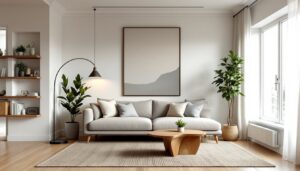
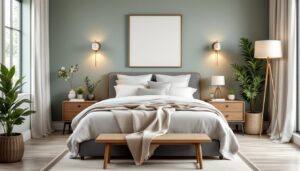
Your lounge is where life happens, where you unwind after work, curl up with a book, or gather with friends. Yet many homeowners treat their lounge as an afterthought, defaulting to whatever furniture fits the space. The good news: lounge decorating ideas don’t require a professional designer or a major budget overhaul. With thoughtful choices about color, lighting, texture, and focal points, you can transform a bland lounge into a sanctuary that feels distinctly yours. Whether you’re working with a modest city apartment or a sprawling family room, the principles remain the same: comfort, intentionality, and a cohesive vision. This guide walks you through seven practical decorating strategies that work across any style, from modern minimalist to cozy traditional.
Table of Contents
ToggleKey Takeaways
- A cohesive color palette of three to four colors—anchored by a neutral dominant tone and complemented by two to three accent colors—creates visual flow and makes lounge decorating ideas more intentional and easier to execute.
- Invest in quality furniture with hardwood frames and high-density foam cushions that prioritize comfort and durability over quantity, as a well-chosen sofa and supporting pieces outperform a room stuffed with mediocre furniture.
- Layer your lighting into three types—ambient, task, and accent—using warm white bulbs (2700K) and dimmers to transform a harsh-lit lounge into an inviting retreat suitable for both gatherings and quiet evenings.
- Add texture through rugs, throws, cushions, and woven accessories to prevent coldness; layering different scales of soft furnishings creates richness and that essential ‘lived-in’ comfort.
- Create a focal point with wall decor, gallery walls, or statement artwork proportional to your space, then build visual interest by mixing two-dimensional art with three-dimensional objects while maintaining negative space.
- Incorporate living plants and natural elements like wood, stone, and woven baskets to add color, oxygen, and a grounding psychological sense of calm that transforms an ordinary lounge into a personal sanctuary.
Choose a Cohesive Color Palette
Color sets the mood before anyone sits down. A well-chosen palette creates visual flow and makes the space feel intentional rather than cobbled together. Start by selecting a dominant neutral, think warm whites, soft grays, or subtle taupes. This becomes your anchor, covering walls or large furniture pieces. Then add two to three accent colors that complement each other: perhaps a muted sage with warm terracotta, or navy with cream and brass.
Don’t overthink it. Pull inspiration from objects you love, a fabric, a piece of art, or even a photograph. Many people find living rooms ideas and bedroom interior ideas worth referencing because they demonstrate how colors interact over larger spaces. The key is limiting yourself to three or four total colors: more becomes visual chaos. Test paint samples on your walls and observe them in different lighting throughout the day. Morning light reads differently than evening lamp glow. Once your palette is locked, fabric, artwork, and accessories become much easier to select because they have a clear direction.
Invest in Comfortable, Quality Furniture
A lounge lives or dies by its furniture. You’ll spend hundreds of hours on that sofa, so don’t compromise on comfort or construction. Look for hardwood frames (avoid plywood or particle board), eight-way hand-tied springs, and high-density foam cushions, these hold up for years, not months. Leather and performance fabrics resist staining and aging gracefully: traditional fabrics require more care but offer unmatched texture and warmth.
Scale matters enormously. A sofa sized for a boutique hotel lobby will dwarf a modest lounge: cramped seating turns people away. Measure your space first, then select pieces that leave breathing room for movement. A quality sofa plus one accent chair or ottoman, paired with a solid side table, beats a room stuffed with mediocre pieces. Mixing furniture styles works, pairing a mid-century sofa with vintage side tables or modern shelving, but they should share a common color or finish to feel intentional, not accidental. Real-world lounge decorating ideas often show how statement pieces anchor a room while supporting pieces remain quietly functional.
Layer Lighting for Warmth and Ambiance
Overhead ceiling lights alone make any lounge feel harsh and institutional. Proper lighting requires three layers: ambient (overall room illumination), task (reading or detailed work), and accent (mood and visual interest). Ambient light might come from a dimmer-controlled ceiling fixture or recessed lights: task lighting from a floor lamp beside your reading chair or table lamps on side tables: accent lighting from wall sconces, candles, or uplighting behind furniture.
Color temperature matters. Warm white bulbs (2700K) feel cozy and inviting: cool white (4000K) works in kitchens and offices. For a lounge, stick with warm. LED bulbs now match incandescent warmth and last decades, making them worth the upfront cost. Position lamps at different heights, floor lamps in corners, table lamps at seating level, wall-mounted fixtures at eye level, so light wraps around the room rather than pooling in one spot. Dimmers on every circuit let you adjust mood: bright for gatherings, soft for quiet evenings. Interior design tips and home styling guides often emphasize how layered lighting transforms a space from sterile to inviting.
Add Texture With Rugs, Throws, and Cushions
Texture is the secret weapon of interior design. A room with only smooth surfaces, hard tile, glossy paint, sleek wood, feels cold and unwelcoming. Introduce texture through soft furnishings: area rugs, wool throws, linen cushions, and woven baskets. These pieces soften sound, add visual interest, and create that “lived-in” comfort.
Start with a quality area rug. It anchors furniture groupings, defines the lounge zone, and adds warmth underfoot. Natural fiber rugs (jute, sisal, or wool) work in almost any style: layering a smaller patterned rug over a neutral base adds depth without overwhelming the space. Throws draped over sofas and chairs invite touch and use, they’re not decoration, they’re functional comfort. Cushions in varying textures (velvet, linen, cotton) and patterns add personality without commitment (easy to swap out seasonally). The trick is varying scale: one large textured element (shaggy throw), medium pieces (rug, cushions), and small accents (woven baskets, macramé wall hanging). Mixing living room accessories ideas like these creates richness and prevents a sterile, staged look.
Incorporate Wall Decor and Focal Points
Bare walls make a lounge feel unfinished. Choose a focal point, a fireplace, a statement wall, or a media console, and build the room’s visual weight around it. If you lack architectural features, create one: a gallery wall of framed prints, oversized artwork, or a floating shelf with curated objects.
Gallery walls work best with consistent framing (same color, similar depth) and a loose grid layout: this feels curated rather than random. Artwork should be proportional to wall space, a small print on a large wall looks lost: oversized art makes smaller rooms feel bigger. Mix two-dimensional art with three-dimensional objects: shadow boxes, woven wall hangings, or mounted shelves holding plants and books. Avoid covering every inch: negative space is essential. Designer living rooms often showcase how thoughtfully chosen wall decor defines a space’s character. Keep wall-mounted pieces at eye level (60 inches from floor to center) unless intentionally off-kilter for modern effect.
Bring in Plants and Natural Elements
Living plants add oxygen, color, and a psychological sense of calm. You don’t need a green thumb: even low-light tolerant varieties like pothos, snake plants, or peace lilies thrive with minimal watering. Place larger floor plants in corners to soften hard edges and fill empty vertical space: smaller potted plants on shelves or side tables create visual layers.
Natural elements extend beyond greenery. Wood furniture and exposed beams warm a room: stone or marble accents add earthy grounding. Woven baskets store throws and books while adding texture. Leather and linen invoke natural materials people instinctively trust. Even materials like cork, clay, or rattan bring organic character. The goal isn’t mimicking an outdoor forest but weaving natural elements into your palette so the space feels grounded and restorative. Home design shows and inspiration frequently feature how greenery and natural textures transform ordinary lounges into sanctuaries. If light is limited, don’t force plants: instead, use natural wood tones, woven accessories, and earth-toned textiles to achieve that organic feel.
Conclusion
Transforming your lounge into a relaxing retreat happens through intentional choices, not expensive overhauls. Start with color and quality furniture as your foundation, then layer in lighting, texture, and personality through accessories and wall decor. Add greenery and natural elements to complete the sensory experience. These seven strategies work across any aesthetic, whether you’re drawn to modern minimalism, cozy maximalism, or something in between. The result is a lounge that genuinely reflects who you are and serves your daily life, not an Instagram-perfect room nobody dares to use.