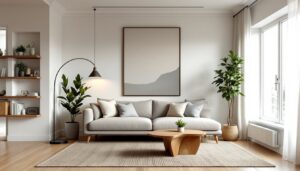
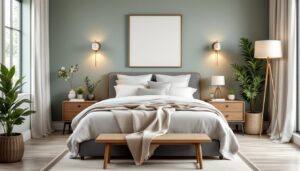
Your living room is where life happens, morning coffee, movie nights, conversations with friends, and quiet evenings with a good book. It deserves to be more than just functional: it should feel like a retreat tailored to your lifestyle. Living room decor inspiration doesn’t require expensive renovations or a professional designer’s budget. With intentional choices around style, color, furniture, and accessories, you can create a space that’s both beautiful and genuinely livable. This guide walks you through seven practical design ideas to help you build a living room you’ll actually enjoy spending time in.
Table of Contents
ToggleKey Takeaways
- Defining your living room decor style direction first—whether modern, farmhouse, or eclectic—ensures every design choice feels intentional and cohesive.
- Use the 60-30-10 color rule (dominant, secondary, and accent colors) combined with paint samples tested under different lighting to establish a mood without costly mistakes.
- Invest in quality, comfortable furniture that fits your space and lifestyle, prioritizing a neutral anchor piece like a sofa that lets you experiment with color through accessories.
- Layer lighting with dimmers, table lamps, floor lamps, and accent lighting to transform your living room from harsh and flat to warm and functional across different times of day.
- Add personality and texture through textiles, art, plants, and natural materials—affordable swaps that prevent rooms from feeling sterile and make them feel lived-in and authentic.
- Build your living room gradually with one or two intentional changes at a time, ensuring the final design balances beautiful aesthetics with your actual lifestyle and daily needs.
Define Your Living Room Style With a Clear Design Direction
Before you buy a single throw pillow, decide what aesthetic speaks to you. Are you drawn to modern minimalism, cozy farmhouse vibes, eclectic maximalism, or something in between? Your style sets the foundation for every other decision you’ll make.
Start by gathering visual references. Scroll through design sites, save images that make you pause, and note what they have in common. Do you keep picking rooms with clean lines and neutral tones? Or do you gravitate toward warm wood, layered textiles, and collected-over-time feels? That pattern reveals your authentic taste.
Once you’ve identified your direction, stick to it. This doesn’t mean rigid adherence to one aesthetic, mixing styles works when there’s a common thread holding them together, whether that’s color, material, or vibe. A modern farmhouse blend might pair sleek furniture with vintage accessories and natural wood. The key is intentionality: every piece should feel like it belongs in your story, not like it wandered in from someone else’s Pinterest board.
Choose a Color Palette That Sets the Mood
Color is the fastest way to transform a room’s mood. Warm neutrals (creams, taupes, warm grays) feel inviting and grounding. Cool grays and whites create crisp, modern vibes. Deep jewel tones, emerald, navy, terracotta, add sophistication and depth.
A solid approach is the 60-30-10 rule: choose a dominant color (60%), a secondary color (30%), and an accent color (10%). For example, warm beige walls (60%) + soft blue furniture (30%) + terracotta accessories (10%) creates visual harmony without monotony.
Paint is the easiest, and least expensive, way to test a color direction. Grab sample pots from your local hardware store and paint large swatches on your walls. Live with them for a few days under different lighting. Morning light, evening light, and artificial light all shift how colors read. This simple step prevents costly repainting mistakes.
If you’re renting or commitment-phobic, large rugs, curtains, and furniture already anchor color scheme shifts without permanent changes. Designer-approved living room ideas across a range of color palettes show how different tones set entirely different emotional tones in the same room layout.
Select Furniture That Balances Comfort and Aesthetics
A beautiful sofa nobody wants to sit on defeats the purpose. Furniture is your living room’s backbone, so it has to work hard: it must fit your space, feel comfortable to actually use, and align with your design direction.
Measure your room before shopping. Note the wall lengths, doorway placements, and any traffic patterns. A sectional might feel luxurious but consume the whole room and block natural light flow. A single sofa plus accent chairs might serve you better. Account for clearance around pieces, you need at least 18 inches of walking space around furniture clusters.
Choose a sofa or primary seating piece in a neutral or grounding color: this is your anchor. Accent chairs, ottomans, and side tables let you introduce secondary colors and patterns without committing the whole room to one bold choice. When shopping, sit on the furniture. Test armrest height, seat depth, and cushion firmness. Gorgeous isn’t livable if your back hurts after two hours.
Wood tones should complement, not clash. Warm woods (oak, cherry) pair naturally with warm neutrals and warm accent colors. Cool woods (gray-stained or whitewashed) harmonize with cool color palettes. Mixing is fine if there’s intention, it just shouldn’t feel random. A simple way to ground bedroom decor ideas or refresh a tired sitting area is investing in one quality, well-fitted piece that’ll anchor the room for years.
Layer Lighting for Ambiance and Functionality
Most living rooms rely on one overhead fixture, usually harsh and unflattering. Layered lighting uses three types: ambient (general room light), task (focused light for reading or work), and accent (decorative light that highlights features).
Start with dimmers on your overhead fixture. This single upgrade lets you adjust brightness from energizing morning light to cozy evening glow. Add table lamps on side tables or consoles for task lighting: a 40-60 watt equivalent LED bulb in a warm color temperature (2700K) feels welcoming without being stark.
Floor lamps in corners or beside seating add both function and visual warmth. Wall sconces flanking a fireplace or artwork serve as accent lighting while freeing floor space. String lights or a simple floor lamp with a dimmer switch create intimate evening ambiance without theater.
LED bulbs save money and run cool, important when you’re placing lights near fabrics. Avoid standard incandescent in enclosed fixtures where heat buildup risks fire. The investment in proper lighting transforms how a room feels and functions across the day and night.
Add Texture and Personality Through Accessories
This is where your living room gets character. Texture, woven throws, plush pillows, metallic accents, natural wood elements, prevents rooms from feeling flat or sterile. Personality comes from collected objects, art, and accessories that tell your story.
Start with textiles: curtains, rugs, and pillows are forgiving, affordable, and easy to swap. Layer patterns thoughtfully, pair a striped pillow with a geometric throw and a solid upholstered piece. The visual weight stays balanced when one pattern dominates and others complement quietly.
Art and wall decor anchor your style. A single large piece or a curated gallery wall works better than scattered smaller frames. Choose artwork that speaks to you personally: it doesn’t have to match your palette perfectly if the mood aligns.
Decor objects, books, plants, bowls, candles, fill shelves and surfaces. Group in odd numbers (three books, five candles) for visual appeal. Don’t overstuff: breathing room prevents the space from feeling cluttered. Affordable DIY decor transformations often show how swapping accessories and textiles refreshes a room in a weekend, proving you don’t need new furniture to feel a major shift.
Incorporate Plants and Natural Elements
Living plants soften hard edges, improve air quality, and instantly make a room feel alive. You don’t need a green thumb, low-maintenance options like pothos, snake plants, and ZZ plants thrive on neglect and work in low to medium light.
Place tall plants in corners to add visual interest without blocking sightlines. Trailing plants on shelves or hanging planters draw the eye upward. Small potted plants on side tables or shelves cluster together naturally.
Natural materials, raw wood, stone, rattan, linen, and wool, add warmth and authenticity. A jute rug grounds seating areas. Wooden side tables bring organic texture. Woven baskets under console tables offer storage and visual softness.
Sunlight and water are critical. Before committing to plants, assess your room’s light levels honestly. East or west-facing windows offer moderate, gentle light: south-facing windows provide intense light: north-facing rooms are dim. Match plants to available light rather than forcing a plant that’ll struggle. Water less often in winter: most plants need less than you think. Overwatering kills more houseplants than neglect. Budget room transformations using natural materials and plants demonstrate how greenery and natural tones can completely refresh a tired space without major expense.
Create a Living Room You’ll Love Every Day
A designed living room that nobody uses isn’t a win, it’s expensive decor. The best living room reflects both aesthetics and your actual life. If you have kids, choose durable, washable fabrics and finishes. If you work from home, ensure adequate task lighting and comfortable seating at a desk corner. If you entertain frequently, arrange furniture to encourage conversation.
Start with one or two intentional changes rather than an overhaul. Paint a wall, invest in a quality rug, add proper lighting, or swap out accessories. Notice what shifts emotionally in the space. Build from there. This gradual approach lets your room evolve as your style clarifies and your needs change.
Your living room should be a space where you actually want to spend time, not a room you walk through on the way elsewhere. When form and function align, and personal style shines through, that’s when decor becomes a living room that works as hard as you do.