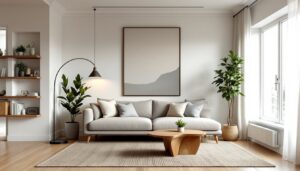
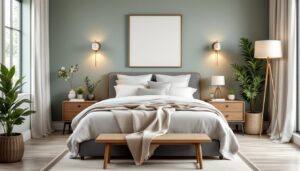
Your living room is where the household gathers, works, relaxes, and entertains, so getting the furniture right matters. Whether you’re starting from scratch or refreshing an outdated layout, choosing the right pieces can transform the space into something both functional and inviting. Living room furniture ideas shouldn’t be about following trends blindly: instead, they’re about understanding your lifestyle, layout constraints, and the balance between comfort and durability. This guide walks you through seven essential furniture decisions that’ll help you build a living room that actually works for how you live, not just how it looks on Instagram. We’ll cover everything from selecting a sofa that fits your needs to layering in accent pieces that tie the room together.
Table of Contents
ToggleKey Takeaways
- Choose a sofa based on your lifestyle and room layout—measure doorways carefully and account for actual dimensions, which often exceed nominal sizes.
- Fabric choice matters for durability: microfiber and performance fabrics resist spills and pet damage better than linen, making them practical for active households.
- Accent chairs add flexibility to your seating arrangement without consuming as much space as a sectional, and should have arms at 24–26 inches and seat depth of 20–24 inches.
- Living room furniture ideas work best when a coffee table measures about two-thirds your sofa’s length and sits 14–18 inches away, creating proper proportions and flow.
- Layer your storage with a mix of open shelves for display and closed cabinets to hide clutter, while wall-mounted shelving saves floor space and adds visual interest.
- A rug anchors your seating area and should be 8×10 feet with its front edge 12–18 inches in front of the sofa, tying together your entire furniture arrangement.
Choose the Right Sofa for Your Layout and Lifestyle
The sofa is your living room’s anchor, it sets the tone, consumes the most square footage, and defines how people use the space. Before shopping, measure your room and doorways carefully. Nominal versus actual dimensions matter: a “90-inch sofa” often measures closer to 92 inches in reality, and you’ll need at least 18 inches of clearance from opposing walls for comfortable walking.
Think about how you actually use your living room. Do you watch movies in sprawls, or do you host frequent gatherings? A deep, cushioned sectional works great for families who pile on to watch TV, but it eats up real estate fast. A traditional three-seater with clean lines leaves room for accent chairs and side tables. If you have a smaller layout, think apartments or open-concept sitting room decor ideas where the living area bleeds into a dining zone, a loveseat or apartment-scale sectional (around 72 inches) keeps things proportional.
Fabric choice is practical, not just aesthetic. Microfiber holds up to spills and pet paws better than linen: it’s also cheaper to replace if stains set. Genuine leather requires conditioning and develops character (and scratches) over years. Performance fabrics resist moisture without the synthetic feel of older microfiber, though they cost more upfront. Avoid light colors if you have kids, pets, or messy eating habits, this is where experience beats Pinterest inspiration.
Create a Functional Seating Arrangement With Accent Chairs
Accent chairs do the heavy lifting in a well-planned seating layout. They give you flexibility without committing to a massive sectional, and they’re moveable enough to rearrange when you want to shift the room’s flow. A good accent chair should be comfortable enough for 30-minute conversations but sturdy enough to handle regular use.
Consider pairing your sofa with two matching accent chairs angled toward a coffee table, creating a conversation pit that invites interaction. Alternatively, one oversized armchair next to a narrow side table creates a reading nook within the larger room. For ideas for bedroom decor that spills into an adjoining living space, or for front room decor ideas where traffic flow is tight, a single statement accent chair in a bold color or pattern can anchor one corner without blocking sightlines.
Arm height and seat depth matter more than style. Sofas and chairs with arms set at 24–26 inches are standard: anything lower feels like you’re sinking, and anything higher throws off proportions. Seat depth should be 20–24 inches for average adults. Deeper seats are comfy for lounging but can make it hard for shorter people to reach the backrest. Test before you buy, or check return policies, a chair that looks good in the showroom might feel awkward in your actual space.
Anchor Your Space With a Statement Coffee Table
The coffee table isn’t just functional, it’s visual real estate that ties your seating arrangement together. A well-chosen table sets proportions, defines the conversation zone, and fills the sightline gap between your seated guests.
Size it right: the table should be about two-thirds the length of your sofa and sit 14–18 inches from the sofa edge. Too small, and it looks floating and fussy: too large, and it blocks traffic or makes reaching drinks clumsy. A rectangular or oval table works in tight spaces, while a square table (48 inches on a side) suits larger layouts and gives you symmetric viewing from all angles. Wood offers durability and timelessness: glass feels open and works in smaller rooms: metal and concrete are industrial anchors that suit modern schemes.
Material durability depends on your household. Solid wood handles daily use and develops patina over years, that’s character, not damage. Glass requires frequent cleaning and shows fingerprints, but it won’t scratch from remote controls or coffee mugs. Marble looks sophisticated but stains easily and can crack if something heavy falls. An open shelf underneath adds storage without bulk, letting you stash throws, magazines, or board games where they’re accessible but not visible.
Add Storage and Display With Smart Shelving and Media Units
Shelving and media units serve dual purposes: they store the stuff that accumulates (remotes, streaming boxes, books, decorative objects) and they display the pieces that reflect your taste. This is where function and aesthetics meet without compromise.
Wall-mounted shelves save floor space and create visual interest without the footprint of a floor cabinet. Heavy-duty floating shelves (rated for 25–50 pounds per shelf) handle books and decorative items: anything heavier needs modern home design and architectural inspiration research and proper wall anchors rated to your shelf length. For a room that functions as both sitting room decor and casual entertaining space, a low media console (around 18 inches tall) keeps the TV at eye level from your sofa and gives you drawer and shelf space below without blocking sightlines.
Built-in shelving around a TV or along a wall adds architectural detail and maximizes corner space that’d otherwise sit empty. Open shelving looks clean in minimalist schemes but requires regular styling and dusting, if you’re not willing to maintain it, go with closed cabinets. A mix of open and closed storage is usually the sweet spot: display your books and travel finds: hide the cables, boxes, and seasonal items behind cabinet doors. Measure shelf depth carefully, most shelves are 10–12 inches deep, but oversized decorative items might need 14–16 inches.
Incorporate Side Tables and Lighting for Comfort
Side tables are the unsung MVPs of a functional living room. A small table next to each accent chair or at the sofa arm’s end gives people a place to set drinks, books, remotes, or phones without reaching across furniture or balancing things on their laps.
Size them proportionally: a side table next to an armchair should be roughly 24–28 inches tall and 18–24 inches wide. Go too tall and it looks awkward: too short and it defeats the purpose. Round tables suit tight corners and create flow around furniture legs, while rectangular or square tables maximize surface area. Metal and wood combos, like a brass-frame table with a walnut top, bridge traditional and modern styles without looking either dated or trendy.
Lighting transforms a living room from functional to comfortable. Floor lamps in corners or beside chairs provide task lighting for reading without relying on overhead fixtures that can wash out colors and cast shadows. A modern interior design inspiration source often showcases table lamps with fabric shades that diffuse light warmly and add softness to hard furnishings. Three-way bulbs let you adjust brightness for different times of day and activities. Layer your lighting: ambient overhead or corner fixtures for general visibility, task lamps near seating for focused light, and accent lighting (like LED strips behind shelving) to highlight architectural features or display areas.
Bring It All Together With Rugs and Final Touches
A rug ties furniture groupings together and defines zones within an open floor plan. An 8×10-foot rug under your sofa and coffee table anchors the seating area and gives it visual weight. Smaller accent rugs (3×5 or 4×6) work in reading nooks or beside accent chairs. The front edge of the rug should be about 12–18 inches in front of your sofa: the back legs of accent chairs ideally sit on the rug, creating a cohesive zone.
Material durability trumps aesthetics in high-traffic living rooms. Wool is durable and naturally stain-resistant: synthetic fibers (polypropylene, nylon) are budget-friendly and handle spills: natural fibers like jute add texture but don’t take stains well. Dark or patterned rugs hide wear better than light solids, especially if you have kids or pets. A rug pad underneath prevents slipping and protects your flooring, non-slip, felt-backed pads work on hard floors, while cushioned pads add comfort on existing carpet.
Final touches, throw pillows, blankets, artwork, and plants, should reflect your lifestyle, not a design magazine. Choose pillows that actually get used (not ones too nice to sit on) and in fabrics that withstand handling. A console table behind a sofa, a gallery wall of framed photos above a bookshelf, or a sculptural floor plant in a corner add personality without clutter. Home decorating inspiration and design ideas abound, but the best living rooms balance the curated look with the comfort of actually living there. Rearrange seasonally or when you get bored, the beauty of moveable furniture is that you can refresh your room without renovation costs.
Conclusion
Building a living room that works requires balancing aesthetics with practical needs: how many people will sit here, what activities happen in this space, and how much maintenance are you willing to do? Start with your sofa and coffee table, layer in seating and storage, and finish with rugs and accents that tie it all together. The best living room furniture ideas are the ones you’ll actually use and enjoy for years to come.