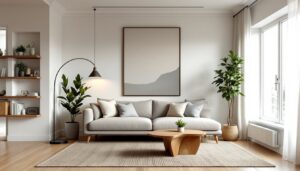
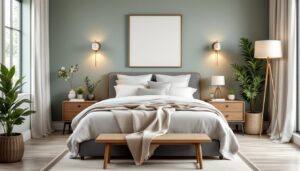
Room decorations don’t need a designer’s budget or a Pinterest obsession to work. Whether you’re refreshing a bedroom, updating your living room decor ideas, or reimagining how your kitchen feels, the right decorative choices turn an ordinary space into one that actually works for how you live. This guide covers practical room decoration strategies, from paint and lighting to furniture arrangement and textiles, that any homeowner can tackle without hiring professionals. You’ll learn how to layer color, light, and texture in ways that amplify space, boost functionality, and keep costs realistic.
Table of Contents
ToggleKey Takeaways
- A cohesive color palette using the 60-30-10 rule—dominant neutral (60%), secondary color (30%), and accent colors (10%)—creates a professional room decorations strategy without designer costs.
- Layered lighting with ambient, task, and accent lights prevents flat-looking spaces, and choosing one color temperature (warm or cool) prevents visual jarring that undermines room decoration impact.
- Strategic wall decor, mirrors, and gallery walls multiply visual interest and light; arranging items using measurements and the rule of threes creates intentional designs rather than random placements.
- Textiles like rugs, curtains, and throw pillows define spaces, absorb sound, and add warmth while staying within budget—making them the easiest elements to refresh as trends evolve.
- Large floor plants and natural materials (wood, stone, metals) inject authenticity and vertical interest into room decorations while improving air quality and grounding spaces in tactile elements.
- Functional storage through shelves, baskets, and ottomans doubles as room decoration, keeping 30% of shelf space empty so items breathe and prevent visual clutter.
Choose a Cohesive Color Palette
A cohesive color palette is the backbone of any room decoration strategy. Start by picking one dominant wall color, typically a neutral or soft tone that covers 60% of the visual space. Then add a secondary color (roughly 30%) through larger pieces like furniture or a feature wall. The remaining 10% comes from accent colors in pillows, art, or decorative objects.
Neutrals like warm whites, soft grays, and warm beiges work across most styles because they adapt to sunlight and other elements in the room. If you’re drawn to bold colors, test paint samples on your walls and observe them at different times of day: morning light, afternoon sun, and evening artificial light all shift how colors read.
For living room decor ideas specifically, consider that wall color affects how furniture pieces feel. A pale gray backdrop makes warm wood furniture stand out, while an off-white makes bright upholstery feel louder. Avoid painting all four walls the same deep color unless the room gets excellent natural light, it can feel cave-like fast.
Don’t mix too many neutral undertones (warm, cool, greige) in one small space. Pick your temperature (warm or cool) and stick with it. This single decision prevents that chaotic “clashing” feeling that happens when you pull decor pieces randomly from different sources.
Layer Your Lighting
Lighting layers make or break a room. Most DIYers think one ceiling fixture is enough, then wonder why their space looks flat at night. Plan for three types: ambient (overall brightness), task (reading, working), and accent (highlighting decor or architecture).
Ambient light typically comes from a ceiling fixture or recessed lights. If your room lacks overhead lighting, track lighting or flush-mount options work without rewiring walls, especially useful in rentals. Task lighting comes from desk lamps, bedside reading lamps, or under-cabinet strips in kitchens. Accent lighting highlights a piece of art, a gallery wall, or architectural details: picture lights above frames or uplighting behind floating shelves serve this role.
When shopping for fixtures, note the color temperature in Kelvins (K). Warm white (2700K) suits living rooms and bedrooms: cool white (4000K+) works better for kitchens and workspaces. Mixing temperatures in one room feels jarring, so choose one and build around it.
Dimmers on ambient lights give you flexibility, bright enough for cleaning, dimmed for evening relaxation. Dimmer switches add $15–30 and take 30 minutes to install if you’re comfortable with basic electrical work: otherwise, call a licensed electrician. Budget-conscious decorators also use table lamps with matching shades as “portable” lighting that softens corners and draws eyes around the room.
Add Functional and Decorative Storage
Storage in room decoration serves double duty: it clears clutter and becomes part of your visual design. Built-in shelving, cubbies, or cabinets organize items while adding architectural interest. Open shelves display decorative objects, books, plants, framed photos, and make rooms feel more open than closed cabinets.
When planning storage, measure twice. Wall-mounted shelves need secure anchors into studs (drywall anchors alone won’t support heavy books or decor). A standard shelf holds roughly 25–50 lbs per foot depending on the bracket and wall construction. If you’re not confident drilling into walls, adhesive strips and tension rods offer temporary alternatives.
Storage ottomans, baskets, and benches add function while keeping visual weight low. A woven basket under a console table hides remotes, blankets, and toys: a wooden storage bench at the bed’s foot doubles as a place to sit and fold clothes. These pieces also serve as living room furniture ideas that don’t consume extra floor space.
When styling open shelves, use the “rule of threes”: group items in odd numbers and vary heights and depths. A tall plant next to a stack of books next to a small framed photo reads as intentional, not random. Avoiding symmetrical perfection makes a room feel lived-in rather than staged. Leave 30% of shelf space empty so items breathe and the eye can rest.
Incorporate Wall Decor and Accent Pieces
Wall decor, gallery walls, mirrors, textile hangings, instantly lifts a bare room. A large mirror opposite a window bounces light and makes spaces feel twice as big: this works especially well in small bedrooms or hallways. Mirrors also reflect art and decor, multiplying visual interest without adding clutter.
Gallery walls don’t require symmetry to work. Arrange framed prints, family photos, and small shelves in a loose cluster, leaving 2–3 inches between frames. Measure the center point of your cluster, then hang from that reference point outward: this prevents the lopsided look that happens when you hang piece-by-piece. Use a level and painter’s tape to mark holes before hammering, it takes 10 minutes and prevents multiple nail holes.
Textile wall hangings, macramé, woven tapestries, or vintage rugs, add warmth that cold white walls can’t match. These pieces absorb sound, soften corners, and cost $20–80 depending on size. Hang them 12–16 inches below the ceiling so they don’t weigh the room down visually.
Accent pieces like sculptures, vases, or framed botanical prints anchor a room’s style. Consistency in finish (all brass, all wood, all ceramic) ties pieces together even if they’re different sizes or eras. According to recent interior design tips on MyDomaine, a common mistake is placing one large decor item in isolation: grouping three related pieces creates intentional vignettes that feel curated rather than accidental.
Use Textiles to Define and Soften Spaces
Textiles transform raw rooms into comfortable ones. Rugs anchor furniture groupings, define zones in open plans, and absorb sound. A rug should extend at least 18 inches under major furniture pieces so the grouping feels connected, not floating. For living rooms, this typically means a 5×8 or 6×9 rug positioned under the front legs of sofas and chairs.
Curtains frame windows and control light, but they also serve as room decoration. Floor-to-ceiling curtain rods make ceilings appear higher than rods mounted above the window trim. Heavy curtains muffle outside noise: sheer curtains soften harsh sunlight. Linen or linen-blend fabrics drape naturally and hide dust better than velvet, though velvet adds richness if your budget allows.
Throw pillows, blankets, and layered textures create that “lived-in” feeling without major investment. Mix fabric textures, linen, wool, cotton, leather, so the room doesn’t feel flat. A faux fur pillow next to a crisp linen one next to a chunky knit adds depth. Stick to your color palette: if your walls are cool gray, choose pillows in charcoal, white, and soft blue rather than mixing in warm oranges.
Upholstered headboards and padded benches soften hard edges and contribute to room decoration without taking up floor space. Wallpapers, especially removable peel-and-stick options, add pattern and color commitment-free. A $30 roll of removable wallpaper on an accent wall behind a bed creates modern home decor impact without landlord drama. Textiles are the easiest swaps when trends shift, so don’t stress perfection on day one.
Bring Life With Plants and Natural Elements
Living plants improve air quality and inject genuine life into room decoration. You don’t need a green thumb, snake plants, pothos, and ZZ plants tolerate low light and irregular watering. Large floor plants (fiddle leaf figs, monstera, bird of paradise) fill empty corners and draw the eye upward, which makes ceilings feel higher.
Measure your space before buying. A plant that fits a store shelf might sprawl across your entire corner at home. Check light conditions: north-facing windows suit shade-tolerant plants: south and west windows handle sun-lovers. Ask the nursery staff or read plant tags, they list light and water needs so you actually keep things alive.
Small plants on shelves, desks, and windowsills add punctuation without dominating the room. Grouping three pots of varying heights creates visual interest. Terracotta, ceramic, and woven planters come in every price range: matching materials ties your plant collection into room decoration rather than scattered greenery.
Natural wood, stone, and raw metals complement plants and add texture that synthetic materials can’t match. A wooden coffee table with a live edge, stone coasters, or a brass or copper lighting fixture grounds a room in tactile materials. Budget home makeovers often use natural elements from thrift stores, reclaimed wood shelves, vintage terracotta pots, weathered branches in a vase, because authenticity costs less than new.
Conclusion
Room decorations work best when they reflect how you actually live and what your space needs. Start with the fundamentals, color, light, and storage, before chasing trends or buying on impulse. Swap in textiles and plants gradually, layer your lighting thoughtfully, and don’t skip wall prep or measurement. The spaces that feel most “designed” often came together over time, not overnight. Your budget matters less than intention.