In today’s fast-paced world, residential appliances are the unsung heroes of home life. They quietly tackle daily chores while we binge-watch our favorite shows or attempt to master the art of sourdough baking. From refrigerators that keep leftovers fresh (and sometimes harbor questionable science experiments) to washing machines that handle laundry with the grace of a ballet dancer, these gadgets make life easier and a lot more entertaining.
But let’s face it: not all appliances are created equal. Some are like that friend who always shows up late and forgets the snacks, while others are the life of the party. Choosing the right appliances can turn a mundane household into a well-oiled machine. So, let’s dive into the world of residential appliances and find out which ones deserve a spot in your home—and which ones should probably stay in the store.
Overview of Residential Appliances
Residential appliances play a vital role in enhancing daily life at home. These tools streamline chores and contribute to comfort and convenience.
Types of Residential Appliances
Common types of residential appliances include kitchen, laundry, and cleaning devices. Kitchen appliances encompass refrigerators, ovens, and microwaves. Laundry appliances involve washers and dryers that simplify clothing care. Cleaning appliances feature vacuums and dishwashers, ensuring cleanliness with ease. Smart appliances gained popularity, offering remote control and efficiency. Each type serves a specific purpose, making household tasks more manageable.
Importance of Residential Appliances
Residential appliances significantly influence household efficiency. Proper selection can save time and energy during daily chores. Energy-efficient models contribute to lower utility bills and reduce environmental impact. Reliable appliances enhance home comfort, promoting a better quality of life. Investing in the right appliances ensures that daily tasks are accomplished quickly and effectively, allowing for more leisure time. Without these unsung heroes, modern living would face considerable challenges.
Energy Efficiency in Residential Appliances
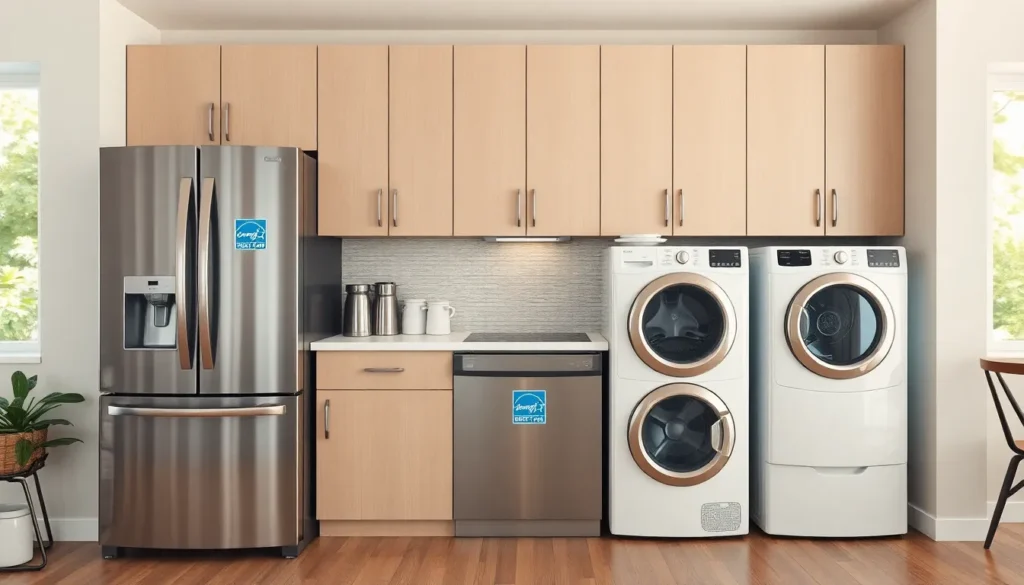
Energy efficiency plays a vital role in selecting residential appliances. Efficient appliances reduce energy consumption, lowering utility bills and minimizing environmental impact.
Benefits of Energy-Efficient Appliances
Energy-efficient appliances provide significant long-term savings. These devices often use 10-50% less energy than their less efficient counterparts. Enhanced performance is another advantage, as many energy-efficient models operate quietly and effectively. Choosing efficient appliances often leads to a smaller carbon footprint, contributing to global sustainability efforts. Consumers enjoy a variety of rebates and incentives when purchasing qualified appliances, which further encourages energy-conscious decisions.
How to Choose Energy-Efficient Options
Identifying energy-efficient options involves checking the Energy Star label. Products with this label meet strict efficiency guidelines set by the U.S. Environmental Protection Agency. Comparing average annual energy costs helps in understanding potential savings. Researching product reviews assists in finding reliable models that perform well over time. Considering the appliance’s size ensures it meets household needs without wasting energy. Lastly, opting for newer models often provides advanced technology, increasing efficiency and performance.
Technology Trends in Residential Appliances
Modern residential appliances undergo constant evolution, focusing on technology trends that enhance efficiency and convenience. The rise of smart technology revolutionizes household tasks, making daily life more manageable.
Smart Appliances
Smart appliances connect to home Wi-Fi networks, allowing remote control via smartphones or voice-activated devices. Users can monitor energy consumption and receive maintenance alerts directly from their devices. Appliances such as smart refrigerators now feature touchscreen interfaces, offering recipe suggestions based on available ingredients. Smart dishwashers adjust water and energy usage based on load size, providing optimal performance. Recent studies indicate that smart appliances reduce energy use by up to 30%, showcasing their potential for convenience and resource conservation.
Innovations in Design and Functionality
Innovative designs enhance both aesthetics and usability in residential appliances. Sleek, modern finishes complement contemporary kitchens, making appliances visually appealing. Trends include multifunctional devices that combine cooking and food prep capabilities, such as air fryers that also bake or steam. User-friendly interfaces simplify operation, ensuring even novice users can navigate settings easily. Additionally, appliances now feature enhanced energy-efficient technology, providing significant savings on utility bills over time. As advancements continue, these innovations contribute to improved overall household efficiency.
Maintenance and Longevity of Residential Appliances
Proper maintenance extends the lifespan of residential appliances and enhances their efficiency. Routine care ensures these tools operate smoothly and avoid costly repairs.
Regular Maintenance Tips
Clean filters and vents regularly to prevent clogs. Inspect hoses and cords for wear or damage, replacing them as needed. Schedule annual professional checks for key appliances like refrigerators and HVAC systems. Run self-cleaning cycles in ovens and dishwashers to maintain performance. Assess seals on refrigerators and ovens, replacing them if they appear worn. Keep appliances free from heavy dust and grime for optimal operation. Utilize user manuals for specific maintenance guidelines tailored to each device.
Signs That Appliances Need Replacement
Unusual noises from appliances often indicate mechanical issues. Increased energy bills may signal inefficiency or malfunctioning components. Persistent breakdowns suggest that repair costs may outweigh replacement expenses. Appliances that fail to heat or cool correctly require immediate attention. A lack of available parts or difficulty in finding service can also justify replacement. If appliances emit strange odors, this may point to technical faults needing urgent resolution. Noticeable wear or rust around the exterior surfaces can also signify it’s time for a new appliance.
Residential appliances are essential for enhancing everyday life. They not only streamline household tasks but also contribute to energy savings and environmental sustainability. By investing in reliable and energy-efficient options, homeowners can enjoy improved functionality and comfort in their living spaces.
Smart technology is revolutionizing the way appliances operate, offering convenience and efficiency that align with modern lifestyles. Proper maintenance ensures these valuable tools remain effective and long-lasting. With the right choices, individuals can create a home environment that balances productivity and leisure, making daily routines more enjoyable and efficient.