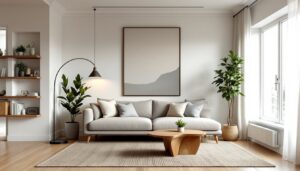
Your living room is often the first space guests see and the place where your family spends the most time together, so it deserves thoughtful design. Whether you’re starting from scratch or refreshing what’s already there, living room decor ideas don’t have to mean expensive overhauls or hiring a designer. This guide covers practical, achievable strategies for updating color, texture, furniture layout, and lighting, all the fundamentals that transform a generic room into a space that actually reflects who you are and how you live. You’ll learn which paint finishes hold up to daily wear, how to arrange furniture for conversation and flow, and which accessories make the biggest impact without breaking the budget.
Table of Contents
ToggleKey Takeaways
- Living room decor ideas work best when combining practical design elements like paint finish, furniture layout, and layered lighting rather than expensive overhauls.
- Choose eggshell or satin paint finishes for durability in high-traffic living rooms, and test samples on your walls for several days to observe how light affects the final color.
- Arrange furniture around a focal point (TV, fireplace, or window) while maintaining at least an 18-inch walking path and consider floating seating arrangements to create cozier, more intentional gathering spaces.
- Layer your lighting with overhead, task, and accent lights, and add dimmers to adjust ambiance from bright entertaining to soft evening relaxation.
- Use accessories like throw pillows, rugs, mirrors, and plants to add personality and color, arranging items in odd numbers for more visually interesting displays.
Color Schemes and Paint Finishes That Work
Choosing the Right Paint Finish for Your Living Room
Color sets the mood, but finish determines durability. For living rooms with heavy foot traffic and family use, avoid flat paint, it scuffs and stains. Instead, choose eggshell or satin finishes, which offer subtle sheen, better washability, and easier touch-ups. Eggshell (sometimes called “velvety”) provides a softer appearance while satin handles moisture and cleaning better, making it ideal near entryways or if you have pets.
Neutral base colors, warm grays, soft whites, or warm beiges, give you flexibility to shift living room furniture ideas without repainting every few years. They’re also forgiving: they hide dust and minor imperfections better than rich, dark colors. If you want deeper tones, consider them as an accent wall rather than all four walls, which can make a space feel cramped.
Test paint samples on your actual walls and observe them at different times of day. Artificial lighting and natural light will shift how a color reads. Buy a quart, paint a 3-foot-by-3-foot section, and live with it for a few days before committing to a gallon. One gallon of quality paint typically covers 250–400 square feet, depending on surface porosity and sheen.
Walls, Wallpaper, and Textural Elements
Paint isn’t your only option. Wallpaper has made a comeback, and modern peel-and-stick varieties are forgiving for renters and DIYers. Look for patterns that complement your furniture layout, large prints can overwhelm small rooms, while busy small patterns often feel dated. Grasscloth and linen-textured wallpapers add tactile interest without being trendy.
If you apply traditional wallpaper, preparation is critical. Sand the walls lightly, fill any holes, and prime with a size (adhesive primer) designed for wallpaper. Crooked application is the number-one complaint: use a laser level or chalk line to keep patterns straight. Most peel-and-stick products work best on smooth, clean surfaces, avoid textured or glossy paints.
Texture doesn’t require wallpaper. Shiplap, textured paint techniques, or a dado rail (a horizontal trim at about 36 inches high) add visual depth. Shiplap installation involves nailing 1×6 or 1×8 tongue-and-groove boards horizontally: it’s not structural, so you can apply it over drywall. Ensure studs are located and nail into them for secure holding. Stagger the nails between the top and bottom of boards to minimize splitting. After installation, caulk joints, sand, prime, and paint to protect the wood from moisture and dust.
Furniture Arrangement and Layout Strategies
How you place furniture drives how people move through and use your living room. Start by identifying your room’s focal point, typically the TV, fireplace, or a window with a view. Arrange seating to face that focal point, but don’t ignore conversation. A sofa facing the TV with chairs angled slightly toward each other encourages both entertainment and socializing.
For living room furniture ideas that maximize flow, ensure at least a 18-inch walking path between pieces. Furniture pressed against walls doesn’t always make a small room feel bigger: a floating arrangement, where seating doesn’t touch walls, often creates a cozier, more intentional gathering space. Measure doorways and hallways before buying: a beautiful sectional is useless if you can’t get it inside.
Consider scale and proportion. Oversized furniture in a small room dominates: leggy pieces (sofas with visible feet rather than skirted bases) feel lighter and less bulky. If the room is narrow, a loveseat or apartment-scale sofa works better than a full sectional. Arrange pieces in a U-shape or L-shape rather than straight lines to encourage engagement. Use a low coffee table or ottoman to anchor the seating cluster, it’s functional and visually grounds the arrangement.
Lighting and Accessories for Ambiance
Layered lighting, ambient, task, and accent, prevents your living room from feeling flat or harsh. Overhead fixtures alone aren’t enough: add table lamps on side tables flanking the sofa and perhaps a floor lamp in a reading corner. Dimmers on overhead lights let you adjust mood from bright (for entertaining or cleaning) to soft (for evening relaxation).
LED bulbs now offer warm color temperatures (2700K mimics incandescent warmth) and are energy-efficient. Avoid bare overhead lighting after dark: it’s unflattering and tiring. Uplighting behind furniture or accent lighting on artwork adds sophistication without complexity. Wall sconces flanking a fireplace or artwork provide functional light and visual balance.
Accessories anchor personality. Throw pillows, blankets, and rugs add comfort while pulling color and texture together. Layer rugs thoughtfully, a larger base rug with smaller runners or layered pieces can define spaces, especially in open-plan homes. Art and mirrors are non-negotiable: a large mirror opposite a window bounces light and visually expands the room. Rotating artwork seasonally keeps the space fresh without major expense. Plants introduce life, trailing pothos, fiddle leaf figs, or snake plants work in various light conditions. Keep accessories in odd numbers (three, five, seven) on shelves: it’s more visually interesting than even arrangements.
Finding Your Style: From Modern to Cozy
Your living room decor should reflect how you actually live. Modern minimalist spaces prioritize clean lines, neutral colors, and uncluttered surfaces. If this speaks to you, invest in well-designed, multi-functional pieces and storage that hides the everyday chaos. Metal and glass accents add contemporary feel: warm woods soften the look and prevent coldness.
Cozy, traditional aesthetics work with deeper colors, pattern mixing, layered textiles, and vintage or inherited pieces. Antique rugs, patterned throw pillows, and books on shelves create warmth and lived-in charm. This style tolerates (and celebrates) imperfection and personality. Gallery walls of family photos, collected art, or prints tie the room together and spark conversation.
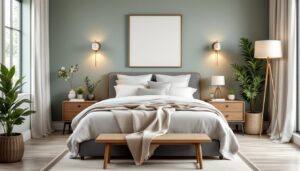
For sitting room decor ideas and ideas for bedroom decor, many of these principles apply: establish a color palette, layer lighting, and select furniture scaled to the room. The main difference is function, a bedroom prioritizes rest and privacy, so lighting is softer and fewer distractions. A sitting room may feel more formal or curated. Across all spaces, authentic design comes from understanding your lifestyle, not following rigid rules. Browse modern home decor ideas or home design inspiration to gather references that resonate with you, then adapt them to your specific space and needs. Remember, the best-decorated room is one you enjoy spending time in, not the one that photographs best.
Conclusion
Transforming your living room doesn’t require a complete gutting or a design degree. Start with one element, paint, a larger rug, or rearranging furniture, and build from there. Test decisions on a small scale before committing to the whole room. Pay attention to light, invest in comfortable seating, and let your genuine tastes guide your choices. Your living room should work for your family first and look good second.