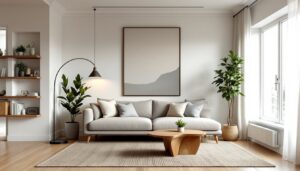
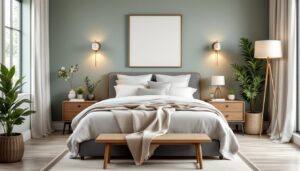
Your living area is the heart of your home, where your family gathers, friends visit, and you unwind after a long day. Whether you’re refreshing a tired lounge room or starting from scratch, smart decor choices can completely transform the space without a full renovation. The good news? You don’t need a designer’s budget or professional installation to create a living room that’s both functional and beautiful. This guide walks you through practical living area decor ideas, covering everything from color palettes to furniture arrangement, so you can build a space that genuinely reflects how your household actually lives.
Table of Contents
ToggleKey Takeaways
- Choose a neutral base color and apply the 60-30-10 rule with accent colors to create a cohesive living area decor that feels intentional, not chaotic.
- Layer three types of lighting—ambient, task, and accent—using warm white bulbs (2700K–3000K) to transform flat overhead lighting into a functional and inviting atmosphere.
- Mix contrasting textures and materials like plush fabrics, rough weaves, and smooth finishes to add sophistication and warmth without matching everything.
- Arrange seating within 8 feet of each other facing a focal point, maintain 18 inches of walkway space, and use area rugs to anchor furniture for both comfort and visual unity.
- Incorporate living plants, natural materials, and personal collections displayed thoughtfully on walls or shelves to add life, personality, and a connection to nature.
- Make one or two decor changes at a time and live with them for several weeks before committing to additional updates, letting your space evolve organically.
Choose a Color Palette That Sets the Mood
Color is the quickest way to change how a room feels, and it costs almost nothing if you’re working with paint and existing furnishings. Start by picking a base color, this is typically a neutral like soft white, warm gray, or taupe that’ll cover most of your walls. This anchors the space and keeps it from feeling chaotic.
From there, choose one or two accent colors that complement your base and reflect the mood you want. Cool tones like blues and greens create calm: warm tones like terracotta or sage feel more inviting. A practical approach is to use the 60-30-10 rule: 60% base color, 30% secondary color, and 10% accent color. This prevents visual overwhelm.
Test paint samples on your walls first. Lighting changes how colors read throughout the day, what looks perfect at noon might feel different at night. Paint large swatches (at least 2 feet wide) and observe them in morning, afternoon, and evening light before committing. Quality interior latex paint covers roughly 350–400 square feet per gallon, so measure your walls and calculate how many gallons you’ll need, adding about 10% for touch-ups.
If repainting feels daunting, living room theme ideas can start with a single accent wall or colored furniture pieces. A new sofa, area rug, or throw pillows in your chosen palette instantly shift the entire feel without touching a brush.
Layer Lighting for Ambiance and Functionality
Flat, overhead lighting makes any space feel institutional. Instead, layer three types of light: ambient, task, and accent.
Ambient lighting (your base layer) typically comes from ceiling fixtures or dimmer-controlled overhead lights set to about 50% power during evening hours. Task lighting handles specific activities, reading lamps flanking a sofa, a pendant over a side table, or wall sconces beside artwork. Accent lighting highlights architectural features or draws the eye to focal points, like uplighting behind floating shelves or bias tape along crown molding.
When selecting fixtures, consider the color temperature in Kelvin (K). Warm white (2700K–3000K) creates a cozy, inviting feel, ideal for living areas. Cool white (4000K–5000K) feels clinical and works better in kitchens or work zones. Most DIYers benefit from mixing fixture types: one or two larger statements (pendant, chandelier, or floor lamp) paired with smaller accent lights.
For installation, standard ceiling boxes are rated for up to 50 pounds: if hanging anything heavier, you’ll likely need a brace between joists, a job worth having an electrician verify, especially if the outlet isn’t on its own circuit. Swapping out existing fixtures typically requires only turning off power at the breaker, removing the old unit, and following the manufacturer’s wiring diagram. Always test with a voltage tester before touching any wires.
Incorporate Texture and Pattern Through Furnishings
Texture makes a room feel layered and inviting. Combine different finishes: a plush sofa, a rough-woven jute rug, a sleek glass coffee table, and a chunky knit throw. When materials have contrasting tactile qualities, the space instantly feels more sophisticated and comfortable.
Living room furnishing ideas thrive when you mix smooth and rough surfaces. Pair a leather sectional (smooth, tailored) with an oversized linen pillow (soft, natural fibers) and a wood side table with visible grain (organic, varied texture). Avoid matching everything, intentional contrast is what keeps a room from feeling sterile.
Patterns work best in smaller doses. A patterned area rug grounds the seating arrangement: patterned throw pillows add personality: patterned window treatments frame the view. Stick to two or three pattern styles max, say, stripes on pillows, geometric on the rug, and botanical prints on artwork. Repeating one color across patterns ties them together coherently.
When selecting furnishings, quality matters more than quantity. A single well-made sofa lasts 7–10 years: a cheaper one might fail in 3–4 years. Look at frame materials (hardwood is superior to particleboard), fabric weight (higher thread count, heavier weave), and cushion density. If you’re building living room furnishing ideas from scratch, invest first in a sturdy sofa and quality rug, then add accessories around them.
Add Greenery and Natural Elements
Living plants aren’t just decoration, they improve air quality and add visual life to any room. Choose plants based on your lighting: low light tolerates pothos, snake plants, and ZZ plants: bright indirect light suits philodendrons and monstera: direct sun works for succulents and fiddle leaf figs.
Size matters strategically. One large floor plant (5 feet tall) in a corner becomes a statement piece: clusters of smaller plants on shelves and side tables feel more organic than a single centerpiece. Mix pot styles, ceramic, terracotta, concrete, so planters become part of the decor, not just vessels.
Beyond living plants, incorporate natural materials: wood shelving, stone accents, woven baskets for storage, or a cork bulletin board. These elements echo the outdoors and add warmth that modern furnishings alone can’t achieve. A simple wood mantel, reclaimed barn wood as wall paneling, or untreated wood beams (if you have them exposed) create visual interest and anchor a room to nature.
Water features, a small tabletop fountain or an aquarium, add sound and movement. The gentle ambient noise masks external sounds and creates a calming background. If the idea of live plants feels overwhelming, high-quality faux greenery works for very low-light corners or high shelves where real plants won’t thrive.
Display Art and Personal Collections Thoughtfully
Wall art anchors a room and reflects personality. Instead of a random single frame, create a gallery wall, a curated collection of framed prints, photographs, and art pieces arranged in a cohesive pattern. Odd numbers (3, 5, 7 pieces) feel more natural than even grids.
Measure out your gallery wall on the floor first. Arrange frames in the layout you want, then photograph it. Mark the hanging heights on the wall using a level and painter’s tape as a guide. Nails into studs are always stronger, but picture hangers (rated for 20–50 pounds depending on style) work fine for drywall: simply follow the weight rating on the package.
Personal collections, travel mementos, vintage cameras, sculptural pieces, deserve thoughtful placement. A tall bookshelf with lounge room decor ideas in mind works well: place larger pieces at eye level, group smaller items in odd numbers, and leave breathing room so the shelf doesn’t feel cluttered. Floating shelves need proper brackets into studs: typical 12-inch deep shelves rated for 25 pounds should be mounted 16 inches on center at studs for stability.
Rotate seasonal decor. Swap out throw pillows, art, and small accessories monthly or seasonally to keep the space fresh without committing to permanent changes. This approach also lets you experiment with modern home decor ideas before fully committing.
Maximize Space With Smart Furniture Arrangement
Room layout determines how the space actually functions. Start by identifying the focal point, typically a fireplace, large window, or TV. Arrange seating to face this focal point so conversation and activities feel natural, not forced.
For furniture placement, maintain at least 18 inches of walkway space around the room perimeter: anything narrower feels cramped and makes vacuuming frustrating. Group seating within 8 feet of each other so conversation is comfortable without shouting. An area rug typically anchors a seating arrangement, it should be large enough that at least the front legs of sofas and chairs sit on the rug, creating visual unity.
Vertical storage keeps floor space open. Tall bookshelves, wall-mounted cabinets, and floating shelves draw the eye upward and make even small rooms feel less cluttered. Multipurpose furniture, ottomans with storage, coffee tables with shelves underneath, sofa tables with drawers, maximize function without adding footprint.
Measure your furniture and the room before moving anything in. Sketch a simple floor plan (graph paper works fine: no CAD needed). Test the layout in place for a few days before permanently positioning pieces. A sofa that looked perfect in the store might feel wrong in your actual space once you live with it. Allow yourself adjustment time rather than rushing to lock in a layout.
Conclusion
Transforming your living area starts with intention, not budget. Choose colors that calm or energize you, layer lighting for mood and function, mix textures for visual depth, add greenery for life, display what matters to you, and arrange furniture so the space works for how your family actually lives. These practical steps, paint, rearrange, add accessories, cost far less than replacement and let you build a room that’s genuinely yours. Start with one or two changes, live with them for a few weeks, then add more. Your living area will evolve into a space that’s both beautiful and functional.