A kitchen remodel can transform not just the space but also the way families gather and create memories. With the right design choices, homeowners can enhance functionality while adding a personal touch that reflects their style. Whether it’s a complete overhaul or a few strategic updates, remodeling a kitchen opens the door to endless possibilities.
From modernizing appliances to selecting the perfect countertops, every detail matters in achieving that dream kitchen. This article explores the essential elements of kitchen remodeling, offering insights into design trends, budgeting tips, and practical considerations. Dive in to discover how a thoughtful remodel can elevate both the aesthetic and value of a home.
Overview of Kitchen Remodeling
Kitchen remodeling involves updating the space to enhance aesthetics, functionality, and efficiency. It encompasses various aspects, including layout modifications, appliance upgrades, and innovative storage solutions. Homeowners often seek to create a cohesive design that reflects personal style while improving the overall usability of the kitchen.
Key Elements of Kitchen Remodeling
- Layout Design
A functional layout maximizes space efficiency and facilitates movement. Popular designs include L-shape, U-shape, and galley configurations. Each layout caters to specific needs and preferences.
- Appliance Selection
Modern appliances improve both efficiency and energy savings. Energy Star-rated models consume less energy, leading to lower utility bills. Choosing smart appliances can add convenience and enhance kitchen connectivity.
- Cabinetry Options
Cabinet styles range from traditional to contemporary. Custom cabinets allow for tailored storage solutions, while stock cabinets provide cost-effective alternatives. Choosing the right materials influences durability and aesthetics.
- Countertop Materials
Popular countertop materials include granite, quartz, and butcher block. Each material offers unique attributes in terms of maintenance, durability, and style. Assessing the pros and cons helps guide the selection process.
- Design Trends
Current trends include open shelving, mixed materials, and bold color choices. Homeowners often opt for mixed textures and finishes to create visual interest. Staying updated on trends aids in making informed design decisions.
- Budgeting Considerations
Setting a realistic budget is crucial for successful kitchen remodeling. Costs can vary significantly based on materials, labor, and design complexity. Prioritizing essential updates over luxury items can help manage expenses.
- Practical Considerations
Planning for a remodel involves considering timelines, permits, and contractor selections. Understanding the local housing market can also inform investment decisions. Scheduling renovations during off-peak times minimizes disruption.
Overall, kitchen remodeling represents an opportunity to improve the home’s aesthetic appeal and increase its market value. Careful planning and execution yield a space that meets both functional and design aspirations.
Benefits of Kitchen Remodeling
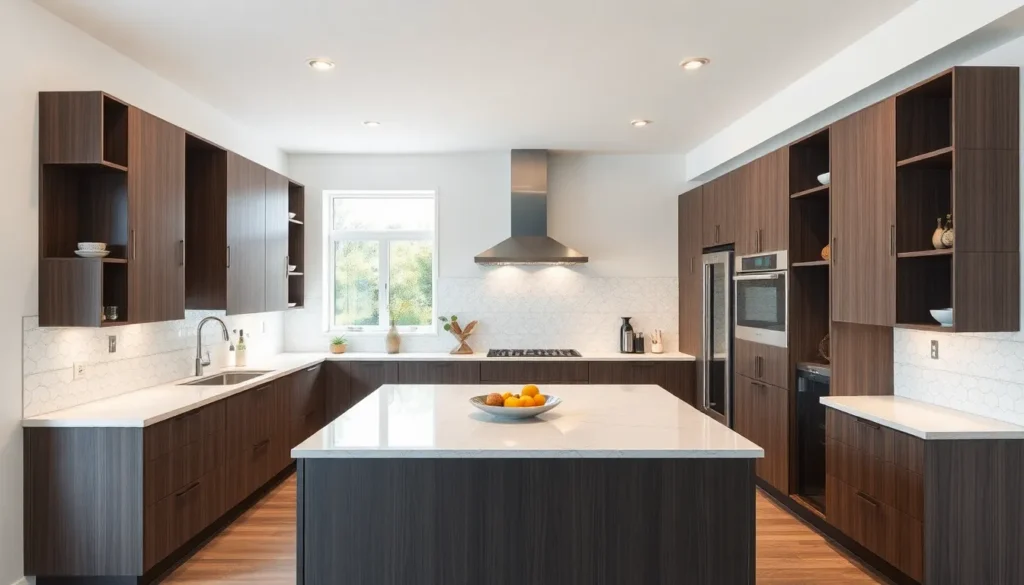
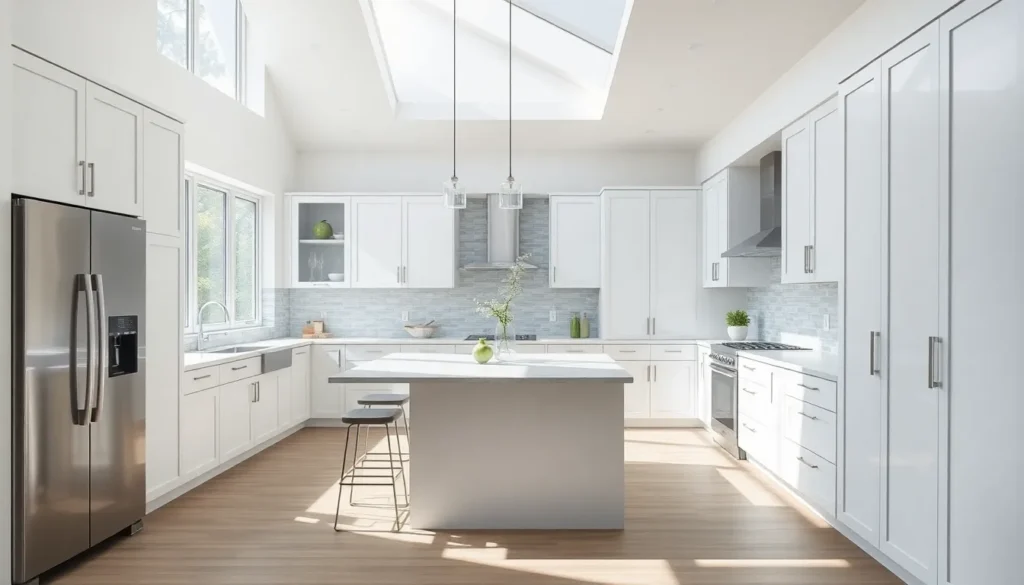
Kitchen remodeling offers significant advantages, transforming not just the space but also enhancing the home’s appeal and functionality. The following points illustrate the specific benefits associated with remodeling.
Increased Home Value
Kitchen remodeling significantly boosts home resale value. Remodeling journal data shows that homeowners recoup approximately 70% to 80% of their renovation costs upon selling. Updated kitchens attract buyers, as they prioritize modern appliances and efficient layouts. Recent studies revealed that homes with remodeled kitchens sell faster than those with outdated interiors, making a remodel a strategic investment for long-term value.
Improved Functionality
Remodeling enhances a kitchen’s functionality through efficient layouts and updated features. By optimizing space with smart design elements—like cabinetry that maximizes storage and counter space—homeowners can improve workflow. Integrating modern appliances increases efficiency, allowing for quicker meal preparation. Customizing work areas ensures that the kitchen meets the homeowner’s unique lifestyle and cooking needs.
Enhanced Aesthetics
A remodeled kitchen elevates aesthetic appeal and creates a welcoming environment. Fresh materials, contemporary finishes, and cohesive design elements reflect personal style while enhancing visual impact. Homeowners often choose trends like open shelving or unique backsplash tiles, which serve as focal points. Such improvements not only enrich the space but also create an inviting atmosphere for family and guests.
Popular Kitchen Remodeling Trends
Kitchen remodeling trends evolve to meet functionality, style, and environmental considerations.
Open Concept Designs
Open concept designs prioritize space and connectivity. Homeowners often opt for layouts that merge the kitchen with dining and living areas, promoting a social environment. This design eliminates walls and barriers, allowing for seamless interaction among family and guests. A key benefit includes enhanced natural light, significantly brightening the entire area.
Smart Kitchen Technology
Smart kitchen technology integrates convenience and efficiency into modern kitchens. Utilizing smart appliances, such as refrigerators with touch screens and ovens controllable via smartphone, streamlines meal preparation. Voice-activated devices also enable hands-free control of lighting and music, elevating the kitchen experience. Energy management systems assist in optimizing energy usage, contributing to lower utility bills and a more sustainable home environment.
Sustainable Materials
Sustainable materials gained traction in kitchen remodeling due to environmental awareness. Homeowners increasingly choose options like reclaimed wood, bamboo cabinetry, and recycled countertops. These materials not only minimize environmental impact but also provide unique aesthetics. Furthermore, utilizing low-VOC (volatile organic compounds) paints and finishes improves indoor air quality, ensuring a healthier kitchen space.
Budgeting for Kitchen Remodeling
Budgeting serves as a crucial element in kitchen remodeling, guiding homeowners through cost estimates and financing options. Accurate financial planning ensures a successful renovation without unexpected expenses.
Cost Estimates
Cost estimates vary based on multiple factors such as size, materials, and labor. An average kitchen remodel ranges from $20,000 to $50,000, depending on project specifics. Key components influencing costs include:
- Cabinetry: Custom cabinets can cost between $500 to $1,500 per linear foot, while stock cabinets range from $100 to $300 per linear foot.
- Countertops: Granite and quartz countertops typically range from $50 to $200 per square foot; butcher block options might start around $30 per square foot.
- Appliances: Quality appliances can range from $2,000 to $10,000, with high-end brands often exceeding stated prices.
- Labor: Installation may account for 20% to 35% of the total budget, influenced by complexity.
Gathering multiple quotes from contractors helps ensure competitive pricing, and detailed estimates break down each element for transparency.
Financing Options
Various financing options support kitchen remodeling projects, catering to different financial situations. Homeowners can explore:
- Home Equity Loans: Utilizing the equity built in a home, these loans often offer lower interest rates than personal loans.
- Personal Loans: Unsecured loans allow homeowners to borrow without collateral, generally featuring quick approval processes.
- Credit Cards: Some may elect to use credit cards for smaller expenses, though high-interest rates can lead to higher total payments.
- Government Programs: Certain local programs and grants support renovations, especially those focused on energy efficiency or low-income assistance.
Evaluating financing options ensures homeowners choose the best plan aligning with their budget and financial goals.
Steps in the Kitchen Remodeling Process
The kitchen remodeling process involves several essential steps, each pivotal for achieving desired results. Proper planning, skilled contractors, and execution lead to a successful transformation.
Planning and Design
Planning involves assessing current kitchen layouts and envisioning a new design that improves both aesthetics and functionality. Homeowners should establish a budget and prioritize must-have features, such as improved storage and modern appliances. Selecting materials, colors, and styles that reflect personal taste plays a critical role in creating a cohesive look. Collaborating with designers can provide valuable insights into maximizing space and incorporating the latest trends, ensuring a well-thought-out design that meets practical needs.
Choosing Contractors
Choosing the right contractors starts with researching local professionals and reading reviews from previous clients. Obtaining multiple quotes from different contractors helps in making informed decisions. Asking for portfolios that showcase previous work can provide an understanding of craftsmanship and style. Establishing clear communication and verifying credentials, such as licenses and insurance, builds trust. Building a solid working relationship with the selected contractor often ensures smoother project execution and adherence to timelines.
Execution and Finishing
Execution entails precise coordination among contractors to tackle tasks like demolition, installation, and finishing touches systematically. Adhering to the established timeline is vital, and regular check-ins help maintain progress. Final inspections ensure that all work meets quality standards and aligns with the original design. Adding finishing touches like hardware, lighting fixtures, and decor completes the project, enhancing functionality while elevating visual appeal. Proper cleanup and final walkthrough guarantee a seamless transition into the newly remodeled kitchen.