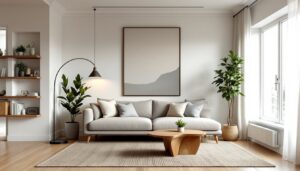
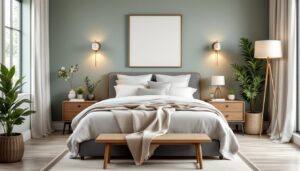
Refreshing your home doesn’t require a contractor’s budget or interior designer’s license, just a willingness to see potential in what you’ve got. Whether you’re staring at blank walls, tired furnishings, or a layout that hasn’t changed since 2015, house decor ideas are closer than you think. This guide walks you through practical, actionable approaches to transform your space, from small accent walls to DIY projects that cost less than a dinner out. You’ll find strategies that work whether you’re tackling fall decor for autumn ambiance, redefining home interior ideas for seasonal shifts, or giving your walls decor a meaningful refresh. The projects ahead are doable solo or with a friend, and none demand fancy design credentials.
Table of Contents
ToggleKey Takeaways
- House decor ideas don’t require a designer’s budget—practical projects like accent walls and DIY furniture painting create dramatic impact for under $100.
- Apply the 60–30–10 color rule to create cohesive spaces: 60% dominant neutral, 30% secondary color, and 10% accent color for visual balance.
- Accent walls opposite the main light source, gallery walls with coordinated frames, and strategic lighting instantly transform your home interior design.
- Budget-friendly updates like throw pillows, textiles, and live plants refresh seasonal décor while maintaining a minimalist foundation without permanent changes.
- Test paint colors on your actual walls at different times of day, and invest in quality materials like enamel paint and proper anchors for durable, professional results.
- Start small with one project at a time—intentionality and quality pieces beat expensive, impersonal makeovers for creating a home that genuinely reflects your lifestyle.
Modern Minimalist Décor for Clean, Clutter-Free Spaces
Minimalist décor doesn’t mean your home looks like a hotel lobby, it means intentionality. Every piece you keep earns its place. Start by removing items that don’t function or spark genuine joy: this clears visual noise and lets quality pieces breathe. Neutral palettes (whites, grays, warm beiges) create a calm foundation, but they shouldn’t feel sterile.
Color Theory Basics for Your Home
Understanding color relationships helps you make deliberate choices instead of guessing. The 60–30–10 rule works beautifully for minimalist spaces: 60% dominant color (typically a neutral), 30% secondary color (a supporting tone), and 10% accent color (a pop that draws the eye). For example, a room with 60% warm white walls, 30% soft gray furniture, and 10% muted sage green accents feels cohesive, not bland.
Color temperature matters too. Cool tones (blues, greens, purples) feel calm and spacious: warm tones (yellows, oranges, warm reds) feel cozy. A north-facing room that lacks natural warmth benefits from warm neutrals: a south-facing room drowning in sun can handle cooler palettes. Don’t chase trendy colors that’ll feel dated in two years, choose neutrals you genuinely like living with, then shift accents seasonally.
Light plays a critical role. A color looks entirely different in morning light versus evening incandescent bulbs. Test paint samples on your actual walls and observe them at different times before committing.
Accent Walls and Statement Pieces
An accent wall, one wall painted a contrasting color or finished differently, instantly adds depth without overwhelming the room. Choose the wall opposite the room’s main light source so the color reads richly, not flat. A darker tone (charcoal, deep teal, forest green) creates drama in larger rooms: lighter pastels work better in smaller spaces where dark walls can feel cramped.
Fall decor thrives on accent walls. A burnt orange or deep burgundy wall with simple white trim and wood-toned furniture creates authentic autumn atmosphere without cardboard pumpkins. Statement pieces amplify this: a large mirror, oversized art, or sculptural lighting fixture draws attention and anchors the room’s design. These don’t need to be expensive, thrift stores and online marketplaces overflow with compelling finds.
Walls decor extends beyond paint. Shiplap (horizontal wood boards), wallpaper, or fabric panels add texture that paint alone can’t deliver. If walls are your blank canvas, use them strategically. A gallery wall of framed prints, maps, or family photos personalizes a space without feeling scattered. Keep frames in one or two finishes (black and natural wood, or white and brass) for cohesion rather than mixing five different styles.
DIY Projects to Personalize Your Décor
Simple projects yield outsized impact. Painting existing furniture, nightstands, bookcases, cabinet doors, costs $30–50 in paint and primer but looks like you hired a designer. Use quality paint (not craft paint: grab exterior or furniture enamel from a hardware store) and sand the piece lightly with 120-grit sandpaper first so paint adheres properly. Prime with a bonding primer if the surface is glossy or dark, then apply two coats.
Custom shelving transforms walls decor. Install floating shelves using wall studs (most durable) or heavy-duty anchors if studs aren’t available. Space shelves 12–18 inches apart vertically for visual rhythm. Style them with a mix of heights: books standing and laying flat, small plants, containers, and white space. Overcrowding shelves defeats minimalist goals.
Another approachable project: creating a gallery wall. Lay everything on the floor first, move pieces around until you’re happy, then measure carefully and mark stud locations with a stud finder before drilling. Anchor hung items properly, don’t rely on flimsy nails for anything heavier than a poster. Wire art hangers are more adjustable than fixed brackets if you want flexibility. Home interior ideas often pivot around how walls function as display or breathing space: gallery walls accomplish both.
Budget-Friendly Updates That Make a Big Impact
Lighting transforms mood for under $100. Swap out overhead fixtures for warm-toned LED bulbs (2700K color temperature reads warmer and more inviting than harsh 5000K). Add task lighting with clip lamps or floor lamps so you’re not reliant on a single overhead source. Dimmer switches let you adjust ambiance, install one yourself if the existing switch supports it, or hire an electrician (a one-hour job costs $75–150 depending on your area).
Textiles anchor a room inexpensively. Throw pillows, blankets, and area rugs add color, texture, and comfort without permanent installation. A neutral base palette (cream, gray, white) with seasonal accent pieces lets you refresh for fall decor by swapping in burnt orange and mustard pillows, then rotating them back out in spring. Quality rugs define spaces and dampen sound: look for wool blends or polypropylene that resist staining without breaking the budget.
Plants bring life and soften hard edges. Real plants improve air quality and require minimal investment, a small fiddle leaf fig or pothos trailing from a shelf costs $10–20 and grows over time. If you lack a green thumb, faux plants work too: choose realistic silk over plastic if you’re concerned about aesthetics. Research house and interior design ideas reveals that greenery consistently elevates spaces regardless of budget tier.
Seasonal Décor Refresh Tips
Fall decor offers the easiest seasonal pivot. Swap summer’s light linens for heavier fabrics in rust, burgundy, and gold tones. Bring in natural elements: branches in vases, dried grasses, small gourds. None of these need to scream “Halloween”, subtle seasonal touches feel more curated than over-the-top transformations. A collection of minimalist living room ideas shows how restrained color and texture changes keep spaces feeling intentional year-round.
Rotate art and accessories seasonally without repainting. Swap throw pillow covers, move a mirror from one wall to another, or introduce a narrow console table that doubles storage and surface area for seasonal décor. This approach keeps your space dynamic without requiring major renovation.
Storage matters when juggling seasonal items. Clear, labeled bins in a closet or basement let you know exactly what you’re rotating and prevent buying duplicates. A small seasonal collection, 12–15 pieces, refreshes a room without requiring an entire makeover. Homedit showcases architecture and furniture design ideas that demonstrate how layers of intentional pieces, seasonal or permanent, create depth without clutter. Your home interior ideas should evolve with the seasons while maintaining a coherent design foundation.
Conclusion
House decor ideas work best when they align with how you actually live. Start small, one accent wall, new lighting, a gallery wall, and observe what shifts your mood. You don’t need to overhaul everything at once. Quality, intentionality, and a willingness to try beat expensive, impersonal makeovers every time. Your home should reflect you, whether that’s minimalist and calm or cozy and layered with seasonal touches. The projects here cost time more than money, and the skills you build, painting, hanging, styling, translate to confidence for whatever comes next.