Home decoration is more than just arranging furniture and hanging pictures, it’s about creating a space that reflects who you are while remaining functional and inviting. Whether you’re tackling a single room or a whole-house refresh, the approach remains the same: thoughtful planning, smart material choices, and attention to detail. In 2026, homeowners are moving beyond generic Pinterest inspiration toward personalized, layered design that mixes budget-friendly finds with statement pieces. This guide walks you through the key decisions, from color selection to lighting strategy, so you can transform any room without hiring a designer or very costly. Let’s get started.
Table of Contents
ToggleKey Takeaways
- Apply the 60-30-10 color rule—60% dominant color, 30% secondary, and 10% accent—to create cohesive home decoration without visual chaos.
- Test paint swatches (2×2 feet) at different times of day before committing; $5–10 sample pots prevent costly $300 painting mistakes.
- Layer three lighting types—ambient, task, and accent—with dimmable bulbs and wall sconces at 60 inches from the floor to shape room atmosphere without harsh overhead fixtures.
- Create a floor plan on graph paper with scaled furniture cutouts to test layouts before moving heavy pieces and ensure proper traffic flow.
- Mix budget-friendly finds from thrift stores ($20–50) with DIY projects like painted frames or peel-and-stick wallpaper to achieve quality home decoration on a limited budget.
- Hang artwork at 57–60 inches from the floor and use a 3:1 ratio of empty space to décor to avoid clutter and create sophistication.
Choosing the Right Color Palette for Your Home
Color sets the emotional tone of a room before furniture or accessories land. Start by identifying your base color, typically a neutral wall shade that will anchor the space. Warm neutrals like beige, warm gray, or soft taupe work well in living areas and bedrooms, while cooler grays pair nicely with modern or minimalist schemes.
Once your base is set, add accent colors using the 60-30-10 rule: 60% dominant color (walls/large furniture), 30% secondary color (larger accessories, upholstery), and 10% accent color (pillows, artwork, small décor). This prevents visual chaos while keeping the room cohesive.
Test paint colors before committing. Paint 2×2-foot swatches on your walls and observe them at different times of day, morning light behaves differently than evening, and artificial lighting shifts color perception entirely. Cheap sample pots cost $5–10 and save you from a $300 painting mistake.
Furniture Arrangement and Layout Strategies
Room decoration begins with layout. Measure your space first: length, width, doorways, windows, and any fixed elements like radiators or built-ins. Sketch a simple floor plan on graph paper (one square = one foot works fine), then cut out scaled furniture rectangles to test arrangements without moving heavy pieces.
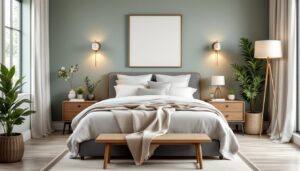
For bedroom decoration design, position the largest piece, usually a bed, where it creates visual balance and isn’t directly across from the bedroom door if possible. Nightstands should flank the bed, with lamps at a natural eye level when lying down. Dressers work best opposite the bed or perpendicular to it, leaving floor space for movement.
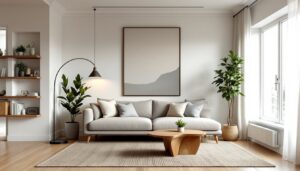
In living areas, arrange seating to encourage conversation: sofas and chairs facing each other, with a coffee table at the center. Leave at least 18–24 inches of walkway on both sides of major furniture pieces. Don’t push everything to the walls, floating furniture in the room’s center creates intimacy and better traffic flow. For smaller spaces, choose multi-functional pieces like storage ottomans or nesting tables to maximize utility without clutter.
Budget-Friendly Decor Solutions
Quality decoration doesn’t require premium pricing. Start with thrift stores, estate sales, and online marketplaces for vintage furniture, mirrors, and frames, often $20–50 compared to $200+ new. Look for solid wood pieces that can be refreshed with paint or stain: avoid particle board that won’t sand or refinish cleanly.
For affordable room decoration, DIY is your friend. Paint existing frames with metallic finishes, create gallery walls with a mix of cheap poster frames, or make throw pillow covers from budget fabric. A fresh coat of paint on an old dresser or nightstand costs $15 in materials but delivers massive visual impact in bedroom decoration.
Walls themselves are a canvas: peel-and-stick wallpaper runs $20–40 per roll and requires no adhesive or tools beyond a smoothing tool. Removable wall decals work for renters or those hesitant about permanence. Hang plants at varying heights using rope and hooks, greenery costs $5–15 per plant but fills vertical space without furniture investment. Budget chains often carry inexpensive throw blankets, pillows, and small accents that anchor a room’s color scheme for under $10 each.
Lighting Design for Ambiance and Functionality
Lighting shapes how you experience a decorated room. Layer three types: ambient (overall brightness, ceiling fixtures or overhead lights), task (focused light for reading, cooking, or work, desk lamps, under-cabinet strips), and accent (mood lighting, wall sconces, string lights, or candlelight).
Overhead fixtures alone create harsh shadows and feel institutional. Instead, install wall sconces at approximately 60 inches from the floor on either side of a bed or mirror for flattering light that minimizes glare. Use dimmable bulbs and fixtures where possible, lowering brightness from 100% to 30% dramatically changes room atmosphere without rewiring.
LED bulbs now come in color temperatures from 2700K (warm, yellowish) to 5000K (cool, bluish). Bedrooms and living areas benefit from 2700K warmth, while kitchens and offices suit 4000K neutral white. Track lighting works well for renters: mount it on the wall (not ceiling), adjust angles to highlight artwork or dark corners, and remove it when you move. String lights and table lamps are cheap ($15–50) and instantly soften a space compared to modern home decor ideas from experienced design sources relying solely on overhead fixture.
Adding Personal Touches With Artwork and Accessories
Artwork anchors a room and expresses personality. Hang a single large piece (30×40 inches or larger) or create a gallery wall with 5–9 smaller frames arranged symmetrically or asymmetrically. Measure the wall’s center point, then hang artwork so its center sits at 57–60 inches from the floor, the average eye level.
Frame styles matter: black or natural wood frames suit modern or minimalist decoration: ornate or gold frames work for traditional or eclectic schemes. Mix frame sizes and mat colors for visual interest. Thrift stores stock cheap frames: swap the art inside for personal photos, fabric scraps, or botanical prints from budget art sites.
Accessories are the spice of home decoration. Throw pillows in varying textures (linen, velvet, knit) add depth, invest in quality inserts ($10–15 each) and rotate affordable covers seasonally. Mirrors expand light and perceived space: position a large mirror opposite a window or light source. Baskets, blankets, and small plants fill gaps without permanent changes. Keep a ratio of 3 parts empty space to 1 part décor to avoid clutter, it’s tempting to fill every surface, but restraint creates sophistication.
Seasonal and Trending Decoration Updates
Refresh your space seasonally without major overhauls. Swap throw pillow covers ($5–20 each), swap artwork, and adjust lighting warmth. Spring calls for light, airy palettes and fresh greenery: fall invites warm tones, texture, and muted golds. This keeps decoration fresh while protecting larger investments.
In 2026, expect continued interest in sustainable and secondhand pieces, biophilic design (plants and natural materials), and bold accent walls. Moody colors like deep forest green, navy, and charcoal remain popular and work beautifully as bedroom decoration backdrops. Maximalism, layered textures, patterns, and colors, is having a moment alongside minimalism: the key is intentionality, not randomness.
Artisanal and handmade items also trend upward. Look for locally made ceramics, woven textiles, and carved wood pieces that add warmth industrial or mass-produced furniture lacks. Interior design inspiration galleries often showcase trend-forward ideas without pushing a single commercial brand. Check design blogs quarterly to stay current while avoiding dated trends that age quickly.
Conclusion
Successful home decoration combines intentional planning with personal expression. Start with basics: color, layout, and lighting. Layer in affordable, thrifted, or DIY pieces that reflect your style and function. Avoid the trap of following trends slavishly, the most livable spaces balance timeless bones with evolving seasonal touches. Whether you’re designing a single room or an entire home, these principles guide confident, budget-conscious choices that stand up to time and use. Your space should feel like you live there, not like a showroom.