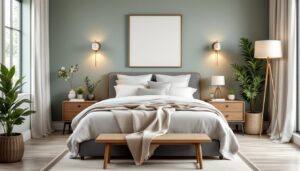
Your bedroom is more than just a place to sleep, it’s your personal sanctuary. Whether you’re starting from scratch or refreshing an outdated space, choosing the right bedroom interior ideas sets the tone for relaxation and restful nights. From sleek modern minimalism to warm farmhouse charm, the design styles that work best in 2026 balance aesthetics with genuine comfort. This guide walks you through seven proven bedroom decoration design approaches, including color strategies, lighting layers, and textile choices. You’ll find practical ideas for living rooms, lounge decor concepts, and how to avoid common design mistakes that leave spaces feeling cold or cluttered.
Table of Contents
ToggleKey Takeaways
- Minimalist bedroom interior ideas prioritize intentional design with neutral palettes, low-profile furniture, and built-in storage to create spacious, clutter-free sanctuaries.
- Farmhouse and rustic styles thrive on natural materials, layered textiles, and a few statement pieces that create warmth without overwhelming the space.
- Warm lighting (2700–3000K color temperature) combined with soft blues, greige, and neutral wall colors promote better sleep and relaxation.
- Layered lighting using ambient, task, and accent light sources with dimmer controls allows you to adjust bedroom ambiance for different times of day and activities.
- High-quality textiles—including breathable cotton percale, linen, or moisture-wicking bamboo—paired with floor-length curtains and properly sized rugs anchor the room and enhance comfort.
- Industrial chic bedrooms balance dark, moody tones with light bedding and strategic lighting to prevent the space from feeling cave-like while showcasing exposed brick or metal accents.
Modern Minimalist Bedroom Design
A minimalist bedroom starts with one rule: every item earns its place. Rather than filling walls with decor, the focus lands on the bed itself, positioned centrally on the main wall with clear circulation space of 24–28 inches around key furniture pieces. This breathing room isn’t luxury: it’s functional layout that prevents the space from feeling cramped.
The palette stays neutral: whites, grays, beige, greige (that gray-beige hybrid), and black accents. If you add a secondary color, keep it subtle, think a soft sage or muted blue. Furniture choices reflect restraint: low-profile platform beds, handle-less wardrobes, floating nightstands, and wall-mounted shelves. Materials matter here too. Go for smooth wood with matte lacquer finishes, glass, and minimal hardware. The goal isn’t sterility: it’s intentional design where every line and surface has purpose.
Many homeowners discover that minimalist bedrooms are easier to keep clean and feel larger than traditionally decorated spaces. Clutter accumulates slowly, so establish storage systems early, built-in closets, under-bed drawers, or floating shelves, to prevent the room from sliding into chaos.
Cozy Farmhouse and Rustic Elements
Farmhouse style thrives on a lived-in, warm aesthetic using natural materials and vintage-inspired pieces. Reclaimed wood, exposed beams, woven baskets, and linen textiles form the backbone. If you’re willing to tackle a structural project, shiplap or beadboard walls add authentic character: if not, shiplap-look peel-and-stick panels deliver the look without fastening boards to studs.
Furniture speaks comfort: a solid wooden bed frame, perhaps a bench or storage trunk at the foot, and simple nightstands. Colors lean warm, creams, soft whites, taupe, and muted blues or greens, with black or iron accents for contrast. Textiles are layered: quilts, oversized knit blankets, and throws draped casually over the bed. Pair these with simple botanical artwork, ceramic lamps, and cotton or linen curtains. Research house and interior design ideas through detailed home images to see how successful farmhouse bedrooms mix textures without looking chaotic.
The key is restraint. Farmhouse isn’t about filling every inch with decorative objects. Instead, choose a few statement pieces, a wrought-iron headboard, a vintage mirror, a ceramic pitcher, and let them breathe. The overall effect should feel like stepping into a comfortable, unhurried space where you actually want to spend time.
Industrial Chic Bedrooms
Industrial style borrows from converted lofts and old warehouses: raw, unfinished, and unapologetically bold. Exposed brick or concrete, metal bed frames, weathered wood, and visible pipes (where structurally possible and not plumbing-related) define the aesthetic. If your walls aren’t naturally brick, exposed concrete paint or brick-veneer panels create the illusion without removing drywall.
Color schemes run dark and moody: charcoal, black, gray, and brown as base tones, with accent colors like rust, deep blue, or mustard yellow. Furniture choices include metal nightstands, factory-style pendant lighting, and leather accent chairs. Artwork tends toward bold, unframed pieces or black-and-white photography. Unlike minimalism, industrial can feel heavier, so balance dark walls with light bedding (white or cream linens) and adequate task lighting to prevent the room from feeling like a cave.
Metal hardware and fixtures are authentic touches, look for unlacquered brass or cast-iron pieces at salvage shops or online marketplaces. The style works particularly well in bedrooms with high ceilings, concrete floors, or existing architectural character. If you’re working with drywall and carpet, industrial elements still apply, but the effect will feel less authentic unless you commit to substantial finishes like concrete overlay flooring or brick accent walls.
Color Palettes and Paint Ideas
Wall color sets the mood for the entire bedroom. Calming neutrals, warm whites, ivory, and beige, work for nearly any style and age well as tastes change. These shades expand small spaces visually and provide a canvas for bedding, artwork, and textiles. Greige (a gray-beige blend) has become popular because it bridges warm and cool undertones, preventing that sterile feeling pure gray sometimes creates.
For a bedroom specifically designed for sleep and relaxation, soft blues, blue-greens, and muted greens consistently rank highest among sleep experts. These cool tones lower heart rate and signal the nervous system to wind down. Deep, moody colors, navy, charcoal, forest green, work too, but require paired light bedding and strategic lighting to avoid the space feeling like a cave. Many designers apply the 60–30–10 rule: 60 percent of the room in your main color (typically walls), 30 percent in a secondary color (bedding, rug, curtains), and 10 percent in accent tones (pillows, lamps, artwork).
For a focal point, try an accent wall behind the bed, paint, wallpaper, paneling, or even wood slats add texture and visual interest without overwhelming the room. If you’re painting, use a quality interior paint with primer included and allow 48–72 hours for curing before moving furniture back. Semi-gloss or satin finishes are more durable than flat, but flat paint conceals wall imperfections better. Explore paint colors and for inspiration grounded in real installations.
Lighting and Textiles for Bedroom Ambiance
Textiles, bedding, curtains, rugs, and throws, form the comfort layer of your bedroom. High-quality sheets make a measurable difference in sleep quality. Cotton percale feels crisp and cool: sateen is softer and has a slight sheen. Linen wrinkles intentionally and offers a relaxed, textured look: bamboo and TENCEL fabrics wick moisture and feel silky. Thread count matters up to about 600: beyond that, you’re paying for marketing.
Curtains should reach the floor to visually heighten ceilings and soften the room. Blackout or lined options block light for better sleep, especially if street lights or early sun affect your rest. Rugs should be large enough to extend 18–24 inches beyond the bed’s sides on both long sides, anchoring the space and adding warmth underfoot. Layer your bed with sheets, a duvet or comforter, and a quilt or throw for both function and visual appeal.
Lighting deserves equal attention. Bedroom bulbs should run 2700–3000K color temperature, that warm, yellowish light that feels relaxing rather than clinical. Cooler bulbs (5000K+) suppress melatonin production and interfere with sleep, so save those for kitchens and home offices. Layered textiles and warm light together create the ambiance that transforms a bedroom from functional to genuinely inviting.
Layered Lighting Techniques
Proper lighting uses three layers. Ambient lighting, your ceiling fixture, semi-flush mount, or soft pendant, provides general illumination. Task lighting lives at the bedside: a lamp on the nightstand, a wall-mounted swing-arm sconce, or an adjustable pendant on either side of the bed. These should have brightness control so you can read comfortably or dim them for sleep. Accent lighting adds visual interest: LED strips under the bed frame or behind a floating headboard, picture lights above artwork, or a small table lamp on a dresser.
Multiple switches give you control without getting out of bed. If your bedroom has only one ceiling switch, add a 3-way switch or wire in a remote control dimmer. Smart bulbs let you adjust color temperature and brightness by time of day, helping your body’s circadian rhythm. This means cooler, brighter light in morning and warm, dim light by evening.
Fabric Choices for Comfort and Style
Bedding is where comfort meets design. Cotton percale offers a crisp, breathable option that feels fresh (ideal for warm climates). Sateen provides a subtle sheen and softness, luxurious underfoot. Linen brings rustic, textured charm and breathability, though wrinkles are part of the character. Bamboo and TENCEL appeal to those seeking eco-friendly, moisture-wicking options with a smooth, cool feel.
Layering lets you adapt to seasons without replacing everything. A fitted sheet, flat sheet, duvet cover, and a lightweight throw offer flexibility. In farmhouse or rustic bedrooms, add decorative pillows, shams that match your duvet, lumbar pillows for back support, and accent pillows in complementary textures. In minimalist rooms, limit pillows to what you actually use: too many pillows contradict the aesthetic.
Upholstered headboards add softness and visual weight to the bed’s focal point. An upholstered bench at the foot of the bed or accent chair in the corner gives you a place to sit while dressing and layers in additional texture. Research minimalist bedroom ideas that blend aesthetics with practicality to see how successful designs balance fewer items with purposeful fabric choices that add comfort without clutter.