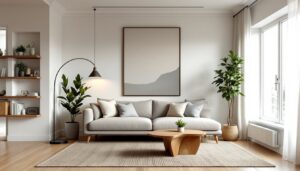
Picking a living room theme is one of the smartest moves you can make when tackling home decor. Instead of randomly adding pieces and hoping they work together, a cohesive theme gives you a clear direction, making decisions about furniture, color palettes, and accessories straightforward. Whether you’re refreshing a tired room or starting fresh, living room theme ideas rooted in proven design principles help you create a space that actually works for how you live. The good news? You don’t need a designer’s budget or a degree in interior design to pull it off. In this guide, we’ll walk through seven modern living room theme ideas that range from minimal and serene to eclectic and bold, plus practical steps to carry out your chosen style.
Table of Contents
ToggleKey Takeaways
- A cohesive living room theme ideas strategy gives you clear direction for furniture, color, and accessories, eliminating guesswork in home decor decisions.
- The best living room themes balance style with how you actually live—minimalism won’t work with young kids, and coastal retreats feel forced in dark rooms.
- Quality foundational pieces (sofa, rug, lighting) should anchor your chosen theme, while lower-cost accessories allow flexibility and refinement over time.
- Each major theme—from minimalist modern to bohemian eclectic—relies on specific color palettes, materials, and lighting to create its intended atmosphere.
- Gather inspiration intentionally by identifying what emotionally draws you to a theme (calm, creativity, warmth) rather than randomly collecting design images.
- Implement your theme gradually through a phased approach: start with paint and color testing, then invest in key pieces, and layer in accessories as budget allows.
Minimalist Modern Living Room
Minimalist living rooms are built on the principle of intentionality: every piece earns its place. Start by choosing a neutral color palette, think whites, grays, blacks, and soft beiges. This foundation creates visual calm and makes any accent color pop when you need it.
Furniture selection is critical here. Opt for low-profile sofas without unnecessary ornamentation, paired with simple wood or metal frames. Skip the decorator throw pillows: if you use them, stick to one or two in solid colors. Storage is essential, use built-in shelving or closed cabinetry to keep clutter hidden. Floating shelves can display a few carefully chosen items (a plant, a book, a small sculpture) rather than collections.
For living room decor inspo in the minimalist space, focus on quality over quantity. One large abstract artwork beats a gallery wall every time. Lighting should be functional and sculptural, a sleek floor lamp or pendant fixtures do double duty. The minimalist approach doesn’t mean cold or empty: it means editing ruthlessly so each element genuinely contributes to comfort and aesthetics. Many find this theme refreshing because it reduces visual noise and the mental burden of maintaining too many items. You can reference minimalist living room ideas from design experts for further inspiration on clean layouts and thoughtful material choices.
Warm Scandinavian Comfort
Scandinavian design brings coziness without sacrificing simplicity. The core palette consists of whites, soft grays, and warm earth tones, think warm-white trim, natural wood floors, and pale wool accents. This approach feels inviting, not sterile.
Focus on natural materials and their honest appearance. Light wood furniture (birch, oak, or pine in their natural finish) pairs beautifully with soft textiles. Layer in quality wool rugs, linen curtains, and knit blankets. The key is mixing textures while keeping colors muted. Add warmth through hygge-inspired elements: candlelight, a small indoor plant, and comfortable seating that invites lounging.
For living room furnishing ideas following Scandinavian principles, prioritize functionality and durability. Storage solutions should be practical and visually simple, think low credenzas or light wood shelving. Artwork tends toward understated black-and-white photography or abstract pieces. Lighting is crucial: Scandinavian rooms often feature multiple soft light sources (pendant lamps, wall sconces, table lamps) to combat shorter daylight hours. This theme works well if you live somewhere with long winters or simply prefer warmer, lived-in spaces over sterile minimalism.
Industrial Chic Design
Industrial living rooms celebrate raw, unfinished materials and functional design roots. The aesthetic pulls from old factories and warehouses, think exposed brick, concrete, steel beams, and weathered wood. If your home has original architectural bones (exposed ductwork, brick walls), you’re already halfway there.
Color palette in industrial spaces runs to grays, blacks, and warm metallics. Furnishings feature metal frames, reclaimed wood, and leather upholstery. A steel-framed shelving unit becomes art. Edison bulb pendant lights or vintage industrial sconces provide task lighting and visual interest. The rougher and more authentically worn materials look, the better they fit the theme.
For living room decor inspo with industrial flair, vintage and reclaimed pieces are your friends. Hunt for metal-and-wood coffee tables, leather sectionals, or authentic factory stools. Mix in a few decorative elements: metal wall art, vintage signage, or a gallery of black-and-white architectural photography. One common mistake is making industrial spaces feel cold or incomplete. Balance raw materials with comfortable seating, warm lighting, and personal touches. A cozy throw blanket over a leather sofa or a simple plant on a steel shelf softens the look without compromising the aesthetic.
Coastal Retreat Aesthetic
Coastal living rooms evoke the calm of the seaside, bright, airy, and naturally relaxed. The color story centers on soft blues, whites, sandy beiges, and seafoam greens. Large windows that let in natural light are ideal, but good window treatments (light linen curtains rather than heavy drapes) maintain the open feel.
Furniture should feel casual and durable. Light wood pieces, natural rattan, or whitewashed wood work beautifully. Upholstery in whites, soft stripes, or nautical patterns fits the theme without screaming “beach house” (avoid heavy nautical clichés). Textiles matter: linen, cotton, and jute create that breezy sensation. A few well-placed coastal elements, a driftwood accent, woven baskets, or coral-colored ceramics, anchor the theme.
For living room furnishing ideas in a coastal style, keep sightlines clear and clutter minimal. Storage should blend in (built-in cabinetry in soft whites or light wood). Lighting is best when it mimics natural sunlight, warm-white LEDs in simple fixtures. Wall decor might include beach photography, abstract nautical art, or a statement mirror to bounce light. This theme is ideal if you want to bring seaside calm to any climate. The relaxed, unpretentious vibe encourages leisure without feeling overly designed.
Mid-Century Modern Elegance
Mid-century modern design has enduring appeal because it balances functionality with sculptural beauty. Popular from the 1940s through 1960s, this aesthetic remains fresh and sophisticated. The palette includes warm woods (walnut, teak), warm neutrals, and bold accent colors, mustard yellow, burnt orange, or forest green.
Key furniture pieces feature tapered legs, clean lines, and organic shapes. An iconic mid-century sofa pairs with a sculptural lounge chair and a minimalist wooden coffee table. Credenzas and sideboards provide storage with visual interest. Lighting is statement-making: an arc floor lamp, pendant lights with geometric shades, or a sunburst wall clock can anchor the room.
When exploring living room decor inspo through a mid-century lens, quality matters. Authentic or well-made reproductions of classic pieces elevate the space. Wall color is typically warm and neutral, with bold pops applied through upholstery, artwork, or accessories. You can reference contemporary home design collections to see how modern interpretations of mid-century themes work in today’s homes. Keep the room from feeling like a museum by mixing in personal items, contemporary art, and layered lighting. This theme appeals to those who appreciate timeless design that doesn’t feel stuffy or overly retro.
Bohemian Eclectic Living
Bohemian living rooms are about self-expression, comfort, and layering textures and colors without matching everything. Unlike minimalism, boho thrives on collected items, vintage pieces, and global influences. Color palettes are warm and layered, terracotta, deep reds, golds, jewel tones, and warm neutrals coexist.
Furniture is an eclectic mix: a vintage Turkish rug might anchor a room with mismatched seating (a leather sofa, a velvet chair, floor cushions). Macramé wall hangings, beaded curtains, and woven tapestries add texture and personality. Storage is styled rather than hidden, open shelving displays books, plants, and collected treasures. Plants are essential: boho spaces feel alive because they’re filled with greenery.
For living room furnishing ideas that embrace bohemian style, the trick is intentional eclecticism rather than clutter. Each piece should have story or personality, and colors should harmonize even if patterns don’t match. Lighting is moody and warm, string lights, paper lanterns, or vintage lamps create ambiance. Wall color might be warm white, soft gray, or even a muted jewel tone. This theme works if you’re a collector who loves mixing periods, cultures, and styles. The key is balance: enough personality to feel lived-in, but thoughtful enough to avoid chaos. You’ll find interior design inspiration showcasing bohemian spaces that blend color, texture, and collected pieces beautifully.
How to Choose and Implement Your Theme
Start by assessing your space honestly. Look at your room’s natural light, architecture, existing furniture, and how your family actually uses the space. A minimalist theme won’t work if you have kids who need accessible toy storage: a coastal retreat might feel forced in a dark, north-facing room.
Gather inspiration deliberately. Pinterest and design websites are helpful, but collect images from your favorite theme and study commonalities: color patterns, material types, lighting approaches. Ask yourself what draws you to each theme, is it the feeling of calm, creativity, warmth, or something else?
Carry out gradually rather than overhauling overnight. Start with a color palette (paint one wall to test if needed, sample pots are affordable). Next, invest in one or two quality foundational pieces (a sofa, a rug, primary lighting) that define your theme. Layer in secondary pieces and accessories as budget allows. This phased approach lets you refine decisions and avoid costly mistakes.
Budget strategically. Allocate your funds to pieces that get heavy use and set the visual tone: furniture, paint, and primary lighting. Accessory items (throw pillows, artwork, plants) are less expensive and easier to swap if you change direction.
Remember: your living room theme should reflect how you actually live, not an unrealistic lifestyle image. The best theme is one you’re excited to come home to every day.