Planning a living room refresh doesn’t require a contractor’s budget or a design degree. Whether you’re starting from scratch or tweaking what you’ve got, solid living room ideas and living decor ideas can shift your entire home’s feel. The right layout, color palette, and furniture arrangement create a space that’s both functional and genuinely inviting. This guide walks through practical design approaches, from modern minimalist to warm traditional, along with concrete tips for small spaces, smart color choices, and lighting strategies. You’ll find actionable advice to match your style and constraints, so you can tackle this project with confidence.
Table of Contents
ToggleKey Takeaways
- Living room ideas for modern minimalist spaces prioritize neutral foundations, low-profile furniture with clean lines, and strategic storage to create an airy, intentional feel.
- Warm traditional living areas rely on texture, classic furniture silhouettes, rich color palettes like cream, burgundy, and forest green, plus wood elements to build cozy, inviting spaces.
- Small living spaces require multifunctional furniture, vertical storage solutions, mirrors for light reflection, and intentional negative space to prevent overcrowding.
- A cohesive color scheme starting with one dominant neutral, a secondary color, and one or two accent tones creates visual cohesion throughout your living room.
- Effective furniture arrangement begins with identifying your focal point (TV, fireplace, or window) and orienting seating toward it to create an intentional, naturally gathering space.
- Layered lighting combining ambient, task, and accent light sources with dimmers allows you to shift mood and functionality throughout the day in any living space.
Modern Minimalist Living Rooms
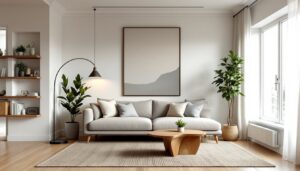
Minimalist living rooms hinge on a single principle: every piece earns its place. Start with a neutral foundation, white, gray, beige, or taupe, and let clean lines define the space rather than busy patterns or ornaments.
Choose low-profile furniture with slim frames and raised legs: sofas and chairs with spindly, exposed legs feel less heavy than skirted pieces. A gray linen sectional with simple square arms and tapered wooden legs, for example, keeps sightlines open and the room feeling airy. Avoid tufting, deep button details, or rolled arms: save those for traditional spaces.
Storage is critical here. Built-in shelving, floating wall cabinets, or a slim credenza with hidden compartments keep surfaces clear. A single large piece of artwork, think an abstract canvas or black-and-white photograph, serves as your focal point instead of a gallery of smaller prints. One sculptural floor lamp with a neutral shade and a pothos plant in a plain ceramic pot round out the decor. That’s restraint done right, and it’s what makes minimalist lounge decor ideas so effective.
Warm and Cozy Traditional Spaces
Traditional living areas rely on texture, classic furniture silhouettes, and warm color stories. Think rolled-arm sofas, wingback chairs, and wood coffee tables with carved or paneled details. Fabric matters: wool area rugs, chenille throw blankets, and linen cushions layer softness and tactile warmth.
Palette-wise, warm tones dominate. Creams, soft golds, rust, burgundy, navy, and forest green create richness without feeling heavy. A cream linen sofa paired with a burgundy velvet armchair and a navy ottoman builds depth through color play. Add florals, plaids, or damask patterns on curtains or a few throw pillows, restraint prevents pattern overload.
Anchor the room with a strong focal point. A fireplace is ideal: if you don’t have one, a large framed landscape, family gallery wall, or statement bookcase works. Wood elements, a walnut bookcase, mahogany side table, add warmth and age-old appeal. Brass or bronze hardware and lighting fixtures complete the traditional aesthetic. This approach defines warm living decor ideas that invite people to stay and linger.
Maximizing Small Living Rooms
Small living areas demand smart choices. Multifunctional furniture is non-negotiable: a sofa bed doubles as guest seating and sleeping space, nesting tables stack when not needed, and storage ottomans hide blankets while serving as footrests. Wall-mounted floating shelves and tall, narrow bookcases draw the eye upward, using vertical space that floor area can’t afford.
Keep circulation pathways clear, aim for 30–36 inches of walking space. Avoid oversized sectionals or overstuffed pieces that dominate the room. Instead, a modest sofa with a single accent chair and a slender side table work harder. Mirrors opposite windows bounce light around and make the space feel larger: light colors on walls and a reflective gloss finish on trim amplify this effect.
Leave some breathing room intentionally. Don’t fill every corner: negative space prevents that crammed, overwhelming feel. A console table behind a sofa can hold a lamp and a single potted plant, useful and uncluttered. This restraint is central to successful living area decor ideas for compact homes.
Color Schemes and Accent Walls
A cohesive color scheme ties your living room together. Start with one dominant neutral (white, gray, or warm beige), add a secondary color (soft blue, sage green, or terracotta), and include one or two accent tones that appear in textiles or decor.
Accent walls work best when paired with purpose. Paint the wall behind your sofa, the fireplace wall, or the TV wall in a deeper hue, charcoal, navy, forest green, or deep terracotta. The surrounding walls stay neutral, framing the accent and avoiding an overwhelming effect. In minimalist spaces, choose desaturated, soft colors: traditional rooms tolerate and benefit from richer, fuller tones.
Consider coordinating your accent wall with flooring and large furniture. If you have light oak floors and a gray sofa, a terracotta or soft sage accent wall complements both without clashing. Textiles, curtains, area rugs, throw pillows, echo one or two colors from your palette, creating visual cohesion. Modern design professionals frequently, which show how neutral bases and one accent color can anchor an entire room.
Furniture Arrangement and Layout Tips
Room layout starts with identifying your focal point. Is it a TV, a fireplace, or a large window with a view? Orient your main seating, sofa and chairs, toward that focal point so people naturally gather there and the room feels intentional.
Use an area rug to define your seating zone. The front legs of your main furniture pieces should sit on the rug: it anchors the grouping and signals “this is the living area.” In a small room, place larger pieces (sofa, console) against walls to maximize floor space, then tuck a single armchair or wingback into a corner for reading.
Maintain clear pathways between zones. If your living area connects to the kitchen or hallway, keep 30–36 inches of clear walking space so the room doesn’t feel blocked. For traditional layouts, aim for symmetry, matching lamps on side tables, a centered focal-point artwork. Modern spaces tolerate asymmetrical arrangements: a sofa and two chairs of different styles and sizes can look intentionally casual and current. Apartment living spaces benefit from this flexible approach, where room dimensions often demand creative problem-solving.
Lighting, Decor, and Final Touches
Layered lighting makes or breaks a living room. You need three types: ambient (ceiling fixture or recessed lights for overall brightness), task (reading lamps on side tables), and accent (wall sconces, LED strips behind floating shelves). Dimmers on ambient lights let you shift mood throughout the day.
Fixture style depends on your aesthetic. Minimalist spaces call for simple silhouettes, a sleek pendant, a floor lamp with a straight pole and neutral linen shade. Traditional rooms suit warmer metals (brass, bronze) and classic shapes (a crystal or antique brass chandelier, lantern-style sconces).
Decor should be purposeful, not filler. A few cushions in solid or subtly patterned fabrics, one or two pieces of wall art, a single statement vase or sculpture, and live plants (pothos, snake plants, or succulents in plain pots) add interest without clutter. Maximize natural light with sheer linen or cotton curtains and minimal heavy drapes.
Design inspiration from trusted, reinforcing that restraint and intention yield the most livable interiors. Finish your space with pieces that matter, a handmade ceramic bowl, a photograph you love, a single throw blanket in a rich texture, rather than decorative objects you don’t connect with.
Conclusion
Your living room is the heart of your home, and thoughtful design doesn’t demand perfection or expense. Whether you lean modern minimalist, warm traditional, or something in between, start with a clear focal point, anchor your layout with an area rug, and layer your lighting. Choose a cohesive color scheme, invest in quality furniture pieces that fit your space, and keep surfaces and walls intentionally spare. Use these living area decor ideas as a starting point, adjust them to your lifestyle, and build a room you actually want to spend time in. The best living rooms feel like an extension of who you are, functional, inviting, and genuinely yours.