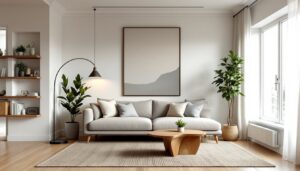
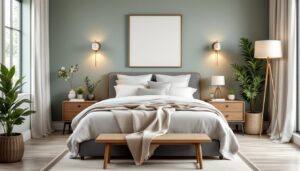
Your front room sets the tone for your entire home, it’s the first thing guests see, and it’s where you unwind at the end of the day. Whether you’re calling it a living room, lounge, or formal sitting area, this space deserves thoughtful design that balances aesthetics with everyday livability. The good news? You don’t need a designer’s budget or months of renovation work to completely transform it. With smart choices about color, furniture, textures, and focal points, homeowners can create a front room that feels cohesive, inviting, and uniquely theirs. This guide walks you through practical living room style ideas and lounge decorating ideas that work whether you’re starting from scratch or refreshing what you’ve got.
Table of Contents
ToggleKey Takeaways
- Use the 60-30-10 color rule—one dominant color, a secondary color, and a 10% accent color—to create a cohesive front room decor foundation.
- Layer window treatments with sheer panels and main drapes to control natural light and make the room feel larger and more inviting.
- Choose furniture based on how your family actually uses the space rather than trends, and always measure before buying to ensure proper scale and balance.
- Mix textures and patterns strategically with one large-scale pattern, one medium, and one small or solid to add visual interest without overwhelming the room.
- Create a focal point using an accent wall, gallery wall, or statement piece to draw the eye, and incorporate low-maintenance plants like pothos and snake plants for warmth.
- Combine natural elements like reclaimed wood and woven materials with practical storage solutions to build a front room that’s both beautiful and functional.
Choose A Cohesive Color Palette
A solid color foundation is the first step to any unified front room. Instead of picking random colors you like, think about how they interact. Designers swear by the “60-30-10 color rule” to coordinate any room, use one dominant color for 60% of the space (usually walls or large furniture), a secondary color for 30%, and an accent color for the remaining 10%.
Start by choosing your dominant color. Neutral walls, soft whites, warm grays, or muted beiges, give you the most flexibility and make the room feel larger. If you’re ready to commit to color, consider the room’s natural light and your personal style. North-facing rooms benefit from warm tones, while south-facing ones can handle cooler hues.
Your secondary color should complement, not compete. If your walls are neutral, this might be your sofa color or a painted accent wall. The 10% accent color is where personality shines, throw pillows, artwork, or a side table in jewel tones or bold shades add visual pop without overwhelming the space.
Maximize Natural Light With Window Treatments
Light is a free design tool, and good window treatments let you control it throughout the day. Heavy velvet drapes aren’t the only option anymore, layering is key. Pair sheer curtains or a light linen panel behind your main drapes or roller shades, so you can filter harsh midday sun without losing the view or going full blackout.
Measure your windows properly: curtains should hang from the ceiling to the floor (or just kiss the floor) to elongate the wall vertically. If you’re renting or hesitant about permanent changes, tension rods and removable panels work just fine. When choosing fabrics, light, natural materials like linen or cotton let diffused light through and feel less heavy than synthetics.
For small front rooms, avoid dark or thick drapes that eat up visual space. A crisp white or soft gray roller shade paired with lightweight linen panels opens the room while keeping function intact. The goal isn’t to block light, it’s to shape it.
Select Furniture That Balances Style And Function
Your sofa and key seating are the anchors of a front room. Rather than buying based on Instagram appeal alone, think about how your family actually uses the space. Do you watch TV? Host dinner parties? Need room for kids and pets to sprawl? That reality drives your furniture decisions more than any trend.
Scale matters enormously. A sectional that looks great in the showroom can swallow a modest living room. Measure your space, mark out furniture placement with tape, and sit on a chair or couch in the store or test it at home before committing. A sofa should leave breathing room between it and the wall, at least 18 inches is ideal.
Mix one statement piece (a bold sofa, an upholstered ottoman, or a sculptural chair) with simpler, grounded pieces in neutral tones. This prevents the room from feeling chaotic while keeping it visually interesting. Interior design tips suggest, which is exactly what works in real living rooms too. Storage ottomans, side tables with shelves, and media consoles that pull double duty keep clutter at bay while maintaining clean lines.
Layer Textures And Patterns For Visual Interest
A room with only smooth, flat surfaces feels sterile. Texture is what makes a space feel lived-in and warm. Start with your soft goods: a chunky knit throw, a linen pillow cover, a wool area rug, and a velvet cushion all feel different and look different.
When layering patterns, follow a rule: one large-scale pattern, one medium pattern, and one small or solid. Think a geometric area rug (large), striped pillows (medium), and a solid throw blanket. This gives visual interest without chaos. Mix matte and shiny finishes too, a glossy ceramic vase next to a woven basket, or a polished side table beside a rough jute runner.
Don’t forget about vertical texture. A shiplap accent wall, a jute wall hanging, or wainscoting (if you’re up for a bigger project) adds dimension without cluttering surfaces. Budget home makeovers and, a fresh coat of matte paint, new curtains, and layered textiles can completely shift how a room feels for under $500.
Incorporate Wall Decor And Focal Points
Every room needs at least one focal point, something that naturally draws the eye when you walk in. This might be a fireplace, a large window, a gallery wall of art, or an accent wall. If your front room doesn’t have a natural focal point, create one. A accent wall behind your sofa, a bold wallpaper feature, or a floor-to-ceiling bookcase all work.
When hanging art, resist the urge to place everything at a uniform height. Group pieces at varied heights, leaving 2 to 3 inches between frames for balance. Center a gallery wall on your wall’s midline (roughly 57 inches from the floor), not on eye level from a standing position, people view art while sitting in a living room.
Wall color itself is decor. An accent wall in a deeper shade, warm tone, or even a subtle pattern behind your main seating area creates instant focus. Paint coverage depends on your wall size and finish: a gallon of quality interior paint covers roughly 350 square feet in one coat. If you’re painting over a bold color, primer is non-negotiable, two coats often needed to avoid bleed-through. Test paint colors on a large swatch card, tape it to the wall, and observe it at different times of day.
Add Greenery And Natural Elements
Plants soften a room and improve air quality, they’re practically free design upgrades. You don’t need a green thumb to make this work: start with low-maintenance varieties like snake plants, pothos, or ZZ plants that tolerate varying light and irregular watering.
Group plants in odd numbers (3 or 5) at varying heights to create visual rhythm. A tall plant in a corner, medium-height plants on shelves, and trailing varieties on high shelves all contribute without overdoing it. Use pots in neutral or complementary colors, terra cotta, ceramic, or woven baskets keep plants from feeling clinical.
Natural elements go beyond plants. A reclaimed wood coffee table, a stone side table, or a woven wall hanging bring organic texture and warmth. These materials age beautifully and pair well with both modern and traditional lounge decorating ideas. A few branches in a tall vase, a driftwood shelf, or a leather ottoman all ground a space in natural materials that feel intentional, not trendy.
Conclusion
Transforming your front room doesn’t require a complete overhaul. Starting with a cohesive color palette, smart furniture choices, and layered textures creates a space that’s both beautiful and functional. The best lounge decorating happens when you combine design principles with how you actually live, mixing statement pieces with practical storage, balancing color and neutrals, and letting natural light work for you. Your front room should feel like home, not a showroom. Build it thoughtfully, adjust as you go, and don’t be afraid to experiment with the living room style ideas that resonate with your family.