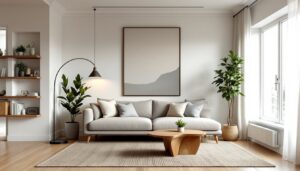
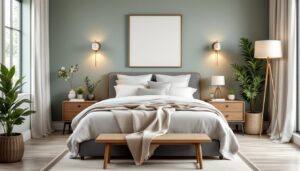
A lounge room decor refresh doesn’t require a contractor or a blank check, it starts with understanding what makes a space feel inviting and functional at the same time. Whether you’re working with a corner of your living room, a dedicated den, or a full-sized lounge, the principles remain consistent: color, furniture, lighting, texture, and organization working in concert. This guide walks you through practical lounge room decor ideas that you can carry out gradually or all at once, depending on your timeline and budget. You’ll learn how to layer elements like a pro without the Pinterest-speak, and how to avoid the common mistakes that leave a room looking “done” but not lived-in.
Table of Contents
ToggleKey Takeaways
- Lounge room decor ideas work best when color, furniture, lighting, texture, and organization combine to create both inviting and functional spaces.
- Build your color palette with a 60-30-10 rule: 60% neutral base, 30% secondary accent color, and 10% pops of color through accessories and art.
- Invest in quality seating with proper support (20–24 inch seat depth and solid frames) rather than compromising comfort for style.
- Layer three types of lighting—ambient, task, and accent—with separate controls to set mood and provide flexibility without relying on a single overhead fixture.
- Add texture through rugs, throws, and cushions in varied materials to transform flat spaces into lived-in rooms that feel both polished and genuine.
- Maximize storage with vertical shelving, ottomans with hidden compartments, and intentional organization systems that keep surfaces 60% clear and clutter-free.
Choose the Right Color Palette
Color sets the emotional tone of your lounge, think of it as the foundation of every other design choice that follows. A neutral base of warm whites, soft grays, or warm taupes provides flexibility and keeps the space from feeling dated in two years. This doesn’t mean boring: warm neutrals with undertones of cream or beige feel more inviting than cool, sterile grays.
Once you’ve settled on a base, add a secondary color that reflects the mood you want. Cool blues and soft greens promote calm and work well for bedrooms or meditation spaces. Warm terracottas, ochres, and muted reds create energy and coziness. The 60-30-10 rule works here: 60% dominant (your main neutral), 30% secondary (an accent wall or large furniture piece), and 10% pop (throw pillows, art, small decor items).
For bedroom decor ideas, softer, more muted tones, blush pinks, dusty blues, or sage, help create a restful environment. Test paint samples on your walls and observe them at different times of day: artificial light and natural light will shift how colors read. If you’re renting or hesitant about commitment, consider removable wallpaper or simply let your furniture and textiles carry the color story. The goal is a palette that feels cohesive without feeling theme-park designed.
Select Comfortable and Stylish Furniture
Your main seating piece, sofa, sectional, or chaise, should prioritize comfort first, aesthetics second. This is where people actually sit for hours, so don’t sacrifice support for a slim silhouette. Look for pieces with proper seat depth (ideally 20–24 inches), firm but cushioned backs, and solid frames. Hardwood frames are more durable than particleboard: eight-way hand-tied springs or high-density foam last longer than cheap foam that compresses in a year.
For bedroom furnishing ideas, consider multifunctional pieces like an upholstered bench at the foot of the bed or a low ottoman that doubles as storage. Pairing your sofa or main seating with accent chairs creates conversation zones without overcrowding. A single quality accent chair in a complementary fabric beats three cheap chairs that wear out unevenly. Scale matters too, a tiny loveseat in a large lounge makes the room feel awkwardly sparse: an oversized sectional in a small room swallows the space. Measure your doorways and the actual path furniture will take when delivering to your home before ordering.
Mix material finishes to add interest: a wood-legged sofa paired with a metal-frame accent chair and a leather ottoman creates visual layering without clashing. Fabric durability varies widely: performance fabrics and microsuede resist staining better than linen or velvet if you have kids or pets. Budget accordingly, mid-range quality often delivers better value than the cheapest or most expensive extremes.
Layer Your Lighting for Ambiance and Function
Most lounge rooms fail at lighting because they rely on one overhead fixture, which flattens the space and limits mood control. Layer three types: ambient (overall room brightness), task (focused light for reading or working), and accent (highlighting art or architectural features).
Start with a dimmer-controlled ceiling light or track system for ambient brightness. Add task lighting via table lamps on side tables flanking your seating or a floor lamp tucked in a corner for reading. Position task lights at roughly 15 inches above seated eye level to avoid glare. Accent lighting might be a picture light above wall art, recessed lights highlighting a shelf, or even string lights along a bookcase for a softer, layered feel.
Bulb temperature matters: warm white (2700K) creates coziness and works well in lounges: cool white (4000K) is better for task-heavy spaces. LED bulbs save energy and run cool, so you can use them in enclosed fixtures without heat buildup. A mix of pendant lights, track fixtures, and table lamps gives you flexibility to adjust the atmosphere depending on time of day or mood. Avoid placing all lights on a single switch: separate controls let you dim ambient while keeping task lights on, or vice versa.
Add Texture and Depth With Rugs and Throws
Texture is the secret weapon that transforms a flat, styled room into one that feels genuine and layered. A lounge without throws and layered textiles looks incomplete, even with perfect color and furniture.
Start with a quality area rug, ideally 8×10 feet for a standard lounge, sized so that at least the front legs of your seating sit on the rug. This grounds the space and defines the seating zone. Natural fiber rugs (jute, sisal, wool) age beautifully but show stains: synthetic or wool blends resist dirt better. Darker colors or patterns hide wear longer than light solids. Anchor the rug with a solid-colored sofa if your rug has pattern, or reverse it: patterned sofa on a neutral rug.
Throws and cushions add comfort and visual interest. Layer different textures, a chunky knit throw draped over one arm, a smooth velvet pillow, a linen cushion cover, a faux fur accent piece. This variety makes the space feel lived-in and inviting. Bedroom decor inspo often includes a throw blanket folded at the foot of the bed or draped over a bench, the same principle applies to a lounge. Cotton, linen, and wool are durable: delicate silks or faux furs work for accent pieces. Mix patterns sparingly: if using two patterns, keep one as a small accent and the other larger and more dominant.
Incorporate Wall Art and Decorative Accents
Wall art anchors a lounge and gives your eyes a focal point beyond the furniture. A large, cohesive piece (48×36 inches or larger) or a gallery wall of smaller frames works, but avoid the cliché of undersized art floating in empty space. Art should be hung at eye level, roughly 57–60 inches from floor to center of the piece, and positioned 12 inches above a sofa backrest or furniture piece.
Choose art that resonates with your palette and mood. Abstract or landscape pieces work universally: photography, minimalist prints, or even textile art add personality. Modern living room design ideas show the power of statement artwork anchoring entire color schemes. If you’re not ready to commit to originals, high-quality prints or canvas reproductions deliver the visual impact at a fraction of the cost.
Decorative accents, plants, books, sculptural objects, and framed photos, fill shelves and surfaces without clutter. Group objects in odd numbers (three or five) for visual balance, and vary heights and materials. A tall plant in one corner, a stack of books with a small sculpture on top, and a ceramic vessel create interest. Keep surfaces 60% clear to avoid looking cluttered: this is harder than it sounds but essential. Living room decor inspo often includes greenery, and indoor plants genuinely improve air quality while softening hard architectural lines.
Maximize Space With Smart Organization
Even a well-decorated lounge feels chaotic without organization systems. Storage doesn’t have to be visible, consider built-in shelving, a media console with closed storage, or ottomans and benches that open to hide blankets and remotes. Budget home makeovers and DIY decor projects often highlight the transformative power of simple storage solutions paired with refreshed decor.
Use vertical space aggressively. Floating shelves above a sofa hold art books and decorative objects without eating floor space. A tall bookcase tucked into a corner serves double duty: storage and visual height. Baskets and boxes under side tables contain remotes, magazines, and throw pillows, keeping surfaces clear and intentional.
Cable management is often overlooked but makes a huge difference. Route TV and lamp cords behind furniture or use cord covers in neutral tones. Designate a home for every item: remote controls in a small drawer or tray, throw blankets folded in a basket, books sorted by color or size. This isn’t about rigid perfection, it’s about making cleanup fast enough that you’ll actually do it. Cozy living room decor ideas consistently show organized, intentional spacing rather than overcrowded rooms. A lounge that’s easy to maintain is a lounge you’ll actually enjoy.
Conclusion
Lounge room decor ideas become actionable when you focus on the fundamentals: a cohesive color story, quality seating, layered lighting, textured fabrics, purposeful art, and smart storage. You don’t need to overhaul everything at once. Start with one or two changes, a fresh paint color and a new throw, or improved lighting and an accent chair. Each addition builds on the last, and your lounge will evolve into a space that feels both polished and genuinely yours. The best lounge room is one you’ll actually use and enjoy, not one that looks perfect but feels cold.