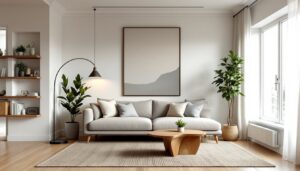
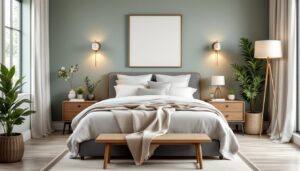
Your living room is often the heart of your home, where you unwind after a long day, entertain guests, and spend time with family. But creating a space that feels both beautiful and functional doesn’t require a designer’s budget or a complete teardown. Whether you’re looking for living room style ideas, lounge decorating ideas, or smart living room accessories ideas, the key is starting with a clear plan and building thoughtfully. This guide walks you through seven practical interior ideas for your living room that work regardless of your space’s size, shape, or current condition. Each approach focuses on real-world results rather than fleeting trends, so your investment in time and resources pays off for years to come.
Table of Contents
ToggleKey Takeaways
- Choose a focal point like a fireplace, window, or accent wall to anchor your interior ideas for living room design and guide all other decorating decisions.
- Layer three types of lighting—ambient, task, and accent—with dimmers to transform your living room’s atmosphere and functionality throughout the day.
- Apply the 60-30-10 color rule to balance a primary neutral, secondary color, and accent color, creating visual harmony without overwhelming the space.
- Arrange furniture to form natural conversation zones 8–10 feet apart and float pieces away from walls to make the room feel more intimate and functional.
- Add depth and warmth through mixed textures and strategic patterns in textiles, rugs, and curtains that complement your color palette.
- Integrate multi-functional storage solutions like bookcases, ottomans, and baskets that keep your living room organized while contributing to the overall design aesthetic.
Choose a Focal Point and Build Around It
Every strong living room starts with a focal point. This could be a fireplace, a large window with a view, a built-in bookcase, a feature wall, or even a statement piece of furniture. The focal point anchors your design decisions and gives the eye somewhere to rest.
If you don’t have an obvious architectural focal point, create one. A fireplace mantel with layered decor, a gallery wall of artwork, or a substantial entertainment center can serve the same purpose. Paint an accent wall in a deeper tone, add shiplap or wallpaper, or install floating shelves to draw attention to that area.
Once your focal point is set, arrange other furnishings to complement it rather than compete with it. Your sofa typically faces the focal point, and secondary seating angles toward it. This creates natural conversation flow and makes the room feel intentional rather than scattered. For living room style ideas, remember that the focal point doesn’t need to be expensive, it just needs to be deliberate.
Maximize Lighting for Ambiance and Function
Lighting makes or breaks a living room. Poor lighting makes even a beautifully decorated space feel unwelcoming, while good lighting transforms the entire atmosphere.
Plan for three types of lighting: ambient (overall room brightness), task (reading, gaming, or working), and accent (highlighting decor or architectural features). A single overhead fixture isn’t enough. Start with ambient light from a ceiling fixture or recessed lights, then layer in task lighting, table lamps on side tables, a floor lamp in a reading corner, or a desk lamp if you work from that space. Finally, add accent lighting with wall sconces, LED strips behind shelving, or uplighting on plants.
Choose bulbs thoughtfully. Warm white (2700K) bulbs create a cozy feel, while neutral white (4000K) works better for task-focused areas. Install dimmer switches where possible so you can adjust brightness to match the time of day and your mood. For lounge decorating ideas, remember that layered lighting gives you flexibility, you can create an energizing afternoon space or a relaxing evening retreat in the same room. Resources like 20 Best Living Room offer curated examples of how to balance ambient, task, and decorative lighting effectively.
Select a Cohesive Color Palette
A cohesive color palette ties a living room together and prevents the space from feeling chaotic. You don’t need to stick to one color, instead, choose a primary color (usually a neutral like gray, beige, or white), one or two secondary colors, and an accent color for pops of visual interest.
The 60-30-10 rule is a practical guide: 60% of your space in your primary color (walls, larger furniture), 30% in your secondary color (throw pillows, curtains, a bookshelf backing), and 10% in your accent color (artwork, decorative objects, a side chair). This creates balance without overwhelming the room.
Consider the mood you want. Cool grays and blues feel calm and sophisticated, while warm neutrals like taupe and cream create coziness. If you’re drawn to bolder colors, use them as accents rather than painting all four walls. Test paint samples on your walls and observe them at different times of day, lighting changes how colors appear. For living room accessories ideas, remember that textiles and decor items are easier to swap than paint if you want to adjust your palette later.
Arrange Furniture for Flow and Comfort
Furniture arrangement affects how the room functions and feels. Start by measuring your space and key pieces, note wall lengths, window placement, and architectural features like doors and radiators.
The goal is to create conversation zones. Position seating (sofa, chairs, ottoman) so people can talk face-to-face comfortably, typically 8 to 10 feet apart. Float furniture away from walls if your room is large enough: this makes the space feel less formal and more intimate. Leave pathways clear so traffic flows naturally without people squeezing past the sofa.
Scale matters. A small loveseat overwhelms a tiny room, while a oversized sectional disappears in a large loft. Choose pieces that fit your room’s proportions and your actual lifestyle. If you rarely entertain, you don’t need room for eight people. Conversely, if you have kids or pets, durable, kid-friendly furniture makes more sense than a pristine white sectional. Interior design tips from MyDomaine emphasize that the best arrangement reflects how you actually use the space, not how you think you should use it.
Add Texture and Pattern Through Textiles
Texture and pattern add visual interest and tactile warmth to a living room. Textiles, throw pillows, area rugs, blankets, and curtains, are the easiest way to introduce these elements without committing to permanent changes.
Mix textures: pair a smooth linen sofa with a chunky knit throw, add a soft faux fur pillow, layer a geometric patterned rug over hardwood. This creates depth and prevents the room from feeling flat. Use patterns strategically, one patterned rug, one or two patterned pillows, and patterned curtains are usually enough. If patterns compete, they overwhelm: if everything matches, it feels sterile.
For lounge decorating ideas, natural fibers like wool, jute, and cotton age beautifully and wear well. Velvet, linen, and leather add sophistication. Curtains shouldn’t just hang in front of windows, they frame the room and should complement your color palette and style. Rugs define seating zones and absorb sound, making conversations easier in large or hard-floored rooms. Rotate seasonal textiles (heavier fabrics in winter, lighter ones in summer) to refresh the space without expense.
Incorporate Storage Solutions That Look Good
A cluttered living room feels cramped and uncomfortable, no matter how beautiful the bones are. Storage that doubles as decor keeps things organized while contributing to the design.
Built-in shelving or bookcases offer tremendous storage and display potential. Arrange books vertically and horizontally, intersperse with decorative objects, plants, and frames to break up solid blocks of books. Open shelving feels lighter than closed cabinets, while closed storage (ottomans with interiors, media console with drawers, cabinet with doors) hides remotes, blankets, and toys out of sight. Baskets fit neatly under side tables or in bookcase cubbies and hold throw blankets, magazines, or remote controls.
For living room accessories ideas, consider multi-functional pieces: a storage ottoman does double duty as seating and a hiding spot for extra pillows: a console table behind your sofa holds lamps and decor: nesting tables provide surface space and stack away when not needed. Home design inspiration from Home Bunch showcases how strategic storage keeps beautiful rooms functional for everyday living. The key is making storage feel intentional and coordinated with your overall design rather than an afterthought.
Conclusion
Transforming your living room doesn’t require a contractor or a six-month project timeline. By anchoring your design around a focal point, layering in flexible lighting, committing to a cohesive color story, arranging furniture thoughtfully, adding warmth through textiles, and building in smart storage, you create a space that works as hard as it looks good. Start with one or two changes, swap out throw pillows, add a new lamp, or rearrange furniture, and build from there. Your living room should reflect how you actually live, not an aspirational version of someone else’s home.