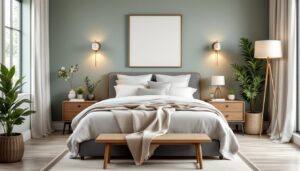
Your bedroom should feel like a retreat, not an afterthought. Bedroom decor ideas don’t have to mean expensive overhauls or lengthy renovations, they’re often about making intentional choices with color, texture, lighting, and layout that transform the space into somewhere you actually want to spend time. Whether you’re refreshing a tired master suite or carving out a cozy guest room, the right approach focuses on personal comfort and cohesion rather than chasing trends. This guide walks through practical, achievable ideas that blend form and function, so your bedroom works as hard as it looks good.
Table of Contents
ToggleKey Takeaways
- A cohesive bedroom color palette using the 60-30-10 rule (dominant, secondary, and accent colors) sets the foundation for all other design choices and creates the mood you want to achieve.
- Layering textures through quality bedding, area rugs, and soft furnishings transforms a flat bedroom into an inviting, visually rich space that feels intentional and comfortable.
- Strategic bedroom decor ideas should incorporate layered lighting with dimmers and warm color temperatures (2700K–3000K) to create a relaxing atmosphere that supports better sleep.
- Artwork and mirrors should cover approximately 40% of wall space to feel impactful; arrange pieces on the floor first with painter’s tape before hanging to ensure proper spacing and proportion.
- Smart storage solutions like floating nightstands, open shelving, and styled baskets should be visible and intentional, making storage feel like part of your design rather than visual clutter.
- Invest in quality bedding with thread counts between 300–600 and layer with complementary textures (percale sheets, linen pillows, chunky knit throws) to create both functional comfort and visual depth.
Choose a Cohesive Color Palette
Color sets the mood from the moment you walk in. A cohesive bedroom color palette acts as your foundation, everything else (furniture, artwork, textiles) builds from there. Instead of picking random colors you like, think about the feeling you want: calm and grounding, energetic, or warm and intimate.
Start by choosing a dominant wall color (usually 60% of the space), a secondary color for accents (30%), and a third accent color (10%) for pops without visual chaos. Neutral bases like soft grays, warm taupes, or creamy off-whites pair well with nearly any secondary color. If you prefer color-forward designs, 35 Winter Color Schemes That Will Warm Up Any Room offers palette inspiration you can adapt, think sage green with warm terracotta accents, or soft blue with cream and natural wood tones.
Paint finish matters too. Flat or matte finishes hide imperfections on walls, while satin or semi-gloss works better on trim because it’s easier to clean and more durable. Always prime walls before painting, especially if you’re covering dark colors or glossy surfaces. Use a quality roller and brush: cheap tools shed fibers and leave streaks that compound the headache later.
Layer Textures for Depth and Comfort
A monochromatic room feels flat. Layering different textures, linen, cotton, wool, wood, metal, creates visual interest and makes the space feel intentional and inviting.
Invest in Quality Bedding and Linens
Your bed is the focal point. Invest in sheets with a thread count between 300 and 600 (higher counts don’t always mean better quality, it’s about cotton grade). Look for 100% cotton sateen or percale weaves: percale is crisp and cool: sateen is silky and slightly warmer. Add a quality duvet or comforter (down, down alternative, or microfiber depending on your budget and allergies), then layer with throw pillows and a decorative throw blanket in complementary textures, a chunky knit throw paired with linen pillows and a smooth silk accent pillow, for example. This layering is central to modern bedroom furnishing ideas because it’s both functional and visually rich.
Add Area Rugs and Soft Furnishings
An area rug anchors the bed and adds warmth underfoot. A rug placed two-thirds under the bed frame (or one-third, depending on room size) feels balanced. Natural fibers like jute or sisal add texture and durability: wool rugs are soft, stain-resistant, and regulate temperature well. Size matters, too small and it feels disconnected: aim for at least a 5×7 or 6×9 depending on your floor plan. Curtains do more than block light: Bedroom Archives showcases how fabric choice and layering elevate a space. Linen curtains in soft tones diffuse light gracefully: blackout-lined options keep the room dark for better sleep. Pair them with a lightweight sheer for daytime softness.
Incorporate Statement Lighting
Lighting is functional and atmospheric. Most bedrooms rely on a single overhead fixture, which creates harsh, unflattering light and limited control. Layer your lighting instead: a dimmer-controlled ceiling fixture for general light, bedside lamps (table or wall-mounted) for task lighting and reading, and maybe recessed accent lights or a wall sconce for ambient mood.
Choose warm color temperatures (2700K or 3000K) for relaxation: cooler temperatures (4000K+) suppress melatonin and can interfere with sleep. Install a dimmer switch on your main overhead light, this is a straightforward electrical upgrade if you’re comfortable with basic wiring, though hiring a licensed electrician is the safe choice if you’re not. Bedside lights should be scaled to your nightstand size: oversized lamps look cartoonish, while tiny ones won’t light your book. A pendant light or small chandelier can replace a boring flush-mount fixture and instantly elevate the space, especially in a master bedroom or guest suite.
Maximize Wall Space and Artwork
Bare walls make a bedroom feel incomplete. Artwork, mirrors, and wall accents fill the void and anchor your color scheme. Wall accent ideas range from simple (a few framed prints) to bold (a gallery wall, wallpaper feature wall, or wall-mounted shelving). The key is proportion: artwork should cover about 40% of wall space to feel impactful without overwhelming the room.
A gallery wall works best above a dresser or console. Start by arranging pieces on the floor in your desired layout before hanging: mark positions lightly with painter’s tape or pencil. Use a level, measure twice, and ensure spacing is consistent (2–3 inches between frames looks intentional). A large mirror opposite a window reflects light and makes the room feel bigger, functional and decorative. Wallpaper on one accent wall (the wall behind the bed is classic) adds pattern and personality without the commitment of painting all four walls. Shiplap or peel-and-stick wallpaper are low-commitment options: traditional wallpaper requires careful prep and a smooth surface. Paint-grade wallpaper adds depth and texture with less commitment than patterned options.
Wall-mounted floating shelves add storage without taking up floor space, making them especially useful in smaller rooms. Ensure shelves are properly anchored to studs (not drywall alone) to handle the load safely, toggle bolts work if you can’t hit studs, but studs are always stronger.
Create Storage Solutions That Double as Decor
Storage that disappears into the room actually disappears, which defeats the purpose if you have a small bedroom. Smart storage is visible, intentional, and styled. Open shelving with neatly folded linens, woven baskets, and a few decorative objects looks intentional and gives you easy access.
Floating nightstands or wall-mounted shelves replace traditional bulky tables and free up floor space. Under-bed storage boxes (clear plastic for visibility or fabric-wrapped for aesthetics) stash off-season items without visual clutter. Built-in shelving around a window or in an alcove is a more permanent solution that requires basic carpentry skills, studs, shelves cut to size, and shelf brackets are straightforward if you’re handy and have a circular saw or can use a miter saw for clean cuts. Otherwise, a carpenter or contractor can handle it in a day or two. Dresser selection also matters: a low, open-back dresser feels lighter in the space than a tall, heavy piece, and ladder shelves behind it provide extra visual interest and functional storage.
Bedroom Decorating Ideas covers stylish approaches to storage and layout. The goal is storage that doesn’t feel like storage, coordinated colors, consistent sizing, and thoughtful styling make baskets and shelves part of your design rather than an afterthought.