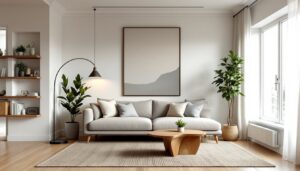
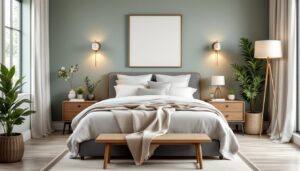
Whether you’re looking to refresh a tired living room or completely reimagine your bedroom, the right home decor ideas can transform any space from ordinary to extraordinary. The beauty of modern home interior ideas is that they don’t always require a professional designer or a massive budget, just smart choices and a willingness to experiment. In 2026, the trend is moving away from cookie-cutter aesthetics toward personalized, layered spaces that reflect who you actually are. This guide walks you through seven practical decoration home strategies that work for every room type, skill level, and budget. From color and lighting to storage and art, you’ll find actionable steps to elevate your home’s look and feel.
Table of Contents
ToggleKey Takeaways
- Home decor ideas don’t require a professional designer or large budget—bold accent walls, layered lighting, and mixed textures transform any space affordably in 2026.
- Layer three types of lighting (ambient, task, and accent) with dimmable LEDs and affordable fixtures ($15–100 each) to create mood and functionality in every room.
- Incorporate nature-inspired elements like houseplants, raw wood materials, and botanical wall art to add organic warmth and improve air quality without overwhelming your space.
- Maximize small spaces with vertical storage, floating shelves ($20–80 each), and dual-purpose furniture like wall-mounted desks that blend style with smart function.
- Personalize your home with gallery walls and statement pieces that reflect your authentic taste rather than trending aesthetics—even budget finds from thrift stores create genuine character.
- Mix textures, materials, and colors intentionally to add visual depth and richness; start with what you own and fill gaps strategically rather than buying everything new.
Embrace Bold Color Palettes and Accent Walls
Color is the fastest way to change a room’s personality, and 2026 is all about moving past safe beiges and grays. An accent wall, one wall painted in a bold, contrasting color, anchors a space and costs very little to execute. Choose a wall that naturally draws the eye: the wall behind your bed, the one facing your entry door, or the wall with existing architectural detail.
Before painting, measure the wall and calculate coverage. Most latex paints cover 350–400 square feet per gallon at two coats. For a typical bedroom wall (roughly 12 by 10 feet), you’ll need about a quart. Always buy an extra quart: you’ll use it for touch-ups, and paint batches vary slightly in tone.
Prep is everything. Fill holes with spackling compound, sand smooth, and prime any patched areas. Use painter’s tape along trim, ceilings, and floor baseboards to avoid sloppy edges. Apply two coats, waiting for the paint to dry between coats, don’t rush it or you’ll sacrifice color depth and coverage.
If a full accent wall feels too bold, try a color blocking approach instead: paint only the bottom third or upper half of a wall, or paint inside built-in shelving. This tones down the commitment while still adding visual interest. Consider pairing deep jewel tones (emerald, sapphire, plum) with warm neutrals, or go for earth-tone saturation with terracotta and ochre. Avoid colors that are trending on social media if they don’t align with your home‘s existing materials, what works in a photo shoot might clash with your real hardwood or cabinetry.
Layer Lighting for Ambiance and Functionality
Good lighting isn’t just about visibility, it’s about mood, and layering different light sources is the secret to a room that actually feels finished. Most rooms need three types of light: ambient (overall illumination), task (focused light for reading or cooking), and accent (highlights architectural features or decor).
Start with ambient light. A ceiling fixture alone is flat and unflattering. Add a floor lamp in a corner, a table lamp on a side table, or wall sconces flanking a mirror. Each fixture should be on its own circuit or dimmer so you control intensity. Dimmable LED bulbs are now affordable and give you flexibility without the electricity drain of incandescent.
Task lighting matters in kitchens, home offices, and bedrooms. Under-cabinet LED strips in a kitchen cost $20–60 and transform functionality. A desk lamp with a swivel arm keeps light exactly where you need it without casting shadows. Bedside reading lights (swing-arm wall sconces save nightstand space) are worth the install, they’re cleaner than a cluttered lamp situation.
Accent lighting adds drama. A small picture light above artwork, LED strip lighting behind floating shelves, or even a colored bulb in a corner fixture creates visual depth and sophistication without overwhelming the space. Visit modern interior design inspiration resources to see how professional designers layer light across different room types. The cost varies, dimmers run $15–40 each, LED strips $20–100 depending on length, but the impact is immediate and affects how every other decoration home element is perceived.
Mix Textures and Materials for Visual Depth
A room filled with smooth surfaces feels sterile. Mixing textures, rough linen, soft velvet, smooth ceramic, woven natural fiber, creates visual richness and actually makes a space more inviting. Texture doesn’t cost extra: it’s about thoughtful selection.
In a bedroom, layer a linen duvet with a chunky knit throw blanket and a couple of velvet or silk pillows. In a living room, pair a smooth leather sofa with a jute area rug, wool upholstered chairs, and a woven wall hanging. A smooth white shiplap wall gains personality when accessorized with a rough-hewn wood floating shelf and soft textile decor.
Materials matter too. Wood, metal, glass, ceramic, and stone each bring different visual weight. A room with all one material (say, all smooth drywall and plastic furniture) looks flat. But a wood shelf with glass vases, metal bookends, and ceramic pots adds complexity without clutter. The key is balance, you don’t want so many textures that the eye can’t rest.
Start by listing what you already own: Is your sofa smooth leather? Add a woven ottoman and linen curtains. Is your decor mostly cool-toned metals? Introduce warm wood tones or warmer brass finishes. This approach to house decor ideas doesn’t require buying everything new, it’s about strategic layering with what you have and filling gaps intentionally.
Incorporate Nature-Inspired Elements and Greenery
Plants aren’t just decoration: they improve air quality, add life to a room, and soften hard architectural lines. But they also require care, so choose species that match your light and attention level. A bright south-facing window suits succulents and snake plants, which need minimal watering. North-facing rooms with indirect light are perfect for pothos, philodendrons, or ZZ plants.
Beyond live plants, bring nature indoors through raw materials. A wooden cutting board propped on a kitchen shelf, a woven basket for storage, or a stone coaster set adds organic warmth. Natural wood furniture (even a small side table) creates grounding visual elements that synthetic materials can’t replicate. Reclaimed wood shelving or a live-edge wood accent piece brings authentic character.
Florals and botanicals also work as wall art. A framed botanical print, a pressed flower arrangement, or even a small wall-mounted plant pocket (they run $15–40) adds vertical greenery without floor space. Consider air plants, no soil needed, in glass orbs or mounted on wood. Resources like design inspiration websites showcase countless ways to integrate natural elements without overwhelming a modern space.
One caution: overwatering kills more houseplants than neglect. Water only when soil is dry 1–2 inches down. In winter, most plants need less water. If you’re frequently away, choose hardy, drought-tolerant varieties or install a simple drip irrigation timer (under $30) to keep larger plants happy.
Maximize Small Spaces With Smart Storage Solutions
Small rooms demand smart decoration home strategies where every piece pulls double duty. Under-bed storage containers hold seasonal items or extra linens. Vertical shelving draws the eye up and uses wall space efficiently, floating shelves are easier to install than built-ins and cost $20–80 per shelf depending on depth and material.
Corner spaces are often wasted. A tall, narrow bookcase in a corner uses dead space for display. An L-shaped corner desk creates workspace without eating floor area. Corner shelving units maximize awkward angles. Measure your space first: a standard corner is 90 degrees, but older homes may not be square, so account for that before buying a unit.
Wall-mounted desks, folding tables, and Murphy-style furniture work in bedrooms that double as offices. A shallow writing desk (12–16 inches deep) mounts to the wall above a dresser and collapses or stays put without dominating the room. These run $80–200 depending on materials and finish.
Storage doesn’t have to look like storage. Woven baskets, wooden crates, or fabric bins hide clutter while adding to your home interior ideas. A decorative ladder leans against a wall and holds rolled blankets, magazines, or towels. The visual appeal is that it doesn’t scream “storage solution”, it looks intentional and stylish. Label containers so you actually use them: clear or translucent bins let you see contents at a glance without opening each one.
Personalize With Art, Gallery Walls, and Statement Pieces
Your home should tell your story. Generic wall décor is fine, but art that speaks to you, even if it’s a thrift-store find for $5, transforms a room from “generic rental” to “clearly lived in.” A gallery wall is a collection of framed prints, photos, and art hung as a group. It doesn’t have to match: the unifying element is usually a frame style, mat color, or overall color palette.
Plan a gallery wall on paper first. Arrange frames on the floor to see spacing and balance before touching a nail. A typical gallery wall spans 4–6 feet wide and benefits from a centered anchor piece (your largest or boldest frame). Smaller pieces flank it asymmetrically. Use painter’s tape to outline frame positions on the wall, it’s easier than measuring multiple holes.
Statement pieces anchor a room: a bold-patterned accent chair, a sculptural pendant light, or a large-scale abstract painting. One statement piece per room keeps things balanced. Too many competing focal points create visual chaos. Design inspiration resources showcase how professional designers use single bold pieces to define a space’s personality.
Personal touches don’t cost much. A framed childhood photo, a collection of vintage books with colorful spines, or handmade pottery displayed on open shelving adds authenticity. Rotating seasonal decor (lightweight wreaths, simple garlands, a few pumpkins) keeps your space feeling fresh without major renovation. The goal is creating a home that reflects your taste and values, not someone else’s Pinterest board.
Conclusion
Transforming your space doesn’t require a contractor or a five-figure budget. These seven home decor ideas, bold color, layered lighting, mixed textures, natural elements, smart storage, and personalized art, work together to create rooms that feel intentional and inviting. Start with one or two changes: an accent wall and a new floor lamp. Then add more layers as your confidence grows. Your home should make you happy every time you walk through the door, and strategic, thoughtful decorating is the fastest way to get there.