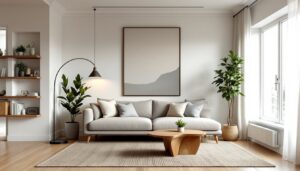
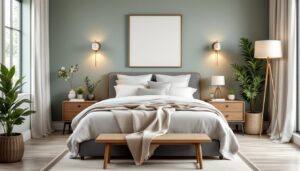
A well-furnished living room is the heart of any home, where families gather, conversations flow, and memories unfold. But crafting a space that balances comfort, style, and practicality isn’t about chasing trends: it’s about understanding what works for your lifestyle and making intentional choices. Whether you’re starting from scratch or refreshing a tired layout, the right living room furnishing ideas can transform your space into somewhere you actually want to spend time. This guide walks you through the essentials: choosing a cohesive style, selecting durable seating, lighting strategically, and organizing intelligently. By the end, you’ll have a roadmap for creating a room that feels both welcoming and genuinely livable.
Table of Contents
ToggleKey Takeaways
- Living room furnishing ideas start with establishing a clear style foundation—choose 2–3 dominant colors and a neutral base, then test materials and finishes in your actual space’s lighting before purchasing.
- Prioritize comfortable, functional seating as your living room’s backbone: an 84–90 inch sofa works for average rooms, but test seat depth (30–36 inches standard) and always measure doorways before ordering.
- Layer three types of lighting—ambient, task, and accent—using warm-white bulbs (2700K) and aiming for 1,500–3,000 lumens across multiple fixtures to create an inviting atmosphere.
- Incorporate storage solutions like wall-mounted shelves, credenzas, and baskets that match your style to eliminate clutter and keep the space intentional and organized.
- Mix at least three distinct textures (smooth, soft, rough, reflective) and arrange furniture on a to-scale floor plan to balance layout, define zones, and ensure clear traffic flow throughout the room.
Choose Your Style Foundation
Before you buy a single piece of furniture, nail down your design direction. Are you leaning minimalist, farmhouse, industrial, or eclectic? Your style foundation doesn’t mean rigidity, it means clarity. Pick two or three dominant colors plus a neutral base. If you love warm tones, lean into terracotta, burnt orange, and cream. If you prefer cool palettes, think grays, blues, and whites.
Start by gathering inspiration from real spaces, not just Pinterest. Look at how materials work together in lived-in homes. A leather sofa pairs differently with a jute rug than with a wool one. Pull paint samples, fabric swatches, and wood finishes. Hold them next to each other in your actual room’s light, morning, afternoon, and evening. Your space isn’t a studio shoot with staged lighting.
When thinking about bedroom decor ideas or lounge room decor ideas, the same logic applies: identify materials and colors first, then layer in pieces. This prevents expensive mistakes like buying a gorgeous chair that clashes with your rug once it’s home.
Select Comfortable and Functional Seating
Seating is your living room’s backbone. Most people underestimate how much time they’ll spend in their furniture, then buy based on looks alone. That sleek sofa with the tight cushions? It feels like sitting on a park bench after two hours.
Start with a primary sofa. For average living rooms (12×16 feet), a 84–90 inch sofa works well. If your room is smaller, measure your wall and leave at least 18 inches on each end for breathing room. Measure doorways and hallways before ordering, many sofas don’t fit through standard passages. Test depth: 30–36 inches is standard, but deeper seats (38–42 inches) work for lounging: shallower seats feel more formal.
Choose fabric carefully. Performance fabrics resist stains and wear better than delicate weaves, especially with kids or pets. Linen wrinkles beautifully but stains easily: leather ages well but needs occasional conditioning. Microfiber is tough but can look flat in certain light. Consider seating arrangements too: an L-shaped sectional works in large rooms: a sofa plus two chairs suits smaller spaces. Add a chair or two for flexibility. A wingback chair or accent chair near a window invites reading and breaks up symmetry. Living room decor inspo often overlooks this, varied seating heights and styles feel more curated than matching sets.
Add Lighting and Focal Points
Lighting isn’t decoration: it’s architecture. Poor lighting makes any room feel uninviting. Layer three types: ambient (overhead or flush mounts), task (reading lamps, desk lights), and accent (wall sconces, uplighting).
Start with ambient light. A single ceiling fixture often leaves corners dark and faces shadowed. Add a floor lamp in each corner or pair one with a side table next to seating. Table lamps on side tables flanking a sofa create symmetry and soften faces. Avoid bare bulbs, use warm-white bulbs (2700K) in living areas: they’re cozier than cool whites. Brightness matters: aim for 1,500–3,000 lumens for a 200-square-foot room, spread across multiple fixtures.
Next, identify your focal point. In most living rooms, it’s the TV, fireplace, or a window view. Arrange seating to face this naturally. If you don’t have a fireplace, create one visually with a statement art piece, floating shelves with styled books, or an accent wall. A modern living room layout from Dwell often features a bold piece of art or architectural detail as the visual anchor, not just furniture arrangement.
Incorporate Storage and Organization Solutions
Clutter kills style faster than bad colors. Built-in storage looks intentional and saves space compared to standalone pieces. Wall-mounted shelving above a console table works in narrow rooms. A low credenza or media console keeps electronics and media organized while anchoring the TV wall.
Choose storage pieces that match your style. Industrial rooms suit metal-frame shelves: minimal rooms need closed cabinetry: farmhouse spaces work with reclaimed wood units. Baskets under side tables or console tops hide blankets and magazines without breaking sightlines. Open shelving must be styled thoughtfully, group items in odd numbers, vary heights, and leave breathing room. Overstuffed shelves read as chaotic.
Consider small living room decorating ideas that prioritize vertical storage. Wall-mounted shelves, floating cubbies, and tall narrow cabinets maximize square footage without eating floor space. This is critical in apartments or smaller homes where every inch counts.
Layer Textures and Accessories
Texture is what makes a room feel sophisticated rather than cold or flat. Mix at least three distinct textures: smooth (leather), soft (linen, wool), rough (jute, linen weave), and reflective (metal, glass). A leather sofa + linen curtains + jute rug + a metal side table creates visual depth.
Rugs anchor seating areas and define zones. In an open floor plan, a rug under the sofa and coffee table visually separates the living room from the kitchen. Size matters: the rug should extend at least 18 inches beyond the sofa on all sides, or the front two legs of sofas should rest on it. Wool rugs are durable: jute adds warmth but stains: polypropylene is budget-friendly and washable.
Accessorize with intention. Three throw pillows in complementary colors (not a rainbow) look curated. Vary pillow sizes, pair 20-inch cushions with smaller 16-inch ones. Layer throws over armrests or the back of sofas: they add color and are functional. Plants bring life: even low-light tolerant varieties like pothos improve air quality. Limit art and mirrors to odd numbers: hang three prints, place two mirrors asymmetrically. Apartment Therapy’s bedroom decor ideas extend to living spaces too, small touches of personality without overwhelming the room signal a home, not a showroom.
Balance Layout and Space Planning
Furniture arrangement makes or breaks functionality. Start by measuring your room and drawing a to-scale floor plan. Mark doorways, windows, electrical outlets, and HVAC vents. This prevents buying a sofa that blocks an air return or placing a lamp away from outlets.
For standard rectangular rooms, place the sofa facing the focal point with a coffee table 12–18 inches in front. Pair it with a secondary seating group at a 90-degree angle if space allows. Floating furniture (pulled away from walls) defines zones and feels more intimate than pushing everything against walls. In smaller rooms, floated pieces can feel cramped, measure first.
Traffic flow matters. Create a clear path from entry to seating areas. Don’t block doorways with a chair: people should move naturally through the room without navigating around furniture. Leave at least 30 inches between furniture pieces for comfortable passage. Side tables should align with armrest height (around 24–26 inches) for balance. Step back and view the room from the entry point and from seating, does it feel balanced and inviting, or cluttered and tight?
Conclusion
Building a functional, beautiful living room comes down to thoughtful decisions repeated across categories: style, seating, lighting, storage, texture, and layout. Start with a clear vision, invest in quality pieces you’ll use daily, and layer in personality through accessories. Don’t rush, a well-furnished room evolves over time. Buy your sofa, add lighting, then live in the space before committing to accent pieces. Your room will thank you, and so will your wallet.