Room decoration is more than hanging a picture and calling it done, it’s about making a space work harder for how you actually live. Whether you’re refreshing a tired living room, tackling a cramped bedroom, or updating a kitchen that’s seen better days, thoughtful decoration bridges style and function. The best room decoration ideas balance aesthetics with practicality, considering traffic flow, natural light, storage needs, and your budget. This guide walks through room-by-room strategies that feel intentional rather than forced, with honest advice on common pitfalls and smart material choices that stand the test of time.
Table of Contents
ToggleKey Takeaways
- Room decoration balances aesthetics with practicality by considering traffic flow, natural light, storage, and budget across each space in your home.
- Anchor living room furniture to walls, layer multiple light sources (ambient, task, and accent), and introduce color through easily replaceable accessories like pillows and throws rather than permanent statement pieces.
- Bedrooms thrive as retreats with a focal-point headboard, blackout window treatments, smart vertical storage solutions, and a minimal two-to-three color palette to create calm without clutter.
- Kitchen decoration prioritizes durable, easy-to-clean finishes on countertops and backsplashes, while dining rooms can embrace softer touches with warm, dimmable lighting positioned 30–36 inches above the table.
- Paint is the highest-impact, most affordable decoration tool—test large color swatches on actual walls in different lighting before committing, and use neutral foundation colors that adapt as styles and seasons change.
- Bathroom decoration demands moisture-resistant materials like ceramic or porcelain tile with mid-tone grout, floating vanities, and sconces flanking mirrors at eye level to prevent mold and shadows while maintaining minimal decor.
Living Room and Lounge Decorating Essentials
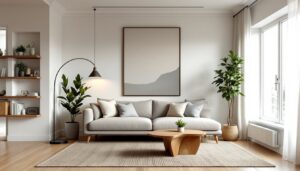
The living room sets the tone for your entire home. Start by anchoring the space with a sofa that fits both your layout and how you actually use the room, whether that’s movie nights, entertaining, or a place to unwind with a book. Living room furniture ideas should account for scale: a sectional that looked good in the showroom might dominate a modest lounge. Measure your doorways and verify delivery specs before buying.
Wall color matters more than many realize. Neutral doesn’t mean boring: warm whites, soft grays, or even muted earth tones create versatility. A single accent wall in a slightly deeper shade can add interest without overwhelming the space. Layer in texture through upholstery, area rugs, and window treatments, these absorb sound and prevent the room from feeling like a showroom.
Lighting is non-negotiable. A single overhead fixture leaves shadows and creates an unflattering, institutional feel. Mix ambient light (ceiling or wall-mounted), task lighting (reading lamps, table lamps), and accent lighting (spotlights on art, shelving). Most people need 1.5 to 2 watts of lighting per square foot of living space.
Avoiding Common Mistakes and Creating Timeless Appeal
The biggest living room decor mistake is furniture floating in the middle of the room. Anchor pieces to walls or define zones with rugs that ground seating arrangements. If your living room is narrow, avoid blocking sight lines with tall furniture: place bookcases and storage along one wall instead.
Oversized, trend-heavy pieces age fast. A bright teal velvet sofa photographs beautifully but feels dated within two years. Choose a neutral base (sofa, large case pieces) and introduce color and pattern through pillows, throws, and art, items you can easily swap. Modern home decor inspiration, and this principle keeps rooms fresh across seasons and style shifts.
Decor clutter kills breathing room. A few intentionally chosen objects, framed photos, a ceramic piece, a plant, beat a shelf packed with trinkets. Edit ruthlessly, and leave negative space: your eye needs rest.
Bedroom Design and Small Space Solutions
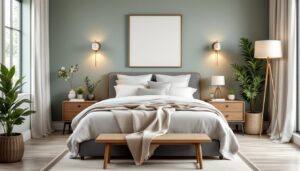
Bedrooms require a different mindset than living areas. Your bedroom should feel like a retreat, not a storage unit. Start with the bed itself, it will occupy 30–40% of visual space, so choose a frame and headboard that reflect the mood you want. A upholstered headboard adds softness and sound absorption: a wooden frame contributes warmth: a metal frame keeps things minimal and modern.
Curtains or blackout shades are not optional. Even light-blocking cellular shades help regulate temperature and support better sleep. Pair them with a softer fabric layer (linen or cotton blend) if you want daytime flexibility without a cave-like feel.
Maximizing Storage and Choosing the Right Accents
Small bedrooms demand smart storage. Under-bed drawers hold off-season clothing: floating shelves replace bulky dressers: wall-mounted nightstands free up floor area. Vertical storage is your friend in tight quarters, tall, narrow bookcases and wall cabinets pull the eye upward and create an impression of height.
Layering textiles, a quality mattress pad, fitted sheet, flat sheet, lightweight blanket, and a duvet or comforter, creates depth and comfort without visual clutter. Stick to a palette of two or three colors, then add accent pillows or a throw blanket in a complementary shade. Bedroom design often gains from a single focal point, whether that’s a statement headboard, a piece of wall art, or a view.
Accessories should be minimal and functional. A nightstand lamp, a small plant, and a framed photo beat a cluttered surface. Discovering sitting room decor ideas and bedroom accents together helps homeowners see how subtly different rooms can feel cohesive when color and material choices echo throughout the home.
Kitchen and Dining Room Style Guide
Kitchens and dining rooms combine function and aesthetics in ways that demand careful planning. The kitchen itself is a work zone: decoration here is secondary to workflow and durability. Focus on easy-to-clean finishes: sealed countertops (quartz, stainless steel, or sealed granite rather than raw wood), splash-resistant backsplash materials, and cabinet hardware that’s comfortable to grip repeatedly.
Dining rooms, by contrast, can embrace softer touches. A quality dining table sets the anchor, wood, marble, or a hybrid work best because they age gracefully and handle both everyday meals and special occasions. Pair with chairs that balance comfort and style: upholstered seats are inviting but require maintenance, while wood or metal frames are low-maintenance but less forgiving on long dinner parties.
Lighting above a dining table should be warm and dimmable, positioned 30–36 inches above the table surface. A pendant, chandelier, or linear fixture creates ambiance and definition. Kitchen islands benefit from similar overhead lighting positioned to illuminate work surfaces without shadowing.
Color in the kitchen works best on lower-traffic items: cabinet hardware, a painted island, or a feature wall that won’t show daily wear. Walls typically need semi-gloss or satin finishes to resist moisture and kitchen grime: matte finishes in dining rooms are fine because they’re less active spaces.
Decor in this zone should be minimal and purposeful. Open shelving looks great but requires careful styling: closed cabinetry hides day-to-day mess. One or two pieces of wall art above a sideboard or open wall provide visual interest without interfering with cooking or serving.
Bathroom Transformation and Tile Trends
Bathroom decoration differs fundamentally from other rooms: moisture, temperature swings, and constant cleaning demand materials that truly perform. Ceramic and porcelain tile remain the gold standard for wet areas because they’re non-porous and nearly indestructible. Larger tile formats (12×24 inches or 18×36 inches) create a cleaner look than smaller tiles and have fewer grout lines, less grout equals less mildew concern.
Grout color matters more than people expect. Dark grout (charcoal, black) shows mildew and dust: light grout (white, cream) shows dirt: mid-tone grout (gray, taupe) hides both better. Epoxy grout resists staining better than cement grout but costs more and requires more careful application.
Vanity choice sets the bathroom’s tone. A floating vanity (mounted to the wall, not sitting on the floor) makes a small bathroom feel larger and simplifies cleaning. Solid-surface or sealed wood vanity tops resist water better than laminate. Mirror placement above the vanity should reflect light and, ideally, natural light from a window if you have one.
Lighting requires both task light around the mirror and ambient overhead light. Avoid placing overhead lights directly above the sink, they create unflattering shadows. Instead, pair overhead ambient light with sconces flanking the mirror at eye level (about 48–60 inches from the floor). These provide even, shadow-free illumination for grooming.
Decoration in bathrooms is minimal because moisture and steam are constant. A single framed print, a plant on a shelf (if humidity won’t kill it), and quality towels in a coordinating color provide warmth without clutter. Ventilation fans should run during and 20 minutes after showers to prevent mold: no amount of decoration fixes poor air circulation.
Color Selection and Paint Strategies for Any Room
Paint is the cheapest, highest-impact decoration tool you have. Yet most DIYers approach it wrong: they pick a color they love in the store, bring it home, and hate it by evening because lighting changes everything. Samples cost $5–8 and save hundreds in regret. Paint large swatches (at least 2×3 feet) on your actual walls. View them at different times of day, in natural and artificial light. North-facing rooms want warmer whites (with hints of yellow or red): south-facing rooms can handle cooler tones.
Trim color is equally important. White trim feels crisp and modern: painting trim the same color as walls creates a cohesive, sophisticated look: colored trim is bold and requires confidence. Standard trim (baseboards, door frames, crown molding) should be 2–3 shades lighter than your wall color to create subtle separation without harsh contrast.
Prep work determines longevity. Fill holes and cracks with spackling compound, sand smooth when dry, wipe dust with a tack cloth, and apply primer to bare drywall or previous stains. Two coats of quality paint (eggshell or satin finish for durability) last longer than one coat of cheap paint. Budget $25–40 per gallon for mid-range interior paint: cheaper paint requires extra coats and fades faster.
Creating room decoration that, not chasing trends. Soft, versatile palettes, warm whites, soft greens, muted blues, warm grays, adapt as your furniture and accessories change. Accent colors can shift with seasons using accessories: your walls should be the stable foundation.