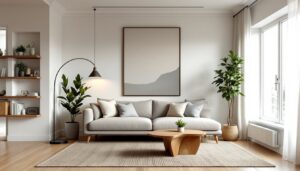
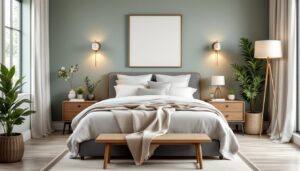
Your living room decor ideas don’t need to cost a fortune or require a complete gut renovation. Small, thoughtful interior design choices can completely shift how a space feels and functions. Whether you’re working with an awkward layout, outdated paint, or just tired furniture arrangement, this guide walks you through practical home interior ideas that work in real homes. The focus here is on decisions you can carry out yourself, from color selection to furniture placement to strategic lighting, without needing a designer’s permission or a contractor’s invoice.
Table of Contents
ToggleKey Takeaways
- Home interior ideas focus on affordable, practical changes like color selection, furniture arrangement, and lighting rather than costly renovations.
- Warm neutral tones such as sage green, terracotta, and greige are trending in 2026, replacing pure white minimalism and creating more inviting spaces.
- Pull furniture toward the center of your room to form a conversation area instead of arranging pieces around the perimeter, which feels formal and disconnected.
- Paint is the highest-impact, lowest-cost interior design update, with quality paint costing $30–$50 per gallon and covering roughly 350 square feet.
- Layer your lighting into three categories—ambient, task, and accent—and use warm white bulbs (2700K) to create an inviting, residential atmosphere.
- Incorporate mixed textures like leather, linen, wood, and knit materials to add sensory depth and sophistication without major structural changes.
Modern Color Palettes: Trending Hues That Elevate Your Interior
Color sets the mood faster than anything else in a room. In 2026, the trend moves away from pure white minimalism toward warmer, grounded tones that feel both modern and livable. Warm neutrals like sage green, terracotta, soft taupe, and greige (gray-beige hybrid) dominate current decoration home trends, often paired with deeper accent walls in forest green, charcoal, or warm black.
When selecting a palette, start by identifying your room’s natural light. North-facing rooms benefit from warmer undertones to compensate for cooler daylight: south-facing spaces can handle cooler or more saturated hues without feeling cold. Paint one sample section (at least 2 feet × 2 feet) and observe it at different times of day, morning light, afternoon sun, and evening artificial light all shift color perception.
For living room decor ideas specifically, consider a two-tone approach: a neutral base color on three walls with a deeper accent wall behind furniture or in an architectural nook. This adds dimension without overwhelming the space. If you’re renting or hesitant about commitment, removable wallpaper in trending patterns (geometric, botanical, or subtle textures) provides color impact without paint prep and primer work.
Furniture Arrangement Strategies for Maximum Comfort and Style
Most living room furniture ideas fail because people arrange pieces around the room’s perimeter, creating a disconnected, formal feeling. Instead, pull furniture toward the center of the space to form a conversation area, even in a small room, this makes the space feel intentional and cozy.
Start by identifying the room’s anchor: a fireplace, window, or TV. Orient your seating to face that focal point or toward each other, not scattered. Measure doorways, walkways, and traffic patterns before moving anything: you need at least 18 inches of clear floor space for walking safely without tripping over a coffee table leg.
Open Layouts vs. Defined Zones
Open-plan living spaces are common but tricky. Without walls, you need visual separation. A strategically placed area rug (large enough that at least the front legs of seating sit on it) anchors a furniture grouping and signals “this is the living zone.” Tall bookcases or console tables can float in the space to suggest boundaries without blocking sightlines.
In smaller rooms or defined spaces, pull furniture closer together. A compact sectional paired with a side table and one accent chair creates efficient living room furniture ideas without swallowing the square footage. Don’t leave a 4-foot gap between the sofa and the TV: that creates wasted dead space. In contrast, open layouts benefit from breathing room, clusters of furniture with clear walking paths between zones prevent the cluttered look that kills modern spaces.
Budget-Friendly Decor Updates That Make a Big Impact
The highest-impact, lowest-cost interior design change is often paint. A gallon of quality interior latex paint (Benjamin Moore, Sherwin-Williams, or Behr) covers roughly 350 square feet and costs $30–$50. Proper prep work, washing walls, patching holes with spackling compound, and sanding glossy surfaces, takes more time than painting itself but ensures a professional finish. Use a primer on darker walls before applying lighter colors (expect two coats for coverage).
Second: swap out hardware and fixtures. Cabinet knobs, door pulls, and light switch covers are visible constantly but often overlooked. Upgrading brass or chrome knobs to matte black or brushed nickel (under $3 each) shifts the entire aesthetic. Similarly, replacing outdated light fixture shades or adding new lampshades refreshes a room’s lighting character without rewiring.
Third: declutter and rearrange before buying anything new. Remove items you don’t use, donate duplicates, and store off-season items. Many people feel like their space is cramped when it’s actually just overstuffed. Once you’ve cleared surfaces and reorganized storage, you may find the room feels substantially larger without spending a dime. From there, any new pieces (throw pillows, wall art, or accent furniture) feel intentional rather than like band-aids on a cluttered foundation.
Lighting Design: The Secret to Creating Ambiance
Lighting is often the last thing homeowners think about, yet it controls mood more than any decoration home choice. Most rooms rely on a single overhead fixture, harsh, flattering to no one. Instead, layer lighting into three categories: ambient (general room brightness), task (reading, cooking, working), and accent (highlighting artwork or creating atmosphere).
Ambient lighting comes from ceiling fixtures, but supplement it with floor lamps or wall sconces. A tall floor lamp in a corner bounces light off the ceiling to soften the room’s overall brightness. Task lighting, a desk lamp, pendant over a console, or reading light beside a chair, provides focused illumination where you need it. Accent lighting, like picture lights above artwork or LED strip lighting behind floating shelves, adds depth and visual interest.
Color temperature matters. Warm white bulbs (2700K) feel inviting and residential: cool white (4000K+) suits kitchens and workspaces. If your space feels cold even though warm wall colors, the bulbs are likely too cool. Dimmers on overhead lights let you adjust brightness by time of day and mood, install a smart dimmer switch (around $25–$40) to control ambiance without changing fixtures.
Incorporating Textures and Materials for Visual Interest
A room painted one color with flat, smooth finishes feels sterile and uninviting. Texture is what makes spaces feel layered and sophisticated. Think woven throw blankets, linen or velvet upholstery, natural wood shelving, concrete accents, or woven wall hangings. These materials catch light differently and invite touch, creating sensory depth.
Start by mixing hard and soft textures. Pair a leather sofa (cool, smooth) with linen throw pillows (warm, matte) and a chunky knit blanket (organic, tactile). Wood flooring or exposed beams balance sleek metal fixtures or glass shelving. The key is variety, if everything is soft and plush, the space feels undefined: if everything is hard and reflective, it feels cold.
Wall treatment deserves attention here. Consider shiplap, board-and-batten wainscoting, or textured wallpaper to add dimensionality beyond paint. These aren’t necessarily DIY-friendly (shiplap requires cutting, fastening, and finishing), but removable peel-and-stick versions exist for renters. Resources like Homedit and Decoist showcase real examples of texture layering in modern spaces. You can also introduce texture through area rugs, jute, wool, or natural fiber rugs ground spaces and absorb sound, which is especially useful in open-plan homes. A well-placed home decor inspiration site like Homify helps you visualize how textures combine before committing to materials.
Conclusion
Transforming your home interior doesn’t require a complete overhaul or professional designer. Start with color, tackle furniture arrangement next, layer in lighting, add texture, and use budget-conscious updates to tie it together. These fundamentals work in any style, minimalist, farmhouse, mid-century modern, or eclectic, because they’re based on how humans actually experience space. Measure twice, commit to prep work, and trust your instincts about what feels right in your home.