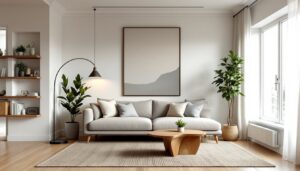
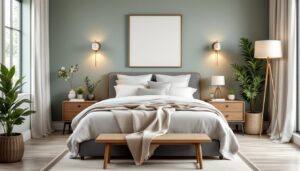
Living decor ideas go beyond static furniture and paint colors, they’re about bringing movement, growth, and natural elements into your home. Whether you’re working with a small apartment or a sprawling house, thoughtful living decor ideas can breathe fresh energy into any room without requiring a major renovation. The key is layering plants, water features, natural light, and sustainable materials to create spaces that feel alive and inviting. This guide walks you through practical strategies to transform your living area decor ideas from ordinary to something that genuinely reflects your style and lifestyle.
Table of Contents
ToggleKey Takeaways
- Living decor ideas blend plants, water features, natural light, and sustainable materials to create spaces that feel alive and reflect your personal style.
- Start with low-maintenance plants like ZZ, pothos, and snake plants on shelves and stands, then progress to feature living walls once you’re comfortable with basic plant care.
- Use natural light strategically—place sun-loving plants in bright south or west windows and install LED grow panels in low-light areas to keep plants healthy and add visual drama.
- Repurpose reclaimed and secondhand materials like glass jars, thrifted terracotta pots, and wooden crates as plant containers to reduce waste and keep your living decor budget-friendly.
- Combine plants with small water features and natural materials like wood or brick to create depth, texture, and a cohesive design that works even in small apartments.
- Layer your living room theme ideas intentionally by grouping humidity-loving plants near water features, using vertical displays, and integrating outdoor elements to transform ordinary spaces into vibrant, restful environments.
Incorporate Indoor Plants and Living Walls
Start Small With Potted Plants and Plant Stands
If you’re new to living decor, begin with low-maintenance plants placed on bookcases, side tables, plant stands, or window ledges. Think ZZ plant, philodendron, snake plant, pothos, or spider plant, these tolerate irregular watering and variable light conditions. Group plants at different heights to build visual interest without crowding. A tall plant on a floor stand, a trailing specimen on a shelf, and a compact one on an end table create natural visual rhythm.
Plant stands serve a dual purpose: they raise plants to eye level (improving the design impact) and prevent your furniture from water damage. Tiered stands let you fit multiple specimens in tight quarters, making them ideal for small apartments or reading nooks where space is precious.
Create a Feature Living Wall for Maximum Impact
Once you’re comfortable with basic plant care, consider a feature living wall, a statement piece that anchors an entire room. Start by installing multiple shelves on one wall and filling them with plants of varying heights and textures. Place low-light species (ferns, pothos) higher up and light-hungry plants closer to windows.
Alternatively, use modular wall planters or pocket systems for denser coverage. These fabric or felt pockets mount directly to drywall and hold lightweight soil and plants. Before installing, ensure the wall can handle the weight (when soil and plants are wet, a living wall gets heavy) and plan for adequate drainage. Add a waterproof backing or tray behind pocket systems to protect your wall and flooring.
Vining plants like Rhaphidophora tetrasperma (mini monstera) thrive on indoor trellises, climbing and creating a lush green backdrop. This approach delivers the visual impact of a living wall without requiring permanent structural changes or complex irrigation.
Add Natural Light and Water Features
Lighting is non-negotiable for healthy plants and visual drama. Position plants where light levels match their native conditions, bright south or west windows for sun lovers, interior spots or north-facing areas for shade-tolerant species. If your living room gets minimal natural light, a few LED grow panels mounted above shelves can keep plants thriving while providing warm accent lighting.
Combine plants with small indoor fountains or water bowls to increase humidity, especially around ferns, calathea, and orchids. A simple tabletop fountain ($30–80) adds moving water, gentle sound, and visual interest without major installation. Place it near a humidity-loving plant cluster to create a micro-ecosystem feel. The water evaporation benefits plants while the ambient sound masks household noise, a practical bonus for busy homes.
Natural light also reveals plant textures and shadows, adding depth to your living room theme ideas. East-facing windows offer gentle morning light, perfect for delicate houseplants, while west-facing exposure brings dramatic afternoon glow that highlights foliage.
Use Sustainable and Reclaimed Materials
Sustainable living decor means repurposing what you already have. Glass jars, spice containers, and even old fish bowls become terrariums or propagation vessels for rooting cuttings. Terrariums are closed-system ecosystems, low-maintenance, visually striking, and perfect for small spaces. Fill a clear glass vessel with pebbles, activated charcoal, potting soil, and small moisture-loving plants like fittonia or peperomia, seal it, and you’ve got a self-watering mini garden.
Repurpose vintage candle holders or decorative trays as plant stands if they have a sealed base to catch water runoff. An old wooden crate becomes a tiered planter display. Thrifted terracotta pots, painted or left natural, cost less than new ones and carry character. Reclaimed wood shelving provides a rustic backdrop for living room furnishing ideas that prioritize texture and warmth over sterile modern minimalism.
This approach aligns with current interior design trends while reducing landfill waste and keeping your living area decor ideas budget-friendly. Sourcing secondhand containers also means less plastic packaging and transport emissions.
Integrate Outdoor Elements Into Indoor Spaces
Blur the line between indoor and outdoor by treating certain rooms like garden or spa spaces. Bathrooms, in particular, thrive with humidity-loving plants (orchids, ferns, begonias) clustered near the shower. The warm, moist air from daily showers creates a tropical microclimate, no grow lights needed.
Reading nooks and quiet corners benefit from trailing plants draped over shelves and windowsills. Pothos and string of pearls create soft, organic movement that softens hard-edged furniture. According to modern home design resources, layering natural elements like plants with texture-rich materials creates spaces that feel intentional and restful.
Use wood feature walls, shiplap, or faux brick as backdrops to highlight your plant displays. The warmth of natural wood or the rustic feel of exposed brick contrasts beautifully with green foliage, making your living room theme ideas pop without additional decor clutter. This layering approach, plants + natural materials + good lighting, creates depth and visual narrative.
Research on decorating with houseplants shows that statement plants paired with complementary materials elevate perceived design quality. Small-space dwellers can carry out these ideas in apartments and compact homes, proving that size doesn’t limit your ability to create a vibrant, living space.
Conclusion
Living decor ideas work best when you start small and layer intentionally. Begin with easy-care plants and stable placement, then gradually add water features, vertical displays, and reclaimed materials as your confidence grows. The goal isn’t a perfectly styled Instagram feed, it’s a home that feels alive, reflects your effort, and genuinely improves how you experience your space. Choose plants suited to your light and lifestyle, repurpose what you have, and let the space evolve.