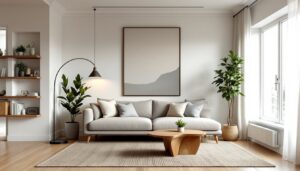
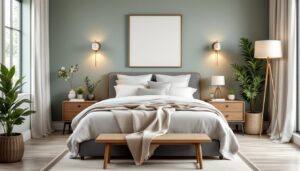
A well-decorated living room starts with the right accessories. Whether you’re refreshing a tired space or building a room from scratch, living room accessories ideas focus on balancing comfort, function, and visual interest. The difference between a bare room and an inviting one often comes down to thoughtful additions, lighting, textiles, wall décor, and accent pieces that work together. This guide walks you through the most practical and impactful accessories to consider, with actionable advice on styling, placement, and selection. You don’t need a massive budget or a design degree to create a space where people actually want to sit and relax.
Table of Contents
ToggleKey Takeaways
- Layered lighting with floor lamps, table lamps, and accent lighting is essential for living room accessories ideas—it sets mood, functionality, and makes other décor elements shine.
- Mix throw pillows and blankets in varied materials and patterns (3–5 per seating area) to add color and texture without commitment, allowing seasonal updates.
- Large mirrors and gallery walls transform blank surfaces into inviting focal points while making spaces feel bigger and brighter when positioned strategically.
- Smart storage solutions like floating shelves, woven baskets, and ottomans combine function with beauty, keeping clutter minimal while adding visual interest.
- Incorporate real or faux plants alongside natural materials like wood and ceramic to create a grounded, welcoming atmosphere that feels timeless.
- Style your coffee table with odd-numbered items at varying heights and a tray base to create a curated look that anchors the entire room.
Lighting Fixtures That Define Your Space
Lighting is the foundation of good living room design, it affects mood, functionality, and how your other accessories look. Most living rooms need layered lighting: ambient light from overhead or wall sources, task lighting for reading or working, and accent lighting to highlight specific areas.
Floor lamps and table lamps add height and flexibility. A tall arc floor lamp works well beside a sofa for reading, while matching table lamps on side tables create symmetry and balance. These fixtures serve double duty: they provide practical illumination and become visual anchors in the room.
For accent lighting, consider picture lights mounted above wall art, or track lighting if you’re highlighting a gallery wall or mantel. Candles and lanterns add warmth without requiring electricity, they’re ideal for creating a relaxed atmosphere during evening hours. Dimmer switches on overhead fixtures let you adjust brightness for different times of day and activities.
Studies on living room lighting design ideas show that mixing fixture styles, matte black metal, warm brass, frosted glass, creates visual interest while maintaining cohesion. Avoid relying on a single overhead light: it flattens the room and limits your control over ambiance. The goal is flexibility: you should be able to brighten the space during the day and dial it down for evening comfort.
Textiles and Soft Furnishings for Comfort
Throw pillows and blankets are the easiest way to add color, texture, and personality to your living room without commitment. Unlike paint or furniture, you can swap them seasonally or when you want a quick refresh.
When selecting pillows, mix materials and patterns, combine a linen pillow with a wool throw pillow and a woven jute accent for depth. Aim for 3 to 5 pillows per seating area: too many look cluttered, too few look bare. Layer different heights: a 20-inch square pillow as the base, an 18-inch pillow in the middle, and a 12-inch lumbar pillow in front creates a composed, finished look.
Throws serve both function and aesthetics. Drape a chunky knit blanket over the arm of a sofa or fold it across the back of a chair. This signals comfort to visitors and provides warmth during cooler months. Natural fibers like cotton, wool, and linen age well and feel substantial: synthetic options are often cheaper but may pill or fade faster.
Color coordination matters. If your sofa is neutral (gray, beige, or cream), textiles give you permission to experiment. Stick to a cohesive palette, say, warm neutrals with pops of deep blue and rust, rather than random colors. This restraint makes the space feel intentional and designer-curated, even on a budget.
Wall Décor and Art Displays
Wall art transforms blank surfaces into conversation starters. Large mirrors, framed prints, and gallery walls are living room staples for good reason: they make spaces feel bigger, brighter, and more complete.
Mirrors are functional and decorative. A large mirror opposite a window bounces natural light around the room and reflects the view beyond, making the space feel more spacious. Position it where it catches light naturally, not directly across a dark wall. Ornate frames add elegance: simple metal or wood frames suit modern and transitional styles.
Gallery walls organize multiple pieces into a cohesive display. Plan your layout on the floor first, then use painter’s tape to outline the arrangement on the wall before hanging anything. Keep pieces at eye level, roughly 57 to 60 inches from the floor to the center of the grouping. Mix framed art, photographs, and smaller mirrors for visual interest, but stick to a consistent frame style (all black, all natural wood, or a mix of two) to avoid chaos.
For living room lighting and art, reference accent lighting design that highlights your wall displays. Picture lights or dedicated spotlights draw attention to your best pieces while adding another layer of illumination. Minimalist, coordinated frames, think simple black or white mats with consistent spacing, keep the visual weight manageable and let the artwork shine.
Storage Solutions That Look Good
Storage doesn’t have to be hidden or utilitarian. Smart storage accessories combine function with beauty, reducing clutter while adding visual interest.
Floating shelves display decorative items while clearing floor space. Install them at varying heights to avoid monotony, and style them with a mix of objects: a stack of books, a small planter, a framed photo, and a decorative bowl. Leave negative space, don’t cram every inch, so the shelves feel intentional rather than haphazard.
Baskets tuck neatly under console tables or beside sofas to corral throws, remotes, and magazines. Choose woven baskets in natural fibers (seagrass, jute, rattan) that warm up a space, or opt for woven storage in neutral colors like cream and gray. Sizes matter: a large basket holds blankets, while smaller ones manage accessories.
Ottomans and storage benches serve double duty as seating and storage. A fabric storage ottoman at the foot of a sofa or in a corner adds function and comfort. Sideboards and consoles are traditional living room anchors, style the top with a mirror, lamps, and accessories, and use drawers and shelves below for less visible storage. Decorative trays corral remotes, candles, and small items on coffee tables and shelves, keeping the space organized without looking sterile.
Plants and Natural Elements
Living room ideas that incorporate greenery feel fresher and more welcoming. Real or faux plants add texture, color, and life to static spaces.
Live plants require care but reward you with genuine growth and vitality. Pothos, snake plants, and rubber plants tolerate lower light and infrequent watering, realistic for busy homes. Place them on shelves, in corners, or on console tables where they’re visible but not underfoot. Group smaller plants together to create a mini garden effect: this works better visually than scattering single plants around the room.
Faux greenery has improved dramatically in recent years. High-quality silk plants and branches now look convincing, especially when grouped with other accessories. Use faux options if you lack natural light, travel frequently, or have pets and children who might damage delicate foliage. Mix real and faux for a fuller, lower-maintenance approach.
Natural materials extend beyond plants. Wood shelving, stone accents, and ceramic vessels bring warmth and earthiness. A reclaimed wood console table or shelves made from natural materials anchor a room and pair beautifully with textiles and greenery. Stone coasters, wooden bowls, and ceramic planters repeat these natural textures throughout the space, creating cohesion. This approach feels grounded and timeless, the opposite of trendy or temporary.
Accent Pieces and Coffee Table Styling
Coffee tables are the natural focal point of a living room. Styling them thoughtfully makes the entire space feel considered and curated.
Start with a coffee table tray, a rectangular wooden, marble, or metal tray that anchors the display. Group items on it: a stack of coffee table books, a small sculptural object, a candle, and a decorative bowl. Odd numbers (3 or 5 items) feel more natural than even groupings. Vary heights, a tall candle next to a flat book next to a small sculpture, so the eye moves around rather than settling on a flat landscape.
Common accent pieces include decorative books on art, design, or travel, these add color and serve as conversation starters. Sculptures, bowls, and vases introduce shape and texture. A small brass or ceramic vessel catches light and breaks up visual weight. Candles in varying heights (pillar, jar, or taper in a holder) introduce fragrance and warmth without requiring electricity.
For living room lighting and accent pieces, layered illumination from 20 best living room lighting ideas shows how to highlight styled surfaces. A table lamp beside the sofa illuminates the coffee table arrangement, drawing attention to your carefully selected pieces. The key is restraint: a well-styled coffee table has breathing room, not visual clutter. Each item earns its place because it adds beauty, function, or conversation value.
Conclusion
Living room accessories ideas succeed when they balance comfort, function, and beauty. Lighting sets the mood, textiles add softness and color, wall décor makes spaces feel complete, and thoughtfully styled storage keeps clutter at bay. Plants and accent pieces bring personality and warmth. Start with one or two categories, perhaps lighting and textiles, then build from there. The best rooms evolve over time as you discover what works for your lifestyle and taste.